


Are you struggling with sprint and agile planning? You are not alone. Approximately 50% of agile teams struggle with sprint and agile planning. Sprint and agile planning relied on manual effort before the emergence of AI. Agile teams are getting smart; they are using AI. It is revolutionising the way development teams approach sprint and agile planning and estimation. The current article talks about the importance of using AI in sprint and agile planning.
- Importance of AI in Agile and Sprint Planning
- How can AI transform Agile and Sprint Planning?
- Backlog Prioritisation
- Improved Sprint Planning
- Automated Backlog Refinement
- Identify team Capacity and Risks early
- Stimulate Sprint Scenarios
- Identify Incomplete Requirements
- Retrospective Inputs before Planning
- Conclusion
- FAQs
- 1. How is AI used in agile and sprint planning?
- 2. Can AI replace Scrum Masters or Product Owners?
- 3. What are the benefits of using AI in sprint planning?
- 4. Which AI tools are commonly used for agile project management?
- 5. Does AI improve backlog prioritisation?
- 6. What are the limitations of AI in agile planning?
Importance of AI in Agile and Sprint Planning
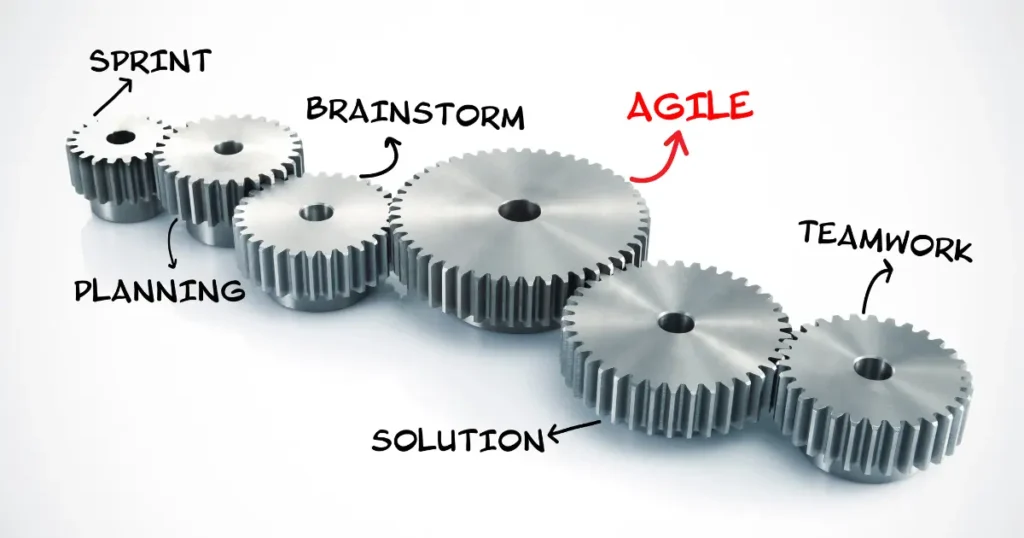
By using AI in planning, the team can now gain data-driven insights that are not possible in the traditional process. The use of AI in sprint and agile planning is not an overnight transformation. AI also enhances decision-making by providing data-driven insights and automating repetitive tasks. The teams that are using AI in their sprint planning could witness faster release cycles as these AI tools could cut down planning time and allow teams to do their best. The leaders who Enroll in PSM Certification Today can gain more knowledge about sprint planning using AI tools.
How can AI transform Agile and Sprint Planning?
Backlog Prioritisation
Backlog prioritisation exists until product development is active. It keeps changing as per business priorities and customer needs. Leaders invest long hours prioritising the features because there is strong conflict between stakeholder requirements and technical dependencies. The emergence of AI tools has now simplified the process of product backlog prioritisation in real time. AI-powered product backlog prioritisation considers different factors like customer value, business impact, technical effort needed, and the risk involved. AI prioritises the product backlog after gaining data-driven insights about all these factors. By leveraging AI technology, the product backlogs are prioritised automatically as per market trends.
Improved Sprint Planning
Sprint planning is all about selecting the product backlog based on the team’s capacity and balancing workloads. AI is transforming the way of sprint planning in the organisation. The AI tools will spot data patterns and identify issues before they cause delays. AI tools are empowered with data visualisation systems that can transform complex information into easy graphical representations. The tools can help leaders estimate the time required to complete tasks and set realistic sprint goals. These tools also help the leaders assess team availability and workload distribution so that they can allocate tasks to the teams effectively during sprint planning.
Automated Backlog Refinement
The backlog refinement in the organisation turns complex as the product grows. The leaders who handle product backlog refinement have to handle many things at once. AI tools like ChatGPT can help the product owners convert requirements into well-structured user stories. The tools will analyse customer data from different sources and identify common issues and features and requests. AI helps the product owner refine product backlogs by evaluating customer needs and data. By using AI in product backlog refinement, the product owners can make informed decisions. Tools like linear AI will help the product owner in sprint planning and product backlog reorganisation.
Identify team Capacity and Risks early
AI does not get directly involved in the sprint planning. It helps you analyse the team capacity based on their speed, leave, and workload. The tools will help the leaders know if the sprint is overloaded. The tools also help the leaders know if the tasks in the sprint spill over. The leaders using AI tools in identifying a team’s capacity will also know about effective strategies to balance the workloads and hint about the bottlenecks, if any. By using the AI tools, the leaders can make realistic commitments about sprint goals.
Stimulate Sprint Scenarios
Agile product development is prone to change. When the product owner incorporates change in mid-sprint, the scrum master may not predict the outcome. AI simulators will show different sprint outcomes even before commitment by analysing completion probability based on past behavior. They will also help the scrum master know the risk of spillover if the sprint is not completed on time. By using AI tools in sprint planning, the scrum master can balance things in sprint planning.
Identify Incomplete Requirements
NLP models help the scrum master scan backlogs and know if there are any missing acceptance criteria, vague descriptions, or inconsistent terminology. The data ensures that everything defined in the sprint is clear. Plugins like Jira help the leaders review tickets during sprint planning.
Retrospective Inputs before Planning
Sprint and agile planning are not guesswork. The leaders need to be prepared well before sprint planning. AI tools can analyse sprint burndown charts, blocker trends, and cycle times before sprint planning. The data will help the teams take corrective actions during planning.
Conclusion
The aim of incorporating AI tools in sprint and agile planning is not to automate everything. These tools help the teams automate repetitive tasks during planning. They can save more time and stay focused on collaborating and delivering better results.

Sandeep Kumar is the Founder & CEO of Aitude, a leading AI tools, research, and tutorial platform dedicated to empowering learners, researchers, and innovators. Under his leadership, Aitude has become a go-to resource for those seeking the latest in artificial intelligence, machine learning, computer vision, and development strategies.