Imagine recording your voice once and then using it to narrate videos, explain products, read articles, or deliver presentations without recording every sentence yourself. This is becoming possible with AI voice cloning.
- What Is AI Voice Cloning?
- How Does AI Voice Cloning Work?
- 1. Collecting Voice Samples
- 2. Analyzing Vocal Characteristics
- 3. Training or Adapting the AI Model
- 4. Generating New Speech
- 5. Reviewing and Improving the Output
- Types of AI Voice Cloning
- Popular AI Voice Cloning Tools
- Practical Uses of AI Voice Cloning
- 1. Video Content Creation
- 2. Audiobooks and Digital Publishing
- 3. E-Learning and Online Courses
- 4. Marketing and Advertising
- 5. Accessibility
- 6. Customer Support and Virtual Assistants
- Benefits of AI Voice Cloning
- Risks and Challenges of Voice Cloning
- Unauthorized Voice Use
- Voice-Based Scams
- Privacy and Data Security
- Imperfect Voice Similarity
- Legal and Ethical Questions
- Best Practices for Using Voice Cloning Responsibly
- The Future of AI Voice Cloning
- Conclusion
- Frequently Asked Questions About AI Voice Cloning
Voice cloning uses artificial intelligence to create a synthetic version of a person’s voice from audio samples. Instead of relying on a standard computer-generated voice, the technology learns the speaker’s vocal characteristics and uses them to produce new speech.
The technology is attracting attention from content creators, businesses, educators, developers, and media companies. It can make audio production faster and help people maintain a consistent voice across different platforms. However, it also raises important questions about consent, privacy, and misuse.
This guide explains how AI voice cloning works, where it is useful, what its limitations are, and how to use it responsibly.
What Is AI Voice Cloning?
AI voice cloning is the process of creating an artificial voice that resembles a specific person’s voice. The system analyzes audio recordings to learn characteristics such as pitch, tone, accent, pronunciation, speaking speed, and vocal rhythm.
After processing the samples, the AI model can generate new speech using the learned voice characteristics. The generated audio can contain words that the original speaker never recorded.
For example, a business owner could create an authorized clone of their own voice and use it to narrate product tutorials. If the company updates a tutorial, it may generate the revised narration without arranging another recording session.
Voice cloning is closely related to text-to-speech technology, but the two are not identical. Traditional text-to-speech systems convert written content into speech using available synthetic voices. Voice cloning aims to make that speech resemble a particular speaker.
How Does AI Voice Cloning Work?
Voice cloning involves several technical steps. The exact process varies between platforms, but most systems follow a similar workflow.
1. Collecting Voice Samples
The process begins with audio recordings of the person whose voice will be cloned. The recordings provide examples of how that person speaks.
The quality of these samples matters. Clear recordings with minimal background noise, echo, or overlapping conversations generally produce better results.
Some tools can create a basic clone from a short sample, while more advanced approaches may require longer recordings.
2. Analyzing Vocal Characteristics
The AI system processes the recordings to identify patterns in the speaker’s voice. These can include:
- Pitch and vocal range
- Tone and voice texture
- Accent and pronunciation
- Speaking speed and rhythm
- Pauses and intonation
- Individual speech patterns
The model uses these characteristics to create a representation of the target voice.
3. Training or Adapting the AI Model
The platform uses the analyzed audio to condition or adapt its speech-generation model. Some systems use a short recording to produce a quick voice match. Others use more audio and additional training to create a more consistent result.
The approach depends on the tool. A short-sample clone is usually faster to create, while a more extensively trained model may capture the speaker’s vocal characteristics more accurately.
4. Generating New Speech
Once the voice model is ready, users can provide text or, depending on the platform, other speech-generation instructions.
The AI generates audio that follows the supplied text while attempting to reproduce the cloned voice’s characteristics.
5. Reviewing and Improving the Output
The generated recording should be reviewed before publication. Listen for incorrect pronunciation, unnatural pauses, changes in accent, or robotic-sounding sections.
Editing the text, improving the source recordings, or adjusting the available voice settings may improve the final result.
Types of AI Voice Cloning
Voice cloning tools generally offer different approaches based on the amount of audio required and the quality of the expected output.
Instant Voice Cloning
Instant voice cloning creates a voice replica using a relatively short audio sample. It is designed for users who want to test or create a voice quickly.
This approach can be useful for personal projects, short videos, and basic narration. However, results may vary depending on the recording quality, accent, and uniqueness of the speaker’s voice.
Professional Voice Cloning
Professional voice cloning uses a larger collection of recordings and a more extensive model-training process. It aims to capture the speaker’s voice more consistently.
This approach can be suitable for regular content production, business narration, and projects where voice consistency matters. It usually requires more preparation and processing time than instant cloning.
The terms used for these approaches vary by provider, so check each platform’s documentation before choosing a service.
Popular AI Voice Cloning Tools
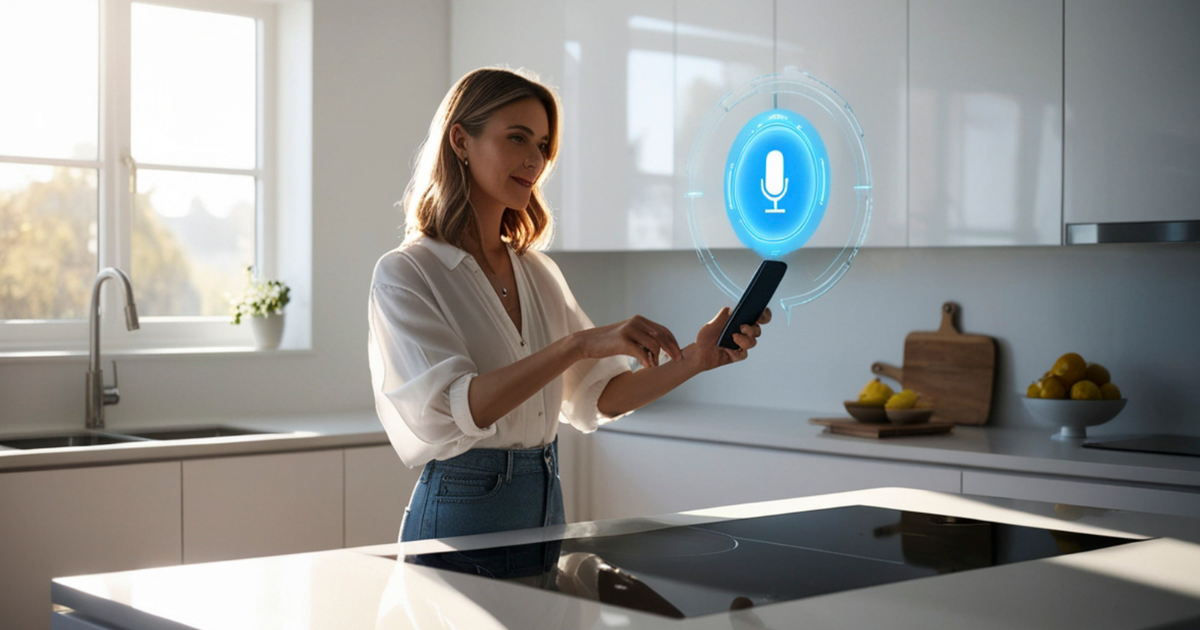
Several platforms offer voice cloning or custom voice-generation features. Their capabilities, pricing, language support, and consent requirements differ.
1. ElevenLabs
ElevenLabs offers AI speech generation and voice cloning features. Its documentation describes Instant Voice Cloning and Professional Voice Cloning, which serve different needs depending on the amount of audio and the level of voice customization required.
It can be considered by creators and businesses producing narration, audiobooks, videos, and other audio content. Users should review its voice verification requirements and usage policies before creating a clone.
2. Resemble AI
Resemble AI is a platform associated with synthetic voice generation and voice cloning. It is worth evaluating for projects that need custom AI voices and integration into production workflows.
Before choosing it, review the available voice-generation features, supported languages, integration options, and consent safeguards for your intended use.
3. PlayHT
PlayHT provides AI voice-generation capabilities, including voice cloning features. It may be useful for content creators and businesses that want to produce spoken versions of written material.
Its acceptable-use policy requires users to clone only their own voices or voices for which they have explicit, documented written consent. Always check the current terms before using a voice commercially.
4. Descript
Descript combines audio and video editing with AI-powered features. Its voice-related tools can help creators work with narration and spoken content as part of an editing workflow.
It may be worth considering when voice generation is only one part of a larger podcast, video, or content-editing process. Check the current availability and requirements of its voice features.
5. Microsoft Azure AI Speech
Microsoft Azure AI Speech offers speech services for developers and organizations. Its custom voice capabilities are designed for specific use cases and may involve eligibility, access, and responsible-use requirements.
It is worth evaluating for businesses that need speech technology within software applications or enterprise systems. Review Microsoft’s current requirements before planning a custom voice project.
Practical Uses of AI Voice Cloning
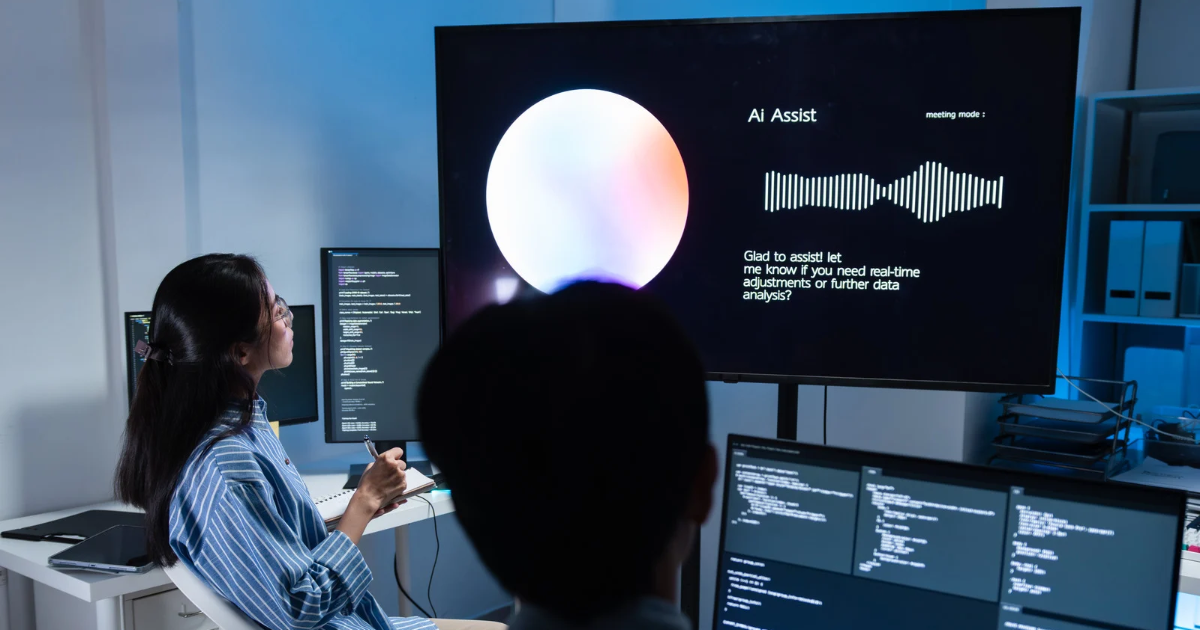
Voice cloning is useful in situations where a consistent voice is needed across multiple recordings. Here are some examples.
1. Video Content Creation
YouTubers and video creators can use an authorized clone of their own voice to produce narration for tutorials, explainers, and educational videos.
If a script changes, they may be able to generate the revised lines without recording the entire video again. This can reduce repetitive recording work.
2. Audiobooks and Digital Publishing
Authors and publishers can explore voice cloning for audiobook production and other spoken content.
For example, an author who owns the rights to their recorded voice may use an authorized clone to create narration for new material. Human review remains important because generated speech can mispronounce names, place-specific terms, or unfamiliar words.
3. E-Learning and Online Courses
Educators and training teams often need to update lessons as information changes. An authorized voice clone can help maintain a consistent narration style across revised course materials.
It can also support the production of audio versions of learning resources, subject to the relevant voice and content permissions.
4. Marketing and Advertising
Businesses can use approved synthetic voices for product explainers, promotional videos, and internal presentations.
A consistent voice can help maintain a recognizable audio identity across campaigns. However, brands should obtain permission from voice talent and confirm that the license covers the intended commercial use.
5. Accessibility
Voice technology can help make written information available in audio form. People who prefer listening to reading may benefit from spoken versions of articles, instructions, and learning materials.
Voice cloning can also support individuals who want to preserve aspects of their own voice for future communication. Such applications should be handled with appropriate consent and privacy protections.
6. Customer Support and Virtual Assistants
Businesses can explore authorized custom voices for virtual assistants, automated announcements, and customer-service applications.
A familiar and consistent voice may create a more recognizable experience. However, users should be able to understand when they are interacting with an AI-generated voice rather than a human representative.
Benefits of AI Voice Cloning
AI voice cloning offers several practical advantages when used with permission and proper review.
- Consistent narration: A cloned voice can help maintain a similar sound across videos, lessons, and presentations.
- Faster content updates: Teams can generate revised audio without arranging a complete new recording session.
- Scalable production: Businesses can produce more audio content without recording every version manually.
- Flexible content creation: The same authorized voice may be used across different formats and communication channels.
- Potential accessibility support: Synthetic speech can make written information easier to consume for people who prefer audio.
- Reduced recording effort: Creators can save time on repetitive narration tasks, although editing and quality checks are still necessary.
These benefits depend on the quality of the voice model, the intended application, and the permissions attached to the source recordings.
Risks and Challenges of Voice Cloning
The technology also introduces risks that individuals and organizations should understand before adopting it.
Unauthorized Voice Use
Someone could attempt to clone another person’s voice using recordings shared online. Using a person’s voice without permission can violate their rights, platform policies, or applicable laws.
Always obtain clear authorization before creating or distributing a voice clone.
Voice-Based Scams
Criminals can use synthetic audio to imitate someone and make fraudulent requests. For example, a fake voice message could appear to come from a manager or family member asking for an urgent payment.
Organizations should never rely on voice recognition alone to approve financial transactions or sensitive requests. Use independent verification methods, such as a known callback number or an established approval process.
Privacy and Data Security
Voice recordings may contain personal information. Uploading them to an online platform means users should understand how the provider stores, processes, and protects the audio.
Review privacy policies, data retention settings, deletion options, and access controls before uploading recordings.
Imperfect Voice Similarity
A cloned voice does not always sound exactly like the original speaker. It may struggle with unusual words, emotional delivery, regional accents, or changes in speaking style.
Testing the output with real scripts is important before using it in public-facing content.
Legal and Ethical Questions
Voice cloning rules can differ between countries and use cases. Permission to record a person’s voice does not automatically mean permission to create a synthetic replica or use it in advertising.
Businesses should document consent, define permitted uses, and seek legal advice when a project involves commercial rights, public figures, or sensitive applications.
Best Practices for Using Voice Cloning Responsibly
A responsible voice-cloning workflow should protect the person whose voice is being used and the audience hearing the generated audio.
- Use your own voice or obtain explicit permission. Do not assume that publicly available recordings are free to clone.
- Explain the intended use. Tell the voice owner whether the clone will be used for videos, advertisements, customer support, or other purposes.
- Keep consent records. Document the permission granted, including any commercial use, distribution limits, and duration.
- Choose a trustworthy provider. Review its privacy policy, security controls, voice verification process, and acceptable-use rules.
- Protect the original recordings. Limit access to audio samples and remove files that are no longer needed, where the provider allows it.
- Review generated speech. Check pronunciation, context, accuracy, and tone before publishing.
- Be transparent with audiences. Disclose AI-generated speech when it could otherwise mislead listeners.
These steps help reduce misuse and make voice cloning more suitable for professional applications.
The Future of AI Voice Cloning
Voice cloning is becoming part of a wider shift in AI-generated media. As speech models improve, creators and businesses may gain more control over pronunciation, language support, speaking styles, and real-time voice generation.
One promising area is multilingual content. A creator may want to reach audiences in several languages while maintaining a recognizable voice identity. The quality of this experience will depend on the model’s language support and how well it handles the speaker’s accent and pronunciation.
Another area is interactive software. Custom voices could become part of virtual assistants, learning applications, and customer-service systems. These applications will need clear disclosure, strong access controls, and safeguards against impersonation.
The future of the technology will depend not only on how realistic generated voices become, but also on how providers, businesses, and users protect the people behind those voices.
Conclusion
AI voice cloning is changing how people create and distribute audio content. It can help creators produce narration, allow businesses to maintain consistent communication, and make written information available in spoken form.
However, realistic synthetic speech also creates risks involving impersonation, privacy, and unauthorized use. Choosing a reliable platform is only one part of responsible adoption. Users must also obtain permission, protect recordings, review generated audio, and be transparent about synthetic speech.
When used responsibly, AI voice cloning can become a useful addition to modern content production and communication workflows.
Frequently Asked Questions About AI Voice Cloning
1. What is AI voice cloning?
AI voice cloning is a technology that analyzes audio recordings and creates a synthetic voice resembling the original speaker. It can then generate new speech using that voice model.
2. How much audio is needed to clone a voice?
The required audio depends on the platform and cloning method. Some tools can create a basic clone from a short, clear recording, while professional voice models may require considerably more audio. Always follow the provider’s recording guidelines.
3. Is AI voice cloning the same as text-to-speech?
No. Text-to-speech converts written text into spoken audio using a synthetic voice. Voice cloning attempts to reproduce the characteristics of a particular speaker. Some platforms combine both technologies.
4. Can I clone my own voice?
Yes. Many voice-cloning platforms provide features for creating a synthetic version of your own voice. You may need to complete a verification process and meet the provider’s recording requirements.
5. Is AI voice cloning safe?
It can be used safely when users have permission to clone the voice, select a trustworthy provider, and protect their recordings. Risks arise when people use the technology for impersonation, fraud, or unauthorized distribution.
6. Can AI voice cloning speak different languages?
Some platforms support multilingual voice generation. However, results depend on the model, the languages supported, and the original voice recordings. Test pronunciation and accent quality before publishing multilingual audio.
7. Can businesses use cloned voices commercially?
Businesses may be able to use cloned voices commercially when they have the necessary permissions and comply with the provider’s terms and applicable laws. The license should clearly cover the intended commercial application.

Sandeep Kumar is the Founder & CEO of Aitude, a leading AI tools, research, and tutorial platform dedicated to empowering learners, researchers, and innovators. Under his leadership, Aitude has become a go-to resource for those seeking the latest in artificial intelligence, machine learning, computer vision, and development strategies.