A small marketing team can spend an afternoon polishing a product video, then approve the music in thirty seconds. That is a strange imbalance. The soundtrack affects whether viewers understand a demonstration, hear the offer, or simply scroll away. It deserves a better review process, even when nobody on the team is a trained audio editor. Text-driven music services such as AI Song give teams a way to explore suitable tracks, but generation is only the beginning. Before a video goes live, try a focused fifteen-second listening test that checks what the music is actually doing to the message.
Why a Good Track Can Still Be Wrong for the Video
Imagine a local repair business making a short video about restoring a damaged laptop. The footage shows careful cleaning, a replacement part, and the device turning on again. The team chooses energetic dance music because it sounds modern. Unfortunately, the strongest beat lands during the spoken explanation of the repair.
The track may sound good by itself. Paired with the video, it creates confusion. Viewers pay attention to the rhythm instead of understanding the service. This is an editing problem rather than a problem with the music’s artistic quality.
The fix begins with defining the video’s main job. Does it need to explain a process, reveal a transformation, encourage registration, or show a brand’s personality? Write that job at the top of the editing brief. Every audio decision should support it.
Make Three Listening Versions Before Choosing One
Traditional video production may involve searching music libraries, contacting creators, or commissioning an original piece. Those approaches remain useful, particularly when a project requires exact timing or a distinctive performance. Generative tools can help with an earlier stage: exploring possible directions before committing to a final track.
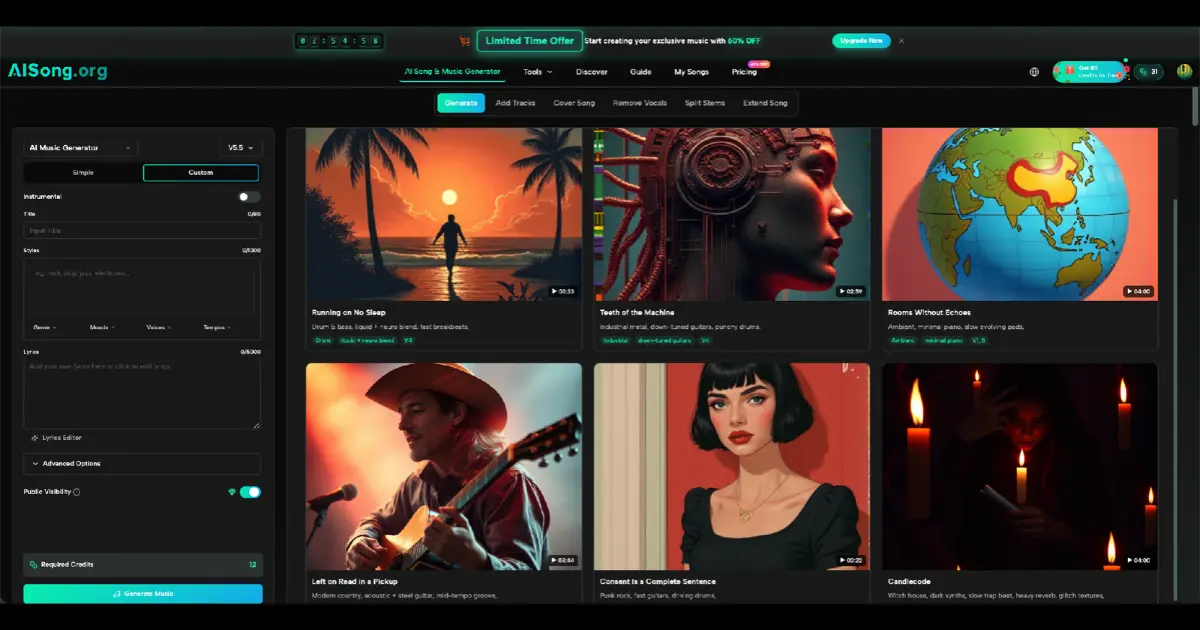
For example, an AI Music Generator accepts descriptions of musical style, mood, and genre. Its instrumental setting can be helpful for videos with spoken narration. A small team might explore a restrained acoustic approach, a playful electronic direction, and a calm cinematic sound. These are alternative drafts, not three tracks that must all be published.
Keep the brief specific: “instrumental background for a quiet workshop demonstration, steady rhythm, warm mood, no distracting vocal lead.” Listen to what the service produces and decide whether it fits. A written request can guide generation, but it does not guarantee that a specific beat arrives at the exact second your edit needs.
Avoid rewriting the entire brief after every listen. Change one important variable, such as energy level, so the team can explain why the next draft works better. Otherwise, a review session becomes a collection of opinions with no clear decision.
Run the Fifteen-Second Test
Choose the busiest fifteen seconds of the finished video, not the most attractive shot. This stretch might contain a product explanation, a screen demonstration, or an important call to action. Put the intended soundtrack underneath and ask one teammate who has not seen the edit to listen.
- Can You Understand Every Important Word?
Play the sample once on ordinary laptop speakers. Ask the listener to repeat the main message, without showing them the script. If they miss a key phrase, lower the music or simplify the surrounding sound. Do not immediately increase narration volume; louder is not always clearer.
For a software tutorial, a sentence explaining where to click matters more than dramatic background music. A viewer who cannot hear that instruction may abandon the video, however polished it looks.
- Does the Music Change at the Right Moment?
Watch the same segment with the screen visible. Does the music reinforce the action, or does its most energetic passage land during a quiet explanation? If the soundtrack pulls attention away from the important shot, shift the selected section or choose something less forceful.
Suppose the video ends with a before-and-after reveal. A short rise in energy near the reveal can help. A huge musical climax ten seconds earlier can weaken that moment instead.
- Does It Still Work on a Phone?
Play the segment through a phone’s built-in speaker at an ordinary listening level. Some layers that sound impressive through headphones can overwhelm speech on smaller devices. Check the same fifteen seconds again with captions enabled. If the video relies on music alone to explain a change, add visible context.
The objective is not perfect sound on every possible device. It is to catch avoidable problems before the audience does.
Turn Personal Opinions Into Useful Feedback
Audio reviews often stall because someone says a track feels “too corporate,” while another says it feels “too casual.” Both reactions may be sincere, but neither tells the editor what to do next.
Replace taste-based comments with questions tied to the brief. Does the opening seem welcoming? Is the key sentence understandable? Does the energy suit the intended audience? Which version helps the product demonstration feel most clear? You can record answers in a shared document without buying specialized testing software.
For a simple review, ask three people to mark each draft as clear, distracting, or uncertain. Then collect one sentence explaining their choice. A pattern across several listeners matters more than the loudest person’s preference. If everyone chooses a different version, revisit the video’s purpose instead of endlessly generating new tracks.
One practical rule makes these reviews shorter: the person who requested the video makes the final call using the agreed purpose. A social media manager might own a promotional clip, while a trainer owns an instructional recording. The editor should explain the tradeoff, not chase unanimous approval. If a lively track makes a tutorial harder to follow, clarity wins. If two tracks perform equally well, choose the one that requires fewer edits and document the decision.
Include Music in the Publishing Checklist
A video team may already check spelling, logo placement, aspect ratio, and export quality. Add audio to that same checklist. Confirm that speech remains intelligible, that the end does not cut off awkwardly, and that the published version sounds similar to the approved preview.
Keep the source video, the edited cut, and the chosen audio file organized with clear names. If the marketing team later needs a shorter version, it should not have to guess which track was approved. Store a short note about why the music was chosen. “Quiet track; narration remains clear” is enough to help a teammate pick up the project.
Rights need a separate check. Review the generator’s current terms for your account and planned usage, as well as the publishing platform’s audio policies. Do this before scheduling an advertisement or distributing a client video. Do not treat marketing copy about usage rights as legal approval for every scenario.
Finally, consider whether the campaign needs music at all. A testimonial built around a customer’s voice may work better with no soundtrack. Silence can also create contrast before an important announcement. A useful review process should allow the team to choose neither draft when that is the right decision.
Conclusion
A soundtrack should not get a free pass just because the video looks finished. Give your team a short, repeatable listening test instead: choose a demanding fifteen-second segment, check speech clarity, watch where the energy rises, and replay it on a phone. Write down one reason for the final choice and confirm the publishing terms before releasing the video. This approach keeps music connected to the message rather than to individual taste. On your next video, test two audio directions against the same fifteen seconds and see which one makes the message easier to understand.

Sandeep Kumar is the Founder & CEO of Aitude, a leading AI tools, research, and tutorial platform dedicated to empowering learners, researchers, and innovators. Under his leadership, Aitude has become a go-to resource for those seeking the latest in artificial intelligence, machine learning, computer vision, and development strategies.