

The development of AI image generation will form a fundamental aspect to digital creativities, marketing, entertainment and design in 2026. Since the emergence of social media creators to big companies, everybody is utilizing AI technology to create quality images in a quick and efficient way. The technology has no longer been restricted to the basic image creation- it is now inclined towards realism, customization, speed, and integration with other digital tools.
- Ultra-Realistic Image Generation
- More Rapid Image Production and in-Real Time Rendering.
- Individual and bespoke AI Art.
- Connection with Design Platforms
- Better Editing/Inpainting Features
- Launch of AI Image Generators to Mobile
- AI and Content Rules: Ethical
- AI + Human Creativity
- Depth-Based AI Image Generation and 3D
- AI-Based brand identity and content systems
- Multimodal AI Creativity (Text, Image, and Design Together)
- Conclusion
As AI continues to grow, new trends are being adopted that are shaping the image creation, editing and the use of the images in various industries. In this article, we will address the most significant trends in AI image generation in 2026 and the way they are revolutionizing the future of visual content creation.
Ultra-Realistic Image Generation
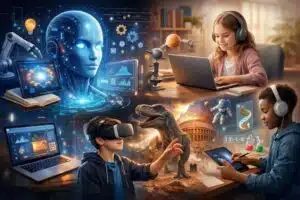
The development of hyper-realistic images of AI is among some of the largest trends of 2026. The new AI algorithms can now be able to generate images that are practically indistinguishable to the real photographs. The lighting, texture, and depth development have enabled AI-generated faces, environments, and objects to appear very natural.
Such tools as DALL·E and their high degree of realism and ability to show details are transformational tools of this change. It is especially important to such industries as advertising, e-commerce and media in which high quality visuals are a must. With the ongoing development of realism, AI images are getting more reliable and increasingly used in the workplace.
More Rapid Image Production and in-Real Time Rendering.
Another essential trend to consider in the AI image generation is speed. Most of the tools that are capable of producing high quality pictures with just a few seconds some can even generate pictures of high quality in real time. This would mean that users can instantly see the modifications that they make by modifying prompts or settings. The faster processing may enable creators to be even more experimental and enable them to make content much faster. This comes in handy especially to the creators of social media, the marketers, who require making a quick turnaround. The emphasis on speed is rendering AI tools more feasible and efficient in everyday applications.
Individual and bespoke AI Art.
The modern AI image applications have become one of the most important features characterized by personalization. Now, users are able to create extremely customized images according to their tastes, fashion or brand essence. The AI systems can be trained in the way the user wants, and will create images that are appropriate to a particular theme, and color, and style. It is an especially helpful trend when one has in mind businesses which would like to be able to maintain a consistent branding in the content they are providing. The individualized AI art also enables its creators to create their own visual identities in their work, such that their content is distinctive in a saturated digital environment.
Connection with Design Platforms
The AI image generation is no longer an autonomous process. It is also highly incorporated into the design platforms and creative tools in 2026. Applications such as Canva have now even gone ahead to incorporate AI image-generation into their applications so that users can now create and edit images using just a single application.
This integration will make sure that workflows are simplified and time saved with the help of integration of various steps in a single platform. The user is able to draw images, edit, add text and final designs without necessarily changing software. The trend is making AI cheaper and more affordable to less skilled users and beginners in addition to the professionals.
Better Editing/Inpainting Features
The other trend that must be brought up is the enhancement of the editing options of AI tools. The inpainting and outpointing features enable the user to edit some of the aspects of an image without altering the overall composition. To give an example, you can edit a background, correct a face or add some new features without any sort of interruption.
Their high-end editing capabilities offer end-users more control of their images and eliminates the need to use additional applications. It is not only AI that is no longer creating pictures, but also begins to offer a little assistance in the form of a good editing assistant.
Launch of AI Image Generators to Mobile
Mobile friendly AI tools are increasingly becoming popular in 2026. Most of the platforms have mobile apps, which enable people to create and edit images on their phones. The trend is rendering AI image-generation more reachable to a broader group of users, such as amateur users and social media creators. Mobile artificial intelligence gadgets are fast, straightforward and enable users to make contents on the spot. Such a change towards mobile availability is widening the sphere of AI technology.
AI and Content Rules: Ethical
The number of ethical questions and regulations is also on the rise, as the level of an AI image creation increases. The copyright, deepfakes, and abuse of AI-generated content are some of the concerns that are increasingly being taken seriously. Most of the sites are implementing more stringent regulations and watermarking systems to guarantee of responsible use.
AI + Human Creativity
In spite of the AI development, human creativity is still needed. The most successful will be those artists who use the AI tools and their own creative abilities in 2026. AI is quick and automating when compared to human beings who are directing, styling and refining. Such a partnership aids in improving the content of the work both in terms of quality and originality. Rather than destroying creativity, AI is enhancing and ensuring that everyone can get it.
Depth-Based AI Image Generation and 3D
The other tendency which is gradually gaining popularity is the development of 3D-like AI images and depth-based rendering. The same tools of simulating depth, perspective and even simple 3D structures in a 2D image can now be done by the AI tools. This creates more realistic and immersive images, especially when it comes to product design, architecture and concepts of video games. The users have more control over angles and space, and can create more dynamic and realistic images. The trend is shifting AI to be more interactive and filled with visual experiences, which are providing designs and creators with new opportunities.
AI-Based brand identity and content systems
By 2026, AI is used in businesses not only to single images but also to whole visual branding systems. Today, AI technology has the capability to produce logos, color schemes, marketing collateral, and social media templates in line with a brand identity. Software such as Canva is already adding these features to enable businesses to be consistent in all their content. The trend assists the firms to develop their visual production at a rapid rate and still have a professional and unified appearance. In fact, AI has now become a complete-fledged branding creative assistant, instead of an image generator.
Multimodal AI Creativity (Text, Image, and Design Together)
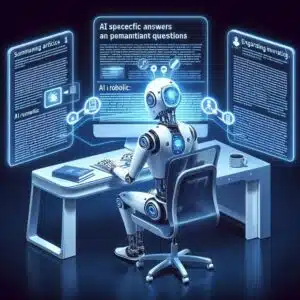
The creation of multimodal AI systems is one of the most important innovations in 2026 that will entail the integration of text, images, and design in a single workflow. Users can no longer go ahead to use individual applications like to create an image, write content and design layouts all in one application. These large ecosystems also include such tools as DALL·E where AI knows the different types of input and produces an entire creative output. This trend is also enabling the production of content to be quicker and more efficient and creators can use AI alone to produce entire projects- concept to final design.
Conclusion
In conclusion, the trends of AI Image generation in 2026 portrays a conclusive trend with regards to more intelligent, faster and even more imaginative technology. It can be the ultra-realistic image and real-time generation or the image-to-video conversion and multimodal creativity, but AI is changing the trend of visual content creation and consumption.
Nevertheless, DALL·E and other applications like Canva, not only are strong generation applications; they are also cheap to work with in their design process. In the meantime, these trends such as the customization of its products, 3D depth rendering and the development of an entire brand image are providing the users with more control and flexibility than they have ever had.
Creators and businesses that can adjust to these trends and utilize AI effectively to complement the human creativity will be the most successful creators and businesses in the future. The future of AI image generation is not only concerned with the generation of images but rather the generation of entire visual experience and in a fast, efficient and professional manner.

Dinesh Suthar is an AI and technology writer who explores the latest trends in artificial intelligence, emerging tools, and digital innovation. He simplifies complex tech topics into practical insights for businesses, marketers, and tech enthusiasts.