

Videos have become one of the most effective ways to share information, promote products, teach skills, and entertain audiences. However, language can limit how many people understand and enjoy video content. A creator who publishes a video in English may struggle to reach viewers who prefer Hindi, Spanish, French, Japanese, or another language.
- What Is AI Dubbing?
- How Does AI Dubbing Work?
- 1. Speech Recognition and Transcription
- 2. AI Translation and Localization
- 3. AI Voice Generation
- 4. Speech Timing and Audio Synchronization
- 5. Lip Synchronization
- 6. Final Audio and Video Export
- Best AI Dubbing Tools for Video Translation
- AI Dubbing Tools Compared
- AI Dubbing vs. Traditional Dubbing
- Benefits of AI Dubbing
- Reach International Audiences
- Reduce Video Localization Costs
- Speed Up Video Production
- Maintain Consistent Voice Characteristics
- Improve Accessibility
- Repurpose Existing Content
- Common Use Cases of AI Dubbing
- YouTube Videos and Social Media
- Online Courses and Educational Videos
- Marketing and Advertising
- Corporate Training
- Podcasts and Interviews
- Product Tutorials and Software Demonstrations
- How to Dub a Video Using AI
- Limitations and Challenges of AI Dubbing
- Translation Errors
- Unnatural Voice Delivery
- Lip-Sync Problems
- Cultural Differences
- Privacy and Voice Consent
- Quality Control
- Tips for Getting Better Results with AI Dubbing
- The Future of AI Dubbing
- Conclusion
- Frequently Asked Questions (FAQs)
- 1. What is AI dubbing?
- 2. How does AI dubbing work?
- 3. Can AI dubbing preserve the original speaker’s voice?
- 4. What are the best AI dubbing tools?
- 5. Is AI dubbing better than traditional dubbing?
- 6. Can AI dub YouTube videos into other languages?
- 7. Does AI dubbing support lip synchronization?
- 8. Is AI dubbing free?
- 9. Is AI dubbing suitable for professional videos?
- 10. Is AI dubbing safe to use?
AI dubbing is helping solve this problem. It uses artificial intelligence to translate spoken content, generate voices in other languages, and synchronize the new audio with the original video. Some tools can even reproduce the speaker’s vocal characteristics and adjust lip movements to make the translated video appear more natural.
Instead of hiring multiple voice actors and coordinating lengthy recording sessions, creators can use AI dubbing tools to localize their videos more efficiently. This technology is changing how businesses, educators, content creators, and media teams distribute content internationally.
What Is AI Dubbing?
AI dubbing is the process of replacing the original spoken audio in a video with speech generated in another language using artificial intelligence. The technology combines speech recognition, translation, voice synthesis, audio processing, and sometimes lip-sync generation.
Traditional dubbing often requires translators, voice actors, recording studios, sound engineers, and video editors. AI dubbing automates many of these steps, allowing users to convert videos into different languages with less manual work.
For example, a YouTube creator can record a tutorial in English and use an AI dubbing platform to generate a Hindi, German, or Portuguese version. Depending on the platform, the generated audio may preserve the original speaker’s voice, tone, pacing, and emotional delivery.
AI dubbing is not simply translating words. Modern systems aim to make the translated speech sound natural and fit the timing and context of the original video.
How Does AI Dubbing Work?
AI dubbing combines several AI technologies to transform the audio of a video into another language. Although individual platforms use different models and workflows, the process generally follows a few common steps.
1. Speech Recognition and Transcription
The first step is identifying the words spoken in the original video. AI speech recognition models analyze the audio and convert spoken language into text.
The transcription system may also identify pauses, timestamps, speaker changes, and other audio characteristics. These details help the dubbing system understand how the original dialogue fits within the video.
Accurate transcription is important because errors in the original text can affect the translation and the final voiceover.
2. AI Translation and Localization
After transcription, the system translates the original speech into the target language. However, direct word-for-word translation often produces unnatural dialogue.
AI dubbing systems may adjust sentence structure, expressions, and phrasing to make the translated speech sound more conversational. They can also consider the context of the video, speaker intent, and the duration of the original dialogue.
For example, a short English sentence may require more words in another language. The dubbing system may need to shorten or rephrase the translated sentence to fit the available speaking time.
Localization is especially important for educational videos, advertisements, product demonstrations, and entertainment content.
3. AI Voice Generation
Once the translated script is prepared, an AI voice model converts the text into spoken audio.
Depending on the platform, users may select a different AI voice or attempt to preserve the characteristics of the original speaker through voice cloning. The system can generate speech with different accents, tones, speaking styles, and emotional expressions.
Some AI dubbing platforms can maintain separate voices for different speakers in the same video. This is useful for interviews, podcasts, webinars, documentaries, and conversations.
4. Speech Timing and Audio Synchronization
The generated speech needs to fit the video. AI dubbing platforms use timing information and audio processing to align the new dialogue with the original scenes.
The system may adjust speaking speed, sentence length, pauses, or audio segments to improve synchronization. This helps the translated dialogue fit within the original speaker’s time window.
Timing becomes particularly important when a speaker appears on camera, because viewers can notice differences between mouth movements and spoken audio.
5. Lip Synchronization
Some advanced AI dubbing platforms offer lip-sync features that modify a speaker’s mouth movements to match the translated audio.
These systems analyze the video and generate or adjust facial movements so the speaker appears to pronounce the words in the new language. Lip synchronization can improve the viewing experience for talking-head videos, presentations, interviews, and promotional content.
However, not every AI dubbing tool includes lip-sync technology. Some platforms only generate a translated audio track, which users can combine with their original video through editing software.
6. Final Audio and Video Export
After the translation, voice generation, and synchronization process, the platform produces a dubbed video or downloadable audio track.
Users can review the result, adjust translations, replace incorrect voice segments, add subtitles, and make other editing changes before publishing.
A final quality check is important because AI-generated dialogue can contain pronunciation mistakes, translation errors, unnatural pauses, or audio synchronization problems.
Best AI Dubbing Tools for Video Translation
Several AI platforms help creators, marketers, educators, and businesses translate video content into different languages. The right tool depends on voice quality, supported languages, lip-sync capabilities, editing features, and budget.
1. HeyGen
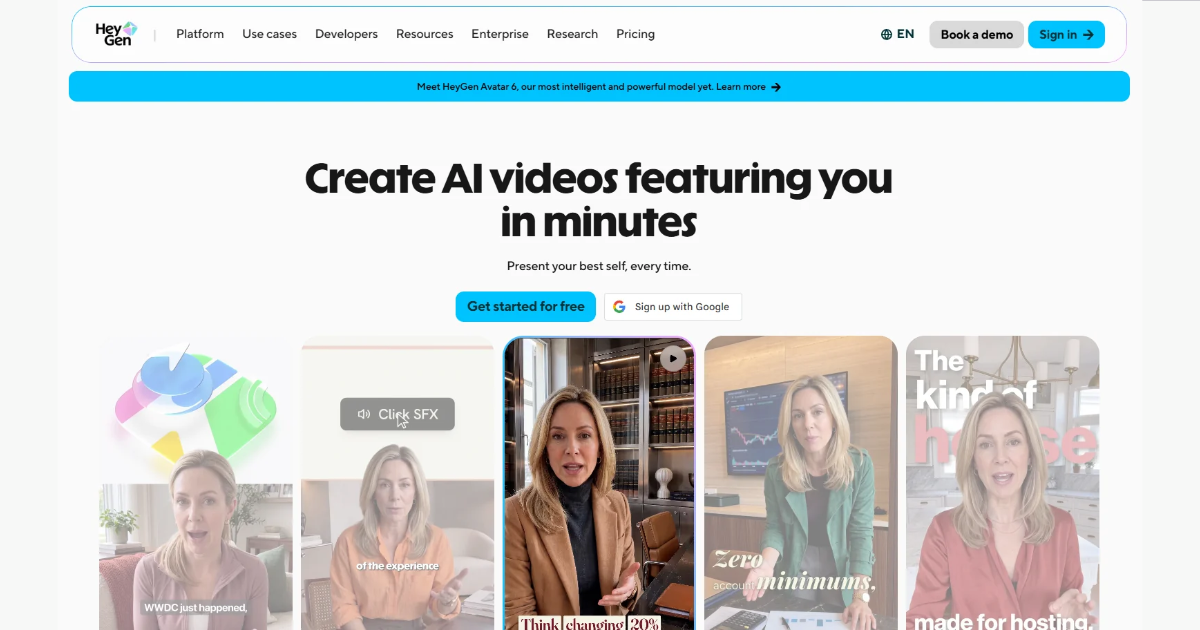
HeyGen is an AI video platform that offers video translation and dubbing capabilities. It is useful for creators and businesses that want to localize talking-head videos while maintaining a natural presentation.
Its AI video translation workflow can translate speech, generate dubbed audio, and support lip synchronization. Depending on the workflow and available features, users can also preserve the characteristics of the original speaker’s voice.
HeyGen can be useful for marketing videos, educational content, presentations, product demonstrations, and business communication.
Key features:
- AI video translation and dubbing
- Voice cloning capabilities
- Lip-sync functionality
- Multilingual video creation
- AI avatar and video creation workflows
2. ElevenLabs
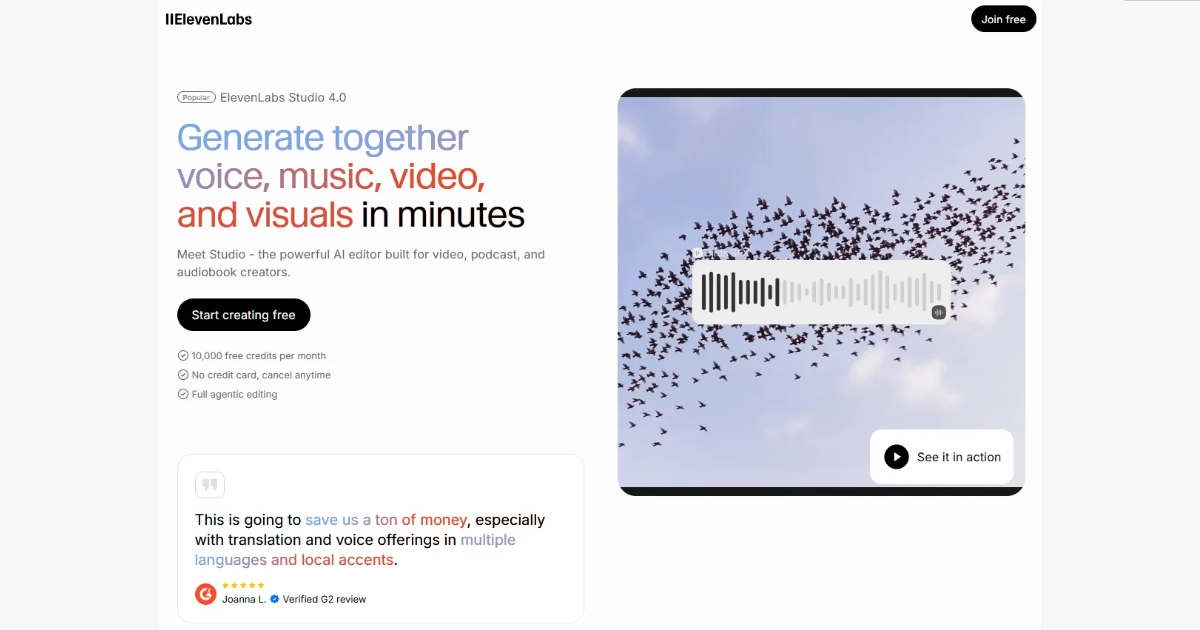
ElevenLabs is known for AI voice generation, voice cloning, and audio production. Its dubbing capabilities help creators translate videos and audio content into multiple languages while attempting to preserve the original speaker’s voice characteristics, tone, and emotional delivery.
The platform supports multilingual dubbing, speaker detection, and background audio preservation in supported workflows. Users can upload media or use supported video sources to create translated versions.
ElevenLabs is particularly useful for creators who prioritize realistic AI voices and natural-sounding speech.
Key features:
- AI-powered video and audio dubbing
- Voice preservation and voice cloning
- Multiple speaker detection
- Multilingual audio generation
- Voice-focused audio production tools
3. Dubverse
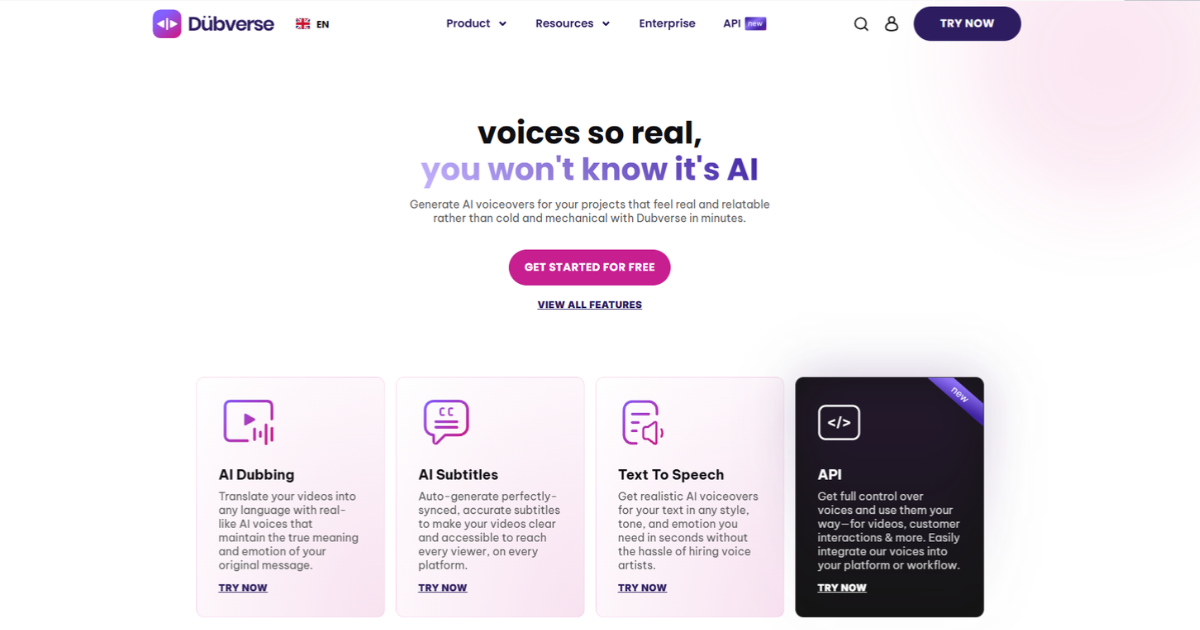
Dubverse is an AI-powered video translation and dubbing platform designed to help users create multilingual video content. It combines AI voice generation, translation, subtitles, and video-related workflows.
The platform is useful for creators who want to produce videos in multiple languages without recording each voiceover manually. It can also be relevant for content creators targeting Indian audiences and multilingual viewers.
Dubverse supports workflows for translating video content and generating AI voiceovers in supported languages.
Key features:
- AI video dubbing
- Text-to-speech generation
- Video translation
- Subtitle generation
- Multilingual voice options
4. Rask AI
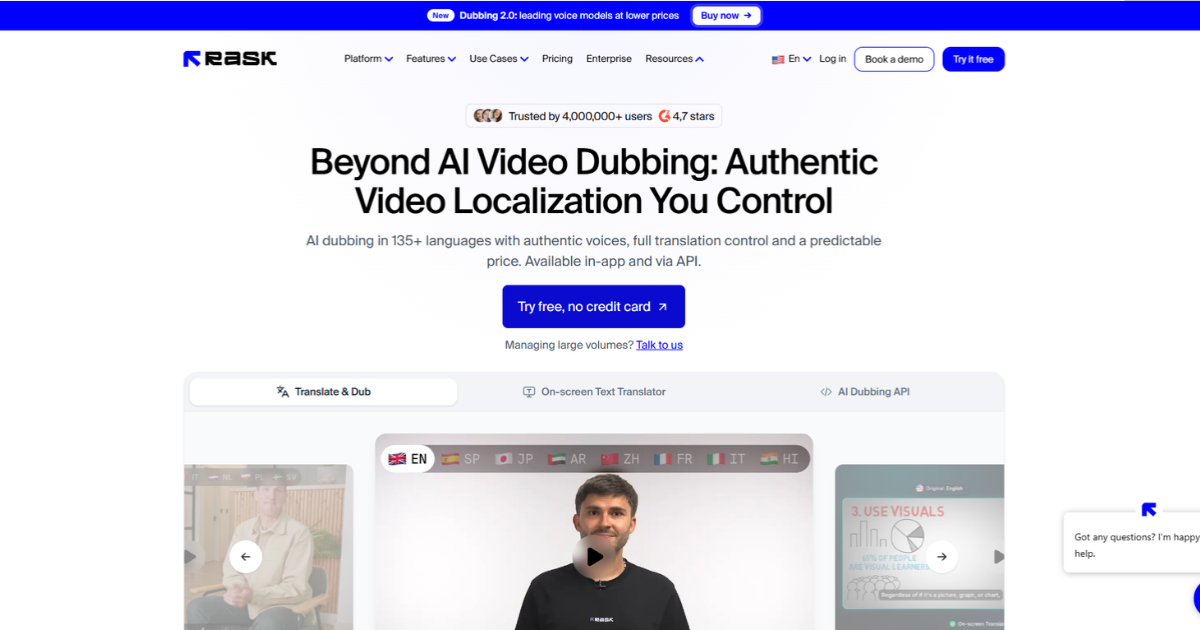
Rask AI focuses on video localization and multilingual content production. It helps users translate videos, generate dubbed voiceovers, and manage workflows for content that needs to reach international audiences.
Businesses, marketing teams, and video creators can use it to localize training materials, product videos, educational content, and presentations.
Depending on the available plan and features, the platform can support voice cloning, multiple speakers, subtitles, and video translation workflows.
Key features:
- AI video localization
- Video translation and dubbing
- Voice cloning capabilities
- Multilingual content workflows
- Subtitle-related features
5. Synthesia
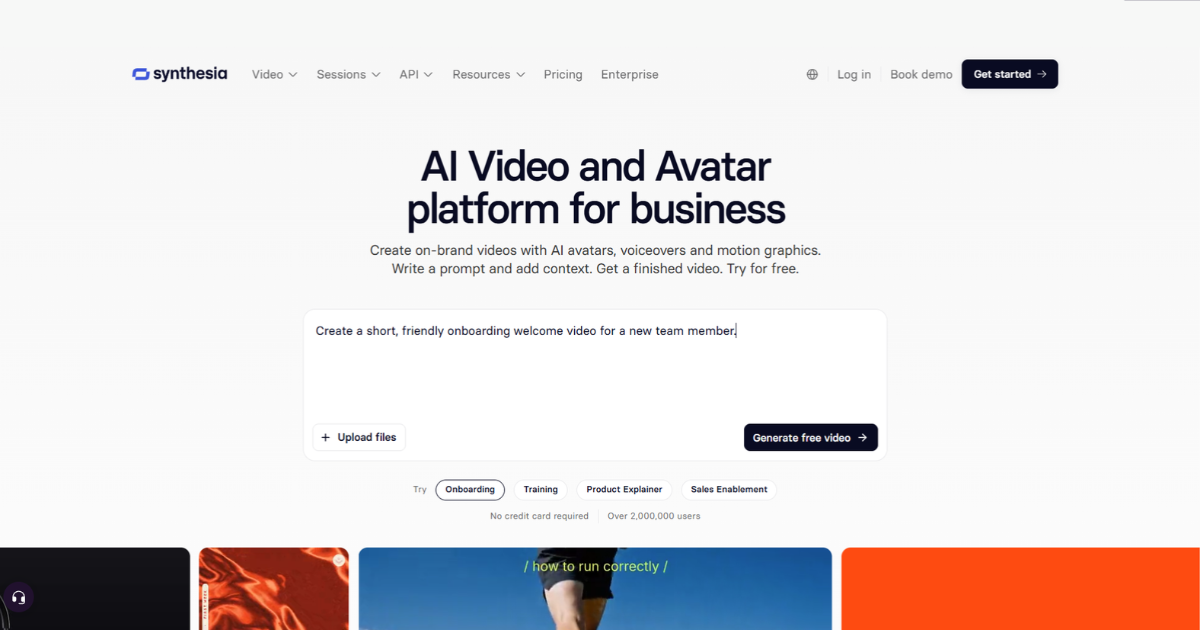
Synthesia is an AI video creation platform commonly used for business videos, training materials, onboarding content, presentations, and educational videos.
Its video localization capabilities help organizations adapt video content for audiences who speak different languages. Businesses can use it to create or localize training videos and communication materials without organizing separate recording sessions for every language.
Synthesia is particularly useful for corporate communication, learning and development, and professional video production.
Key features:
- AI video creation
- Multilingual video workflows
- AI avatars
- Video translation capabilities
- Business and training video production
6. Kapwing
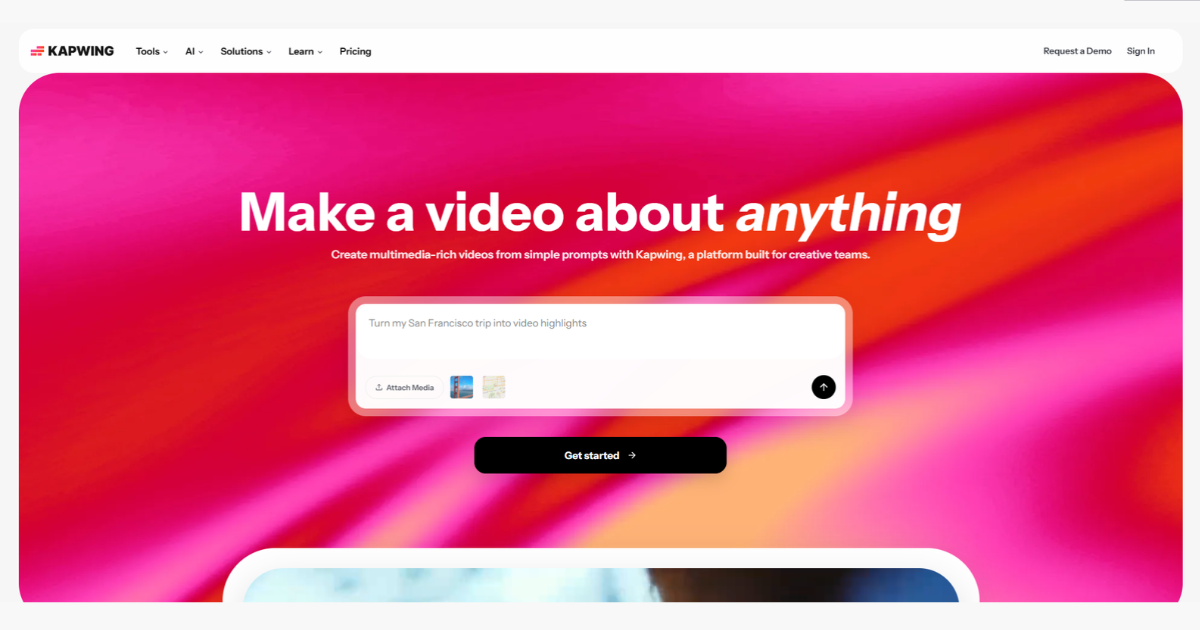
Kapwing is an online video editing platform that includes AI-powered tools for video creation, subtitles, audio editing, and video translation workflows.
Creators can use Kapwing to edit videos and prepare multilingual content from a browser without installing advanced desktop editing software. Its workflow can be useful for social media videos, promotional clips, short educational videos, and marketing content.
It also provides editing tools that help users refine their videos after the dubbing process.
Key features:
- Browser-based video editing
- AI video translation workflows
- Subtitle generation and editing
- Audio and video editing
- Social media content production
AI Dubbing Tools Compared
| Tool | Best For | Key Capabilities |
|---|---|---|
| HeyGen | Talking-head videos | Video translation, voice cloning, lip sync |
| ElevenLabs | Natural AI voices | Voice dubbing, voice preservation, speech generation |
| Dubverse | Multilingual creators | Dubbing, subtitles, translation |
| Rask AI | Video localization | Translation, voice cloning, multilingual workflows |
| Synthesia | Business and training | AI videos, multilingual content |
| Kapwing | Social media creators | Online editing, subtitles, video translation |
Features, supported languages, usage limits, and pricing can change. Check the official platform before choosing a tool for a production project.
AI Dubbing vs. Traditional Dubbing
AI dubbing and traditional dubbing both help adapt videos for audiences who speak different languages, but their production processes are different.
| Factor | AI Dubbing | Traditional Dubbing |
|---|---|---|
| Production process | Automated or AI-assisted | Human-led recording and production |
| Turnaround time | Often faster | Usually requires more coordination |
| Cost | Often more affordable for large-scale localization | Can be expensive depending on production |
| Voice selection | AI voices or voice cloning | Professional voice actors |
| Translation | AI-assisted translation | Human translators or localization experts |
| Editing | Automated tools and manual corrections | Professional editing and sound mixing |
| Emotional delivery | AI-generated and model-dependent | Human performance |
| Scalability | Easier to produce multiple language versions | Requires additional production resources |
AI dubbing can reduce the time and resources needed to localize content. Traditional dubbing, however, may still be the better option for films, premium entertainment, sensitive storytelling, and projects where nuanced acting is essential.
Many production teams now use a hybrid approach, combining AI-generated dubbing with human translators, editors, and voice professionals.
Benefits of AI Dubbing
AI dubbing offers several advantages for content creators, businesses, and video production teams.
Reach International Audiences
Language localization can help creators reach viewers in different countries. A video that is originally produced in English may become more accessible to audiences who prefer another language.
Businesses can use multilingual video content to introduce products, explain services, and communicate with international customers.
Reduce Video Localization Costs
Traditional dubbing may require translators, voice actors, recording studios, and audio editors. AI dubbing can automate several parts of this process.
For organizations that regularly produce videos in multiple languages, automation can help reduce production costs. The actual savings depend on the quality requirements, platform costs, editing time, and the number of languages involved.
Speed Up Video Production
AI dubbing can generate translated voiceovers much faster than many traditional production workflows.
Creators who publish regularly can reuse existing videos and produce additional language versions without starting from scratch. This can help marketing teams, educators, and video publishers maintain a consistent content schedule.
Maintain Consistent Voice Characteristics
Voice cloning capabilities can help preserve certain characteristics of the original speaker across different language versions.
This can be useful for brands, creators, educators, and businesses that want their videos to maintain a recognizable voice.
However, voice similarity does not guarantee identical pronunciation, emotion, or naturalness in every language.
Improve Accessibility
AI dubbing can make video content easier to understand for people who are more comfortable listening to another language.
It can support educational materials, tutorials, workplace training, product instructions, and informational videos. When combined with captions and subtitles, multilingual content can provide additional ways for viewers to access information.
Repurpose Existing Content
AI dubbing makes it easier to adapt existing video content instead of producing new videos for every audience.
A company can reuse a product demonstration, a creator can localize an older tutorial, and a teacher can adapt a recorded lesson for students who speak different languages.
Repurposing content can help extend the value of videos that have already been produced.
Common Use Cases of AI Dubbing
YouTube Videos and Social Media
YouTube creators, Instagram content creators, and video publishers can use AI dubbing to make their content accessible to audiences in other languages.
For example, a technology creator who publishes AI tutorials in English may create Hindi or Spanish versions of the same video. This allows creators to experiment with new audiences without recording the entire video again.
Online Courses and Educational Videos
Educational institutions, online learning platforms, and independent instructors can use AI dubbing to localize lectures, tutorials, and instructional videos.
Students may find it easier to follow complex concepts when explanations are delivered in their preferred language.
Marketing and Advertising
Businesses can localize product demonstrations, promotional videos, advertisements, and customer testimonials.
AI dubbing can help marketing teams adapt campaigns for different regions while maintaining similar messaging across languages.
Corporate Training
Organizations that operate in multiple countries can use AI dubbing to localize employee onboarding, compliance training, internal presentations, and instructional content.
This can reduce the need to record separate versions of every training video.
Podcasts and Interviews
Podcast creators can experiment with translating interviews, discussions, and informational episodes into other languages.
AI dubbing tools that support multiple speakers can help generate translated versions of conversations, although the output should be reviewed for speaker accuracy and conversational flow.
Product Tutorials and Software Demonstrations
Technology companies can localize software tutorials, product walkthroughs, troubleshooting guides, and feature demonstrations.
Translated videos can help users understand how to use products without relying exclusively on written documentation.
How to Dub a Video Using AI
Most AI dubbing tools follow a similar process. The exact interface may vary, but the general workflow is straightforward.
Step 1: Upload your video
Choose a video that you want to translate. Some platforms also support audio uploads or importing videos through supported links.
Step 2: Select the target language
Choose the language in which you want to generate the dubbed version. Some platforms allow users to select several target languages for the same video.
Step 3: Review the transcription
Check the original transcript if the platform provides one. Correcting transcription mistakes before translation can help improve the final result.
Step 4: Generate the translation
Allow the platform to translate the spoken content. Review the translated script where editing is available, especially if the video contains technical terms, brand names, idioms, or industry-specific language.
Step 5: Select or preserve a voice
Choose an AI voice or use an available voice-preservation feature. Depending on the platform, you may be able to select different voices for different speakers.
Step 6: Generate the dubbed audio
Start the dubbing process. The platform will generate the translated speech and may synchronize it with the original video.
Step 7: Review and edit the output
Listen to the final audio and check pronunciation, timing, translation accuracy, background audio, and speaker consistency.
Step 8: Export the video
Download the dubbed video or audio track and prepare it for publishing. If necessary, use a video editor to make additional adjustments.
Limitations and Challenges of AI Dubbing
Although AI dubbing has improved considerably, it is not perfect.
Translation Errors
AI translation systems can misunderstand idioms, technical terms, jokes, cultural references, or context. Incorrect translations can change the meaning of a video.
For important content, a native speaker or qualified translator should review the final script.
Unnatural Voice Delivery
Some AI voices may sound robotic, overly smooth, or emotionally inconsistent. The quality may also vary between languages, accents, and voice models.
A voice that sounds natural in one language may not perform equally well in another.
Lip-Sync Problems
Lip-sync technology can improve video localization, but generated mouth movements may still look unnatural in certain scenes.
Fast speech, facial movements, camera angles, multiple speakers, or poor video quality can affect synchronization.
Cultural Differences
A phrase, joke, expression, or reference that works in one culture may not work in another.
Localization should consider cultural context rather than translating every sentence literally.
Privacy and Voice Consent
Voice cloning and AI dubbing can create concerns about identity, privacy, and unauthorized use.
Users should only clone or reproduce voices when they have appropriate permission. Businesses should also review privacy policies, data retention practices, and licensing terms before uploading sensitive recordings.
Quality Control
Automated dubbing may produce mistakes in names, pronunciation, sentence timing, or speaker identification.
Human review remains important for videos used in advertising, education, healthcare, financial communication, legal information, or other situations where accuracy matters.
Tips for Getting Better Results with AI Dubbing
- Use clear original audio: Background noise, music, and overlapping conversations can affect transcription and dubbing quality.
- Check the transcript: Correct errors before generating the translated audio.
- Choose appropriate target languages: Consider the audience’s preferred language and regional dialect.
- Review technical terms: Check names, abbreviations, product names, and industry-specific terminology.
- Use natural translations: Avoid literal translations that sound unnatural when spoken.
- Test voice quality: Listen to short samples before dubbing a full video.
- Review lip synchronization: Check whether the voice and mouth movements align.
- Obtain voice consent: Use voice cloning responsibly and respect the rights of the original speaker.
- Keep a human review process: Verify the final output before publishing.
The Future of AI Dubbing
AI dubbing is moving toward more natural voice generation, improved translation accuracy, better speaker recognition, and more convincing synchronization.
Future dubbing workflows may combine real-time translation, voice preservation, automatic subtitle generation, lip-sync adjustment, and video editing in a single platform. This could make multilingual content production more accessible to independent creators and smaller businesses.
AI dubbing may also become more useful for live presentations, online meetings, virtual events, interactive learning, and customer support videos as real-time speech translation technologies improve.
However, the future of dubbing will not depend only on automation. Trust, cultural accuracy, voice consent, and quality control will remain important. AI can help create multilingual content faster, but good localization still requires understanding the audience.
Conclusion
AI dubbing is transforming how video content is translated, localized, and distributed. It combines speech recognition, machine translation, AI voice generation, and audio synchronization to create videos in different languages.
Creators can use AI dubbing to expand their audiences, businesses can localize marketing and training materials, and educators can make lessons more accessible to multilingual students.
Platforms such as HeyGen, ElevenLabs, Dubverse, Rask AI, Synthesia, and Kapwing offer different approaches to AI-powered dubbing and video localization.
The best results come from combining automation with careful review. AI dubbing can save time and simplify production, but accurate translation, natural speech, responsible voice usage, and audience-focused localization remain essential for creating quality multilingual videos.
Frequently Asked Questions (FAQs)
1. What is AI dubbing?
AI dubbing is the process of replacing a video’s original speech with AI-generated audio in another language. It uses speech recognition, translation, voice synthesis, and audio processing to create multilingual versions of videos.
2. How does AI dubbing work?
AI dubbing typically transcribes the original speech, translates the text, generates speech in the target language, and synchronizes the new audio with the video. Some platforms also offer voice cloning and lip-sync features.
3. Can AI dubbing preserve the original speaker’s voice?
Some AI dubbing tools offer voice cloning or voice-preservation capabilities that attempt to maintain the original speaker’s vocal characteristics across languages. Results vary depending on the platform, voice quality, language, and recording conditions.
4. What are the best AI dubbing tools?
Popular AI dubbing tools include HeyGen, ElevenLabs, Dubverse, Rask AI, Synthesia, and Kapwing. Each offers different features for voice generation, video translation, editing, and localization.
5. Is AI dubbing better than traditional dubbing?
AI dubbing can be faster and more affordable for many projects, especially when producing videos in multiple languages. Traditional dubbing may offer better control over nuanced acting, cultural adaptation, and professional audio production.
6. Can AI dub YouTube videos into other languages?
Yes. Many AI dubbing platforms support video uploads or compatible video links and can generate translated audio in supported languages. Creators should check the platform’s terms and permissions before processing or republishing content.
7. Does AI dubbing support lip synchronization?
Some AI dubbing platforms offer lip-sync features that adjust mouth movements to match translated speech. Other tools only generate a translated audio track without modifying the original video.
8. Is AI dubbing free?
Some AI dubbing platforms offer free plans, trials, or limited credits. Free usage may have restrictions on video length, supported languages, export quality, watermarks, or monthly usage. Check the platform’s current pricing before starting a project.
9. Is AI dubbing suitable for professional videos?
AI dubbing can be suitable for marketing videos, training materials, tutorials, presentations, and other professional content. Important videos should be reviewed for translation accuracy, pronunciation, synchronization, and voice quality before publication.
10. Is AI dubbing safe to use?
AI dubbing is generally a content-production technology, but users should consider privacy, copyright, voice consent, and data security. Avoid cloning someone’s voice without appropriate permission and review the platform’s policies before uploading sensitive recordings.

Sandeep Kumar is the Founder & CEO of Aitude, a leading AI tools, research, and tutorial platform dedicated to empowering learners, researchers, and innovators. Under his leadership, Aitude has become a go-to resource for those seeking the latest in artificial intelligence, machine learning, computer vision, and development strategies.