

Have You Ever Seen How A Small AI Contest Can Lead To Smarter Digital Tools Used In Daily Life?
AI challenges are becoming a useful way to test ideas, improve digital systems, and bring smart thinking into real use. Many people think AI is only about complex machines or heavy coding, but in simple words, it is about making digital systems work better, faster, and more clearly for people.
An AI challenge is usually a task where teams try to solve a real digital need using artificial intelligence. It can be related to data, automation, user support, smart search, online safety, planning, or better decision-making. The main idea is simple. Give a clear task, let skilled people work on it, and then learn from the best results.
This kind of activity helps students, developers, researchers, and digital teams think more practically. They do not only study AI as a subject. They also use it to build something useful. That is where real value comes in.
Why AI Challenges Matter In Digital Growth
AI challenges help people test new ideas in a focused way. Instead of talking only about what AI can do, teams get a clear task and show how their idea works.
They Turn Ideas Into Working Models
A good idea is useful only when it can be tested. AI challenges give teams a chance to make working models that can be checked, improved, and understood. This makes the whole process more real.
For example, a team may create a system that sorts large data in less time. Another team may make a tool that gives better search results. Someone else may build an AI model that helps digital platforms understand user needs.
The good part is that each model adds learning. Even a small idea can later become part of a smarter digital system.
They Support Practical Learning
AI is easier to understand when people use it on real tasks. In many cases, young tech learners know theory, but they need practice. AI challenges give them that space.
They learn how to handle data, write better logic, test results, and improve their system step by step. This kind of learning feels close to real work. It also helps them build confidence.
It is like learning to cook by actually making food, not just reading a recipe. The same thing happens with AI: real task, real effort, real learning.
How AI Challenges Build Smarter Digital Systems
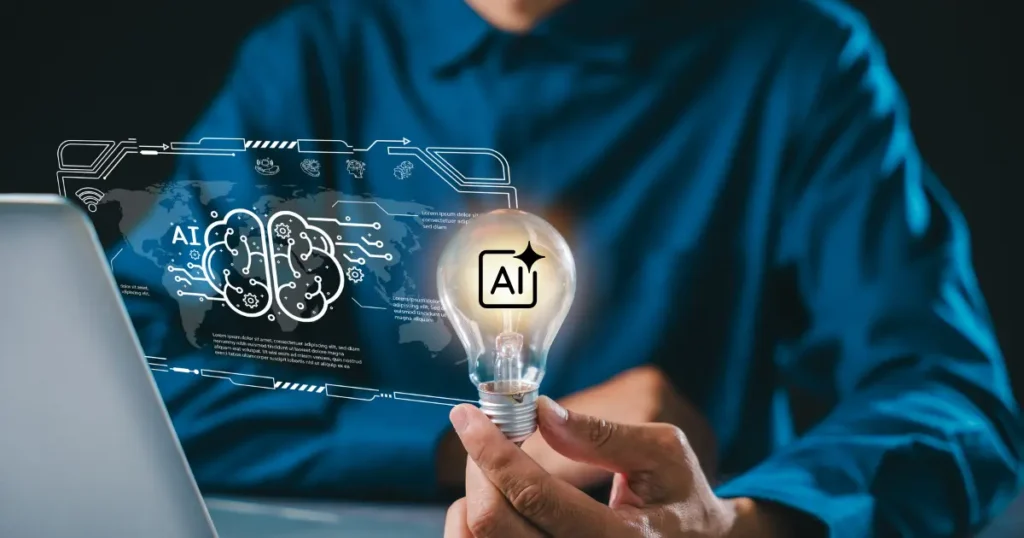
Smarter digital systems need clear data use, quick response, simple flow, and better decision support. AI challenges help improve all these areas naturally.
Better Use Of Data
Digital systems run on data. AI challenges teach teams how to read, sort, and use data in a useful manner. When data is handled well, digital tools can give cleaner results.
For example, an AI system can study patterns and help a platform suggest useful content, manage tasks, or support users faster. This does not need to feel complex. From a user’s side, it just feels smooth and useful.
Some AI tasks also include pattern-based tools like a Destiny Matrix Chart, where data points are arranged in a structured format to give users a clear view of certain personal or digital patterns. The same logic can be seen in many digital systems, where AI helps arrange information in a simple and readable way.
Faster And Clearer Decisions
AI challenges also help digital systems make faster decisions. In daily use, people like tools that respond quickly and give clear output. AI can support this by reading inputs and giving useful results in less time.
Think of a support system that can understand a user query and suggest the best next step. Think of a digital dashboard that shows important updates without making the user search too much. These small improvements make the system feel smarter.
Simple User Experience
A smart system is not only about advanced technology. It should also be easy for people to use. AI challenges often push teams to think about real users.
A system may have strong AI inside, but if people cannot understand it, the value becomes low. So teams focus on simple screens, clear steps, and easy results. This helps make digital systems more friendly for common users.
The Role Of Teamwork In AI Challenges
AI challenges bring different minds together. Some people understand coding. Some understand data. Some think about user flow. Some focus on testing. Together, they create stronger output.
Different Skills Create Better Results
AI work is not done by one skill alone. It needs logic, data sense, writing ability, design thinking, and testing. When people with different skills work on one task, the result becomes more balanced.
This is useful for digital systems because real users also have different needs. A strong AI model should work well, but it should also feel easy and useful.
Feedback Helps Improve The System
AI challenges often include review rounds. These reviews help teams understand what is working well and what can be improved. The feedback is useful because it comes from people who look at the system with fresh eyes.
This helps the team refine the idea. They can improve speed, clarity, layout, and accuracy. In the end, the digital system becomes more polished and more useful.
AI Challenges And The Future Of Digital Work
Digital work is moving toward smarter tools, better automation, and faster support. AI challenges are positively helping this shift.
They Prepare People For Real Digital Needs
AI challenges prepare people for real digital tasks. They learn how to build systems that can support users, manage information, and improve online work.
This is good for students, tech teams, and businesses that want better digital systems. It also helps create a strong talent pool for future AI work.
They Make Innovation More Practical
Innovation sounds big, but in simple words, it means finding a better way to do something. AI challenges make innovation practical because every idea has to show real use.
Teams are not only saying, “AI can help.” They are showing how it can help. That makes the learning more useful and the output more trusted.
Final Thoughts
AI challenges play an important role in building smarter digital systems. They help people test ideas, use data better, improve user experience, and create practical AI solutions.
The best part is that these challenges make AI feel less distant. They show that AI is not only for labs or expert rooms. It can be used in daily digital work, online tools, support systems, planning platforms, and many other useful areas. With clear tasks, strong teamwork, and practical thinking, AI challenges can keep supporting smarter digital systems simply and positively.

Sandeep Kumar is the Founder & CEO of Aitude, a leading AI tools, research, and tutorial platform dedicated to empowering learners, researchers, and innovators. Under his leadership, Aitude has become a go-to resource for those seeking the latest in artificial intelligence, machine learning, computer vision, and development strategies.