

In 2026, AI images are gaining popularity, and have a huge effect on images in business, marketing, freelancing and art. AI images are being used in a variety of ways – social media, social media post thumbnails, branding and marketing. This makes it easier, faster and more affordable to produce content. With this comes the question – is there any catch to using AI images for business? The short answer is yes, but it’s not so straightforward.
With AI images, it’s all about the licensing, Terms and Conditions, ownership and generation of an AI image. For those who aren’t aware, you may think you can use AI images for free in your business, but you can’t. This may lead to legal problems, content removal or even a loss in profit. In this article we’ll be looking at commercial use of AI images in 2026, and how to use AI images for business safely.
What Does Commercial Use Mean?
So commercial use of an image is when you’re using an image for a commercial or profit-making purpose. So, if you’re using an image in business activities, in profit-making activities. For example, if you’re using an image to market a service or product, if you’re using an image to develop a product for customers, to market a product or a brand. AI images are used for business in 2026.
Brands use AI images as advertisements for their products through social media (Facebook, Instagram), websites, email and packaging. Designers either for clients or retailers use AI images for designing print-on-demand products such as clothes, posters and products. And YouTubers, bloggers and online course creators use AI images for creating YouTube channels, blogs and online courses. Since AI images are used for commercial use, let’s talk about commercial use.
Can I Use AI Images for Commercial Use?
The answer is yes and no. Most AI image generators, in 2026, will be commercial, especially if you pay a subscription. But some will be more restrictive than others. Some will be non-commercial, some will restrict commercial use of an AI image you create (selling, or distributing AI images, for instance). So, you can use the AI image to advertise a product, but you can’t sell the image.
You may have to credit the image with some AI image generators and so on. So, you will need to read the fine print with using an AI image. So, it’s not the case of you can use any AI image for commercial use, as if you do that your account could be suspended or you could even face a lawsuit.
The Importance of Licensing
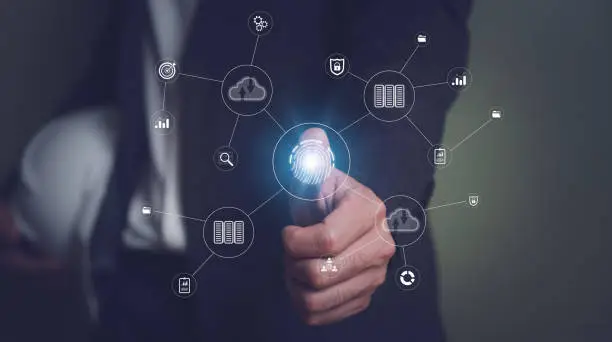
So, whether or not you can use AI images for commercial purposes comes down to licensing. In 2026, the majority of AI image generators will provide a variety of licenses (personal, commercial, extended commercial). Personal licenses will allow you to use the images for personal and practice uses (non-commercial). Commercial licenses will be for using images, but may be restricted (for example, you can’t sell or redistribute images).
Extended licenses will be for more use, reselling images, using images for large advertising campaigns or incorporating them into your product. There will also be a limit to the number you can use in the plan; you may need to up the plan to use more. The Terms of Use will ensure you use it properly and protect you.
Free or Paid AI for Business
The second issue for artists is whether AI is free or not. Freeware is great to play around with, but may have limitations. This can be restricted use, or even joint ownership. However, commercial tools have variable licensing, and are business-friendly. By 2026, most artists and businesses who use AI tools will want to use commercial AI tools, rather than free tools, due to commercial rights.
Free tools are good for trying things out, but may not be good for business. You may have to pay for a tool to avoid legal problems, and avoid risks.
Commercial Use Risks and Complications
The AI image is possibly able to be used for commercial purposes but there are risks. First, the AI image may be copyright, trademark and design infringement. Typically, AIs are trained by being provided with a lot of data and the image may resemble a copyrighted image.
It could be copyright infringement if it is used in advertising and products. There could be trade mark issues with symbols. And lastly, there could be copyright issues with licensing and sales.
Using AI Images for Business
The solution to the use of AI images is to be aware, alert and vigilant. First, to carefully read the terms and conditions of the AI generator. Third, it’s recommended to edit AI images to make them original. This will make the design better and reduce the risk if you want to use it in commercial applications. Fourth, record the prompt, process and editing to use as evidence in court.
Lastly, use safe AI tools that can be used for commercial purposes. These tips will help you to create and manage safe and creative artworks.
Human Creativity in Commercial Use
Human creativity can be important to assess and protect AI images. While AI programs can produce quality images, they might not be creative. But to be unique by 2026, you can use your creativity to crop, modify, merge and re-arrange the AI generated image. This will improve the image and its uniqueness to avoid plagiarism. Companies want distinct images and this can be generated.
Hence, AI and human creativity will be the source of quality and unique images. It’s fast and creative.
Impact of AI Images on Branding
AI images are important for branding. Images are critical to branding in 2026. AI is quicker and results in a better end product, but it’s also less original. Many people can create designs with AI design programs, leading to standardized designs. This could make designs less unique. It’s important to ensure that companies personalize AI designs and develop design identities. This can be achieved through colors, typography etc. Branding builds trust and sales.
The Problems with Selling AI Designs
AI designs are difficult to sell but valuable. Online retailers have 2026 AI policies. Designers can’t create copyrighted or licensed designs. Designers can’t sell AI files, which are open to editing or improvement. Then there’s competition, as designers design with AI. Designers need to be unique, high quality and adhere to community standards. Create a portfolio and understand rules to sell AI images.
The Future of AI Image Commercialization
AI images will be used for commercial purposes. AI will likely be used by businesses to improve efficiency and save money. But licensing will probably change to be clearer and more consistent to avoid copyright infringement. Laws and policies to deal with copyright. Technology could have auto copyright, monitoring and plagiarism. This will help creators in the digital era.
Keeping up with AI Policies
A factor for creators in 2026 is to be aware of AI policies. AI policies and regulations can be fast moving. New technologies could become outlawed or limited by policies and regulations. Look out for terms of service, licenses and so on. This will be a safe AI image business.
Conclusion
So, in 2026 AI images can be used for business but only to the terms and conditions of the license. They will be used in business in a variety of ways, for a range of apps, subscriptions and creative practices. The potential of AI tools to get a business started are also an issue. They want to know about licensing, they don’t want to copy, they want to be creative.
With the support of AI tools, and human creativity and legal expertise, you can use AI images in business. And with best practice and legal knowledge you can have a profitable, sustainable and successful business in the AI era.

Dinesh Suthar is an AI and technology writer who explores the latest trends in artificial intelligence, emerging tools, and digital innovation. He simplifies complex tech topics into practical insights for businesses, marketers, and tech enthusiasts.