

It’s all digital and so are AI images. We don’t have to be designers or have design software to create stunning images. All we have to do is enter a prompt and we will get beautiful images in a snap. How you use it is important. One of the biggest reasons why users don’t get the most return from the tool is because they don’t use good prompts. A prompt is not a statement, it’s a command.
You’ll get an image as good as your prompt. If you get the prompt wrong, you will get the wrong image. However, with the right prompt you can generate an accurate, creative and beautiful image. Here we’ll take a look at the fundamentals of prompt writing, and some tips on how to get the most from it. You can use this skill to generate gorgeous images for social media content, business, design and other personal projects. Prompt writing is the skill of the future and will set you apart.
Know More about AI Image Prompts
An AI image prompt is a text description that helps the AI to generate an image. It’s a way of translating your ideas into an image. An AI image prompt is recognized by the AI and your words are translated into an image by the AI using data patterns. It’s worth remembering AI doesn’t come up with ideas. It just translates your text. So, the prompt is important.
The Benefits of Organizing Prompts
It’s important to structure prompts because it makes you think. If you don’t organize the prompt then the AI may not know what to do and it may not generate the picture you want. A further advantage of formulaic prompts is that they’re consistent. This makes it possible to get the same result, which is useful when creating artwork for a client.
Another reason why formulaic prompts work is because you have a greater chance of success. You don’t need to try different prompts; you can use a formula. This saves time and effort. So, the structure helps the AI to comprehend your prompt. It makes your idea into a task and therefore an image.
What Makes a Good Prompt
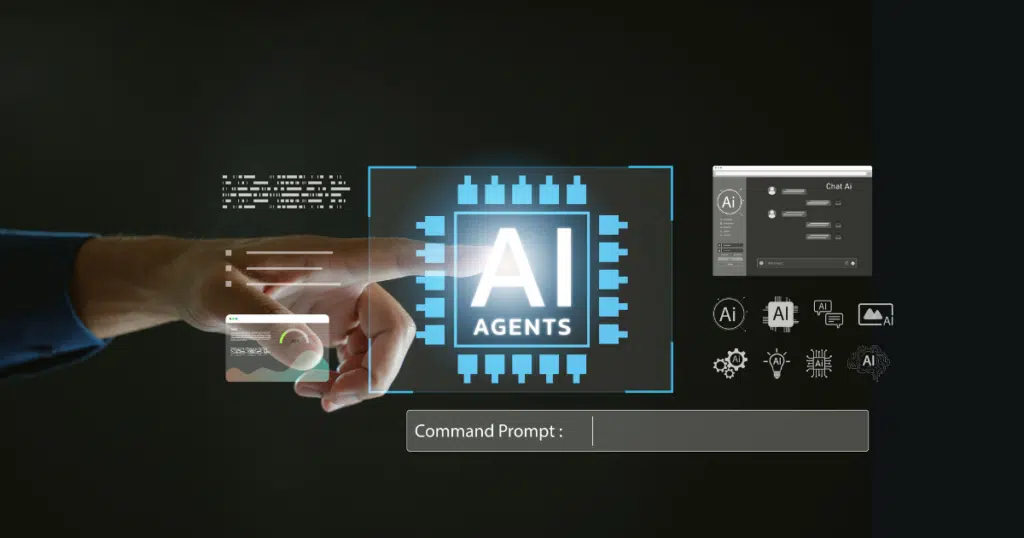
A good AI image prompt has many factors that contribute to a good image. First, the main element of the image, which is the subject. This may be an object, person or location. Second, the descriptive information, which describes the subject, such as its color, shape, size and texture. Third is context, which provides context for the image.
It’s used to provide a rough position of the subject. The fourth is style, which is the style of art (realistic, film, anime, digital art, etc). The fifth is lighting (atmosphere and volume). The sixth is composition (how it is seen). The seventh is modifiers (high resolution, ultra-detailed etc). All of these provide full instructions to the AI. This makes the images more realistic and attractive. This is vital to creating AI images.
Importance of Description and Detail
The key to making good AI images is to provide as much detail as possible. The more the better. AI can’t read your mind. It will do what you tell it to. You have to be descriptive. You can say, “a night with lots of lights and tall buildings, and a body of water to reflect the lights.” This will help you get an idea. But don’t give too much information.
Too many details will confuse the AI. You have to be descriptive but not too descriptive. And with practice you will learn to be descriptive but not too much. It’s an important skill to use in generating AI images.
Selecting a Style and Creative
When generating AI images, a key component of your AI image prompt is style, which is how your image will look. Not only is it important for the image to look good, but also for it to look right. AI image generators can make images in various styles: photos, movie styles, anime, digital art, watercolor, 3D etc. These styles will look different, and affect the image. For instance, realistic images are good for branding, business or product design as they appear professional and authentic.
However, an anime or cartoon-style is suitable for artistic or narrative images or social media. You can also play with two things, such as “realistic with cinematic lighting” or “digital painting with soft pastel tones”. This gives you interesting results. The other factor is consistency in style. If you have a project that you are working on where you are taking a series of images, you have to be consistent with your style for each image. This is good for branding and marketing.
Composition, Angles and Perspective
Composition is the placement of the subject in the image. It creates a pleasing and balanced effect. If not done properly, a complex image can be messy. You can set a mood by experimenting with the shot angles. For instance, a close up is more personal and draws you in.
A long shot is more distant. These shots are often used in photography and video, and can also be produced with AI. You can add composition information to the prompt to help the AI to frame the shot. This will result in more professional images. You will see a big improvement in this area as you get used to it.
Tips to Improve Your Results
There are ways that you can enhance your prompt writing skills to create professional images. One of these is prompt layering, or breaking your prompt into layers. This helps you to convey your expectations to the AI. Another way is to use keywords. Words like “ultra-detailed”, “cinematic”, “realistic” and “high resolution” help the AI to produce better images.
They help the AI to produce better results. Negative prompting is also very useful. You can tell the AI to “no blur”, “no distortion” or “no other objects”. This can help to prevent mistakes and confusion. Another technique is refinement. You might not get it right the first time, so you refine your prompt. Each time you make the image better. Using these techniques, you can control the AI. To get clear, sharp and high-quality images.
Using for Professional Purposes
If you want to use AI images for commercial purposes, they need to be consistent. If you use the same genre, quality and lighting, the images should be similar. In particular, this is useful if you want to create products for sale. Consistency also helps to save time. You can use the same prompts as opposed to create different prompts.
This helps to make it quicker. Experts use prompt templates for different purposes. These can be easily edited. To test for quality and consistency. Being consistent makes randomness in image generation an art. It helps you to be more efficient.
What AI Image Prompts can be Used for
AI image prompting isn’t only for fun. It can be used for various purposes. Companies can use AI images for promotion, advertising and product display. They can sketch and edit them. AI images are used for product display for e-commerce in different designs. AI images are used in education to illustrate concepts. They are also used for storytelling, illustration and games.
There are even some freelancers using AI to speed up client feedback. This demonstrates that prompt writing is not only a technical, but a useful skill. It can be used in various fields to be more productive and creative.
Conclusion
AI image prompting is a useful way to image your ideas. A good prompt consists of subject, description, setting, style, lighting, composition and quality. The prompt should have subject, description, location, style, lighting, composition and quality. Knowing other techniques like prompt layering, keywords, negative prompt and refinement will help you.
These techniques will help you guide the AI and generate great images. It’s all about practice. The more you write prompt, the more you will understand the AI. Eventually you will be creative. With the advancement of AI, it will be important to know how to write good prompt. AI experts will be the best fit in the creative industry. So, good prompt, good image. With this, you will have unlimited potential in generating images with AI.

Dinesh Suthar is an AI and technology writer who explores the latest trends in artificial intelligence, emerging tools, and digital innovation. He simplifies complex tech topics into practical insights for businesses, marketers, and tech enthusiasts.