
Artificial Intelligence is changing the way we use technology, and one area where it’s making a real difference is digital accessibility. If you’ve ever used voice assistants, screen readers, or auto-captioning features, you’ve already seen how AI can help people with different needs access digital content more easily.
- 8 Ways Artificial Intelligence Is Improving Digital Accessibility
- 1. Automated Image Recognition and Descriptions
Whether someone has a visual, hearing, or learning disability, AI tools are opening up new ways for them to interact with websites, apps, and devices. In this article, let’s look at how AI is helping bridge the gap and make the online world more inclusive for everyone.
8 Ways Artificial Intelligence Is Improving Digital Accessibility
Artificial intelligence is playing an important role in making digital experiences more inclusive. Below are some key ways AI is improving digital accessibility across different types of digital content and platforms.
1. Automated Image Recognition and Descriptions
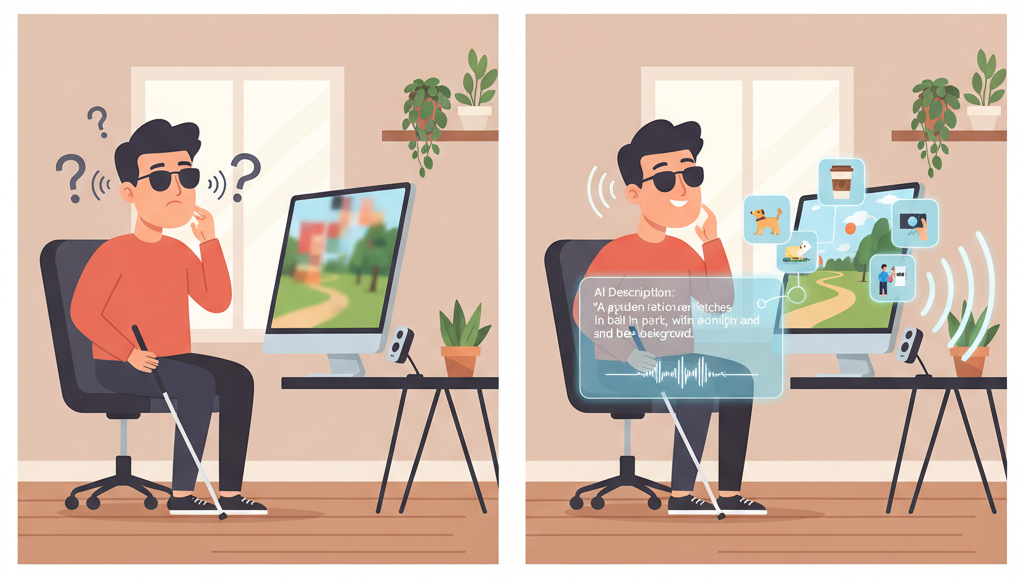
For people with visual impairments, navigating a website filled with images can be a real challenge. AI-powered image recognition helps here by analyzing pictures and converting them into detailed descriptions.
These audio descriptions explain what the image is about and how it fits into the page. It allows users who cannot see the image to still understand and interact with the content. Whether it’s a product image on an e-commerce site or a photo on social media, this technology opens up access in a way that was not possible before.
2. Automated Document Remediation

Manually reviewing and fixing documents for accessibility can be time-consuming and repetitive. AI-powered automated document accessibility tool streamlines many routine remediation tasks, reducing the overall time required by up to 80%.
Document remediation ensures that PDFs, Word documents, PowerPoint presentations, and other digital files can be easily read and used by people with disabilities. This is especially important in sectors like education, government, and healthcare, where large numbers of documents must be accessible to everyone. With AI, the process becomes faster, more accurate, and far less stressful.
3. Voice Recognition and Voice-Controlled Navigation
Voice recognition is a lifeline for people who cannot easily use their hands or arms. With AI-powered tools, they can control their devices using just their voice. From browsing the web to sending messages or opening apps, everything becomes more accessible.
This kind of technology is already built into smartphones, smart TVs, and computers. It brings independence and ease of use, especially for people with motor impairments.
4. Automated Accessibility Testing
Making websites accessible usually involves a lot of testing. AI can now do most of that heavy lifting. It scans websites for common accessibility issues like missing alt text, poor color contrast, or incorrect HTML tags.
It can even catch things like incorrect use of ARIA roles or bad link structures. Automated testing not only saves time but also ensures that digital content meets accessibility guidelines more consistently.
5. Personalized User Experiences

Everyone experiences the internet a little differently. Some people need larger text, others prefer high contrast or easier navigation. AI can track how someone interacts with a website and adjust settings automatically to suit their needs.
It might change the font size, simplify menus, or tweak the colors based on the user’s habits. This creates a smoother experience without the user needing to do much.
6. Natural Language Processing (NLP) for Simplified Content
Some websites and apps are full of complicated language that can be tough for people with cognitive challenges to follow. Natural Language Processing (NLP) helps clean that up. It scans the content, finds difficult phrases or poor structure, and suggests simpler ways to say the same thing.
This makes sure the information is clear, organized, and easy to understand for everyone. Businesses that use NLP can make their digital content more user-friendly and accessible to a wider audience.
7. AI-Powered Chatbots and Virtual Assistants
Chatbots have come a long way. Powered by AI, they now understand and respond to questions in a much more human-like way. For people with hearing, vision, or cognitive challenges, these virtual assistants offer a simple way to get help without needing to navigate through complicated menus or long forms.
They can guide users step by step, answer common questions, or even assist with filling out forms. And they’re available 24/7, which adds another layer of convenience.
8. Automated Captioning and Transcription
AI can quickly convert spoken words into text. This is commonly used for video captions and live transcriptions, helping more people understand and follow content in real time, including elearning videos and virtual sessions. Some tools can even detect tone or emotion in speech, making captions clearer and more meaningful.
For example, the Live Transcribe app on Android provides real-time captions during conversations. Tools like these make communication easier and help people stay connected in different situations.
Closing Thoughts
AI is helping more people access the digital world in ways that were not possible before. From reading images to understanding speech, it is removing many of the old barriers. As this technology keeps improving, it will continue to support those who need a bit of extra help. With time, the online world can become easier for everyone to access.

Emilie Brown works with the Content Marketing team at Continual Engine, a leading AI-based accessibility solutions provider, which enables organizations to create digitally accessible content in compliance with universal accessibility laws. Her approach and methodology are simple, concise, and to the point, and connect with readers seeking solution-driven content on topics related to accessibility and remediation. Apart from working, she loves to spend time with her dog, volunteer, and play her guitar.