

What is Feed-Forward Concept in Machine Learning?
A Feed-Forward Neural Network is a single layer perceptron in its most basic form. In this article, what is Feed-Forward concept in machine learning is discussed. Firstly, lets understand what…

What is Gradient Descent in Machine Learning?
One of the most popular optimization algorithms in machine learning is Gradient Descent algorithm. The main aim of this algorithm is to minimize the errors between actual and expected results…

Top 3 Machine Learning Frameworks in 2026
Machine learning is a field of Artificial Intelligence. In this article we are going to discuss about the top 3 machine learning frameworks in 2026. Also, other popular machine learning…
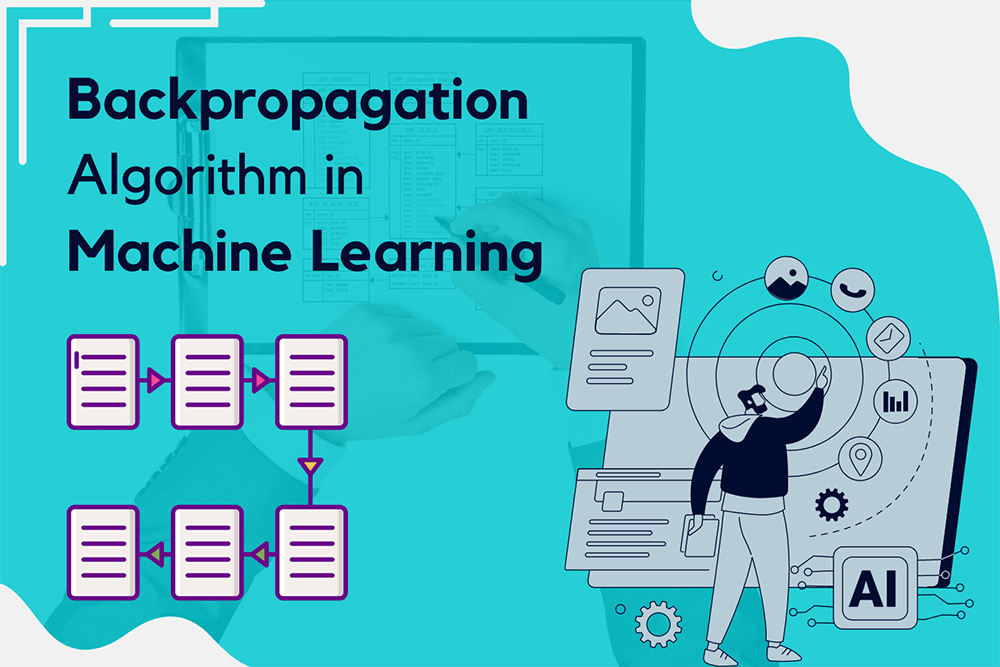
Backpropagation algorithm in Machine Learning
Backpropagation algorithm in machine learning is the algorithm which propagates back the error from the output node to input node or hidden nodes in machine learning. It is one of…

A comparison between Google Colab and Kaggle
Google Colab and Kaggle are two of the widely used platforms that provide the programming environments to its users. In this article, a comparison between Google Colab and Kaggle is…

Motion Detection with Path Tracking
Motion detection in video footage has always been an interesting topic among the Machine Learning enthusiasts. It has many purposes. Motion detection can be used for automatic video analysis in…
Annotation Converters for Object Detection
Data labelling is an important task in Machine Learning. The quality of data we feed in the model will determine how well our model performs. Image annotation is the process…
Multiclass Classification on Highly Imbalanced Dataset
Multiclass classification is a classification problem where more than two classes are present. It is a fundamental machine learning task which aims to classify each instance into one of a…
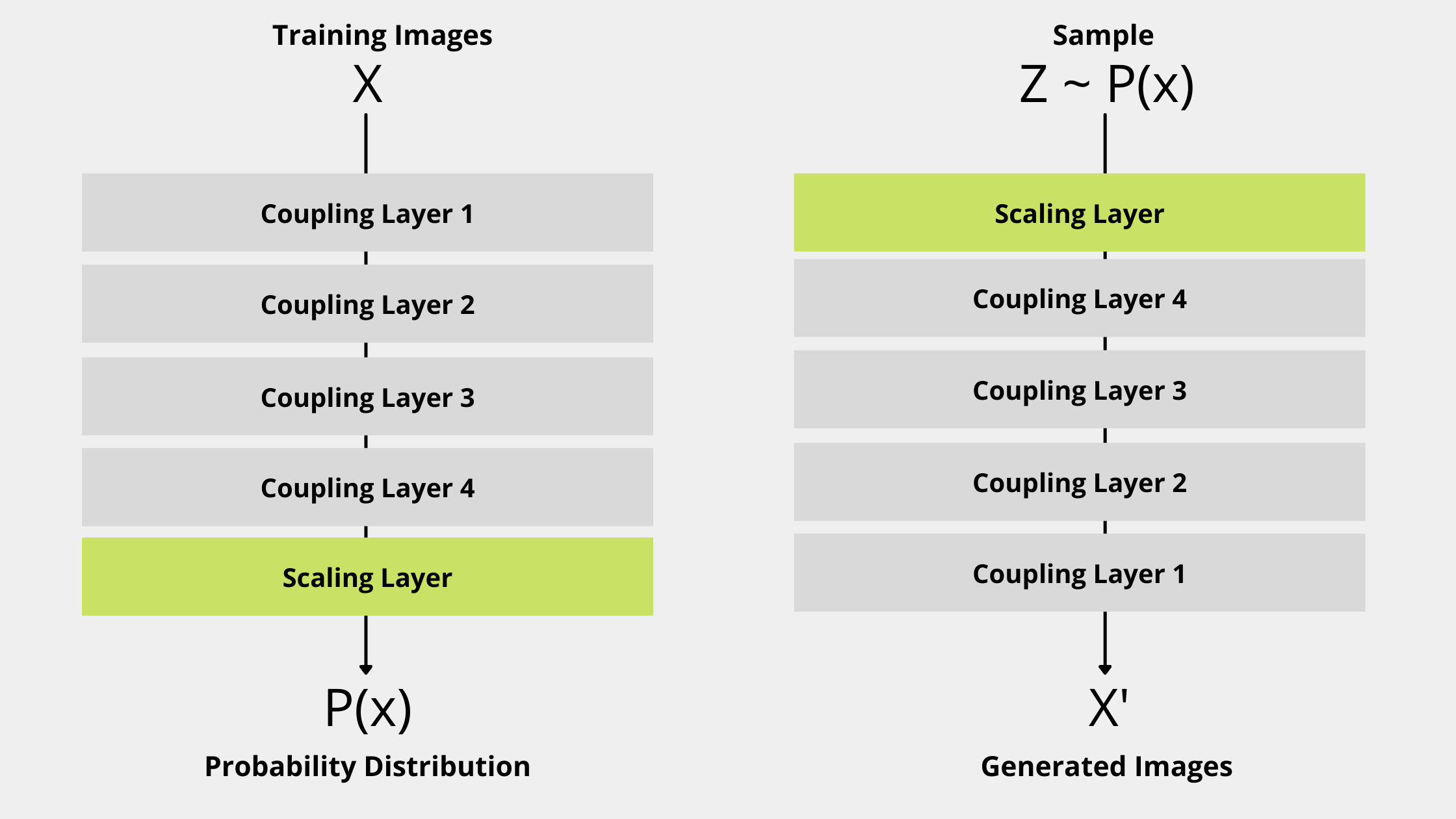
Implement Non-linear Independent Components Estimation with Tensorflow
Non-linear Independent Components Estimation is a normalizing flow-based generative model which is used to learn the probability distribution of the real samples and then generate the new sample data. This…
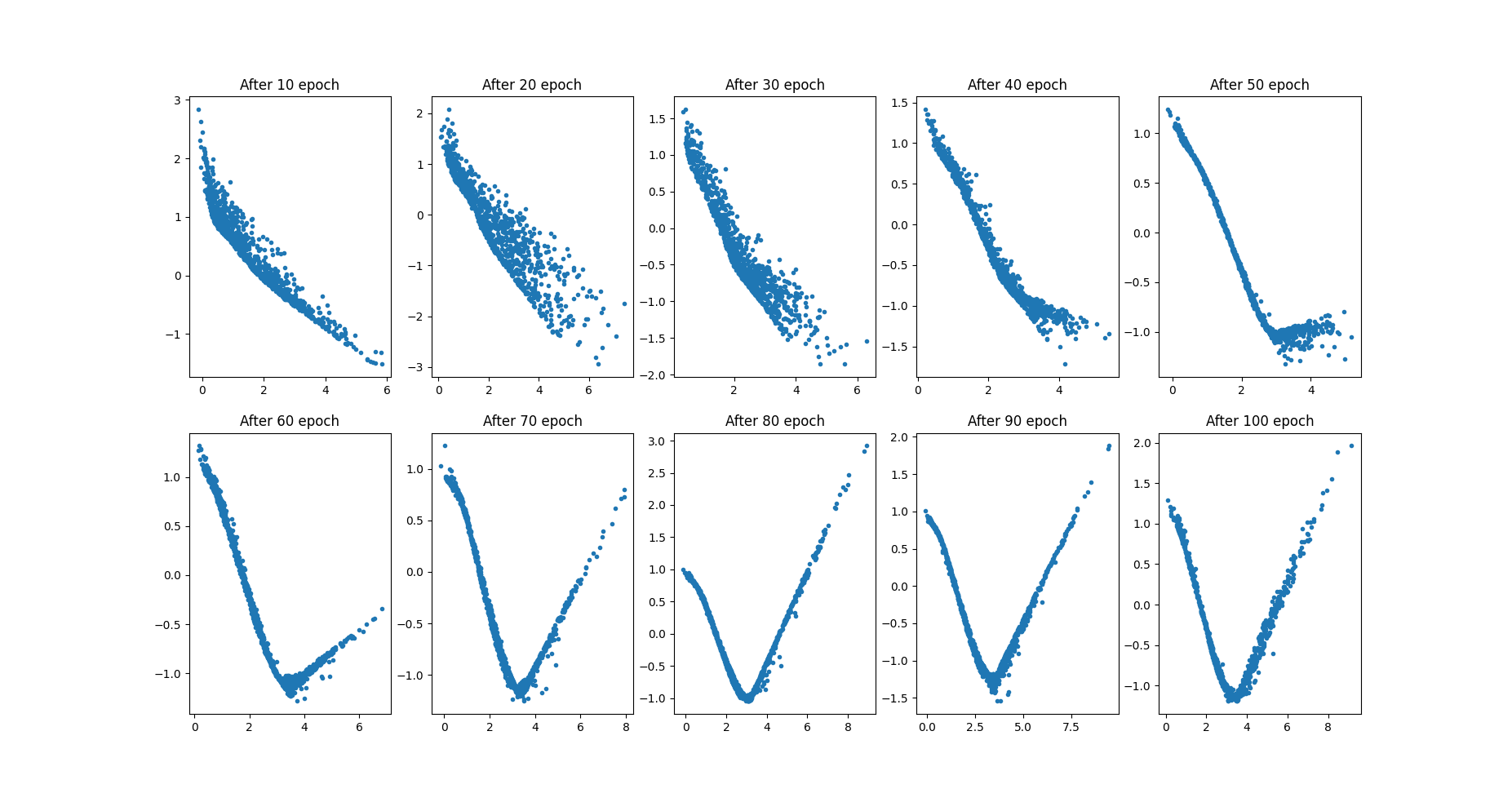
How to Program Generative Adversarial Network with Tensorflow 2.0
This guide is a hands-on tutorial to program a generative adversarial network with TensorFlow 2.0 to generate new data using the past data. We need to train two networks, Generator,…