
Introduction
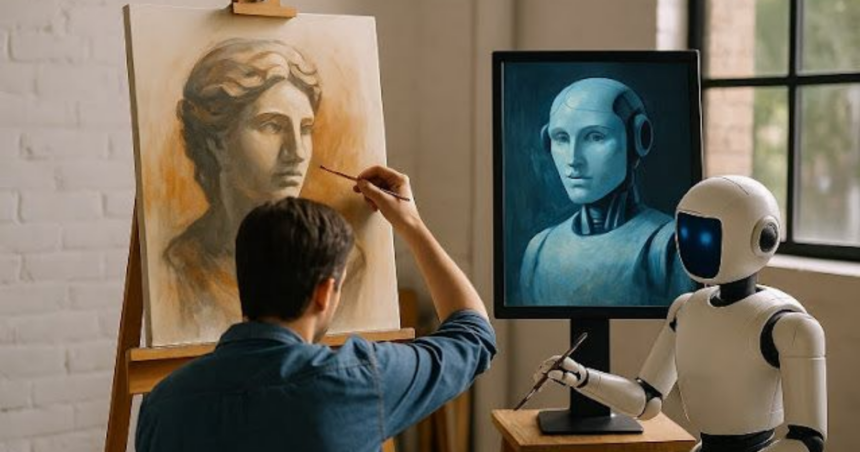
AI-generated art has become one of the most popular applications of artificial intelligence. Businesses, marketers, content creators, and designers now use AI tools to generate images for websites, social media campaigns, advertisements, print-on-demand products, and branding materials.
- Introduction
- Copyright Ownership Remains Unclear
- Risk of Copyright Infringement
- Licensing Restrictions and Terms of Service
- Trademark and Brand Infringement Risks
- Deepfakes and Identity Rights
- Ethical Concerns in AI Art
- International Legal Differences
- Risks of Using Free AI Art Generators
- How to Reduce Legal Risks
- Read Platform Terms Carefully
- Avoid Copyrighted Characters and Brands
- Add Human Creativity
- Keep Documentation
- Use Reputable AI Platforms
- The Future of AI Art and Copyright
- Conclusion
While AI art offers exciting opportunities, it also introduces a range of legal and ethical challenges. Questions surrounding copyright ownership, intellectual property rights, licensing agreements, and commercial usage continue to evolve as governments and courts adapt to rapidly advancing AI technologies.
Understanding the legal risks of using AI-generated art is essential for anyone planning to use AI-created images professionally or commercially.
Copyright Ownership Remains Unclear
One of the biggest legal concerns surrounding AI-generated art is copyright ownership.
Traditionally, copyright protection is granted to works created by humans. However, AI-generated content blurs the line between human creativity and machine-generated output. In many jurisdictions, copyright laws were written before generative AI existed, creating uncertainty about who owns AI-created artwork.
Questions that often arise include:
- Does the user own the artwork?
- Does the AI company retain certain rights?
- Is the artwork eligible for copyright protection at all?
- Can multiple users generate similar images?
The answers vary depending on the country, platform, and level of human involvement in the creative process.
Risk of Copyright Infringement
AI models are trained on massive datasets that may contain copyrighted images, illustrations, photographs, and artwork.
Although AI tools do not typically copy images directly, generated content can sometimes resemble existing works. This creates potential copyright infringement concerns, especially when AI-generated images are used commercially.
Businesses may face legal challenges if:
- An AI image closely resembles a copyrighted work.
- The artwork imitates a protected character or design.
- A generated image incorporates recognizable copyrighted elements.
To reduce risk, creators should review generated images carefully and make meaningful modifications before commercial use.
Licensing Restrictions and Terms of Service
Not all AI image generators offer the same usage rights.
Some platforms allow full commercial use, while others impose restrictions on how generated images can be sold, distributed, or monetized.
Before using AI-generated art commercially, review:
- Commercial usage permissions
- Ownership rights
- Resale restrictions
- Attribution requirements
- Subscription-based licensing terms
Failing to follow a platform’s licensing agreement could result in account suspension, content removal, or legal disputes.
Trademark and Brand Infringement Risks
Copyright is not the only concern. AI-generated images can also create trademark issues.
For example, an AI-generated design may unintentionally include:
- Company logos
- Brand names
- Product packaging
- Distinctive brand elements
Using such content in advertising, merchandise, or commercial products could lead to trademark infringement claims.
Businesses should always verify that AI-generated artwork does not contain protected brand assets before publication.
Deepfakes and Identity Rights
Modern AI tools can generate highly realistic human faces and celebrity-like images.
Using AI-generated likenesses without permission may violate:
- Privacy rights
- Publicity rights
- Personality rights
- Defamation laws
This risk becomes especially significant when images are used in advertising, marketing campaigns, or commercial products.
Creators should avoid generating images that closely resemble real individuals unless they have appropriate permission to do so.
Ethical Concerns in AI Art
Beyond legal considerations, AI-generated art raises ethical questions.
Many artists and designers argue that AI models are trained using existing creative works without adequate consent or compensation. As a result, some creators feel that AI-generated content benefits from the work of human artists without proper recognition.
Businesses can address these concerns by:
- Being transparent about AI usage
- Avoiding direct imitation of living artists
- Supporting original creative work
- Using AI responsibly and ethically
Maintaining transparency helps build trust with audiences and customers.
International Legal Differences
AI regulations vary significantly around the world.
Countries are taking different approaches to:
- AI copyright ownership
- Data usage regulations
- Intellectual property protections
- AI-generated content disclosure requirements
What may be legally acceptable in one country could be restricted in another.
Businesses operating internationally should stay informed about regional laws and regulatory developments to avoid compliance issues.
Risks of Using Free AI Art Generators
Free AI image generators may seem appealing, but they often come with additional risks.
Potential concerns include:
- Limited commercial usage rights
- Unclear ownership policies
- Restricted licensing terms
- Lower-quality moderation systems
Some free platforms reserve broad rights over generated content, which could affect your ability to use images exclusively.
For professional projects, it is generally safer to use reputable AI platforms with transparent licensing policies.
How to Reduce Legal Risks
While legal uncertainty remains, there are several best practices that can help minimize risk:
Read Platform Terms Carefully
Always review licensing agreements and commercial usage policies before using AI-generated images.
Avoid Copyrighted Characters and Brands
Do not generate content featuring recognizable trademarks, logos, characters, or protected intellectual property.
Add Human Creativity
Edit and customize AI-generated images to create unique content rather than relying solely on raw outputs.
Keep Documentation
Save prompts, edits, and creative workflows. Documentation may help demonstrate human contribution to the final artwork.
Use Reputable AI Platforms
Choose established AI providers that clearly explain ownership rights and licensing terms.
The Future of AI Art and Copyright
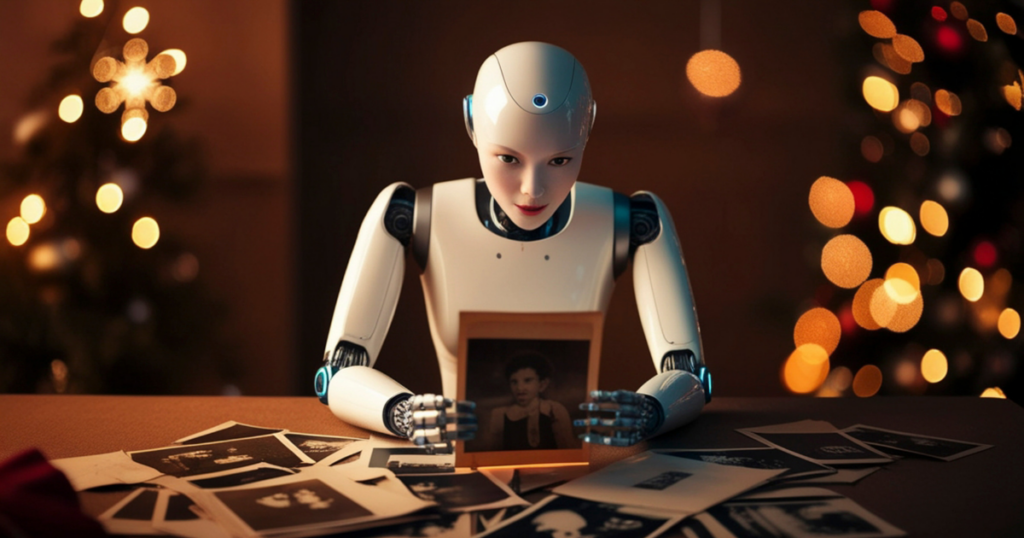
Governments, courts, and regulatory agencies worldwide are actively examining how existing intellectual property laws apply to AI-generated content.
As legal frameworks evolve, creators and businesses can expect:
- Clearer copyright guidelines
- Updated licensing standards
- Greater transparency from AI providers
- New regulations governing AI-generated content
Staying informed about these developments will become increasingly important for anyone using AI-generated art professionally.
Conclusion
AI-generated art offers remarkable opportunities for creators, marketers, and businesses. It enables faster content creation, reduces design costs, and unlocks new forms of creativity. However, these benefits come with legal responsibilities.
Copyright uncertainty, licensing restrictions, trademark concerns, deepfake risks, and international regulatory differences all present challenges that users must understand before commercializing AI-generated content.
By using reputable platforms, following licensing requirements, avoiding protected intellectual property, and maintaining ethical practices, businesses can take advantage of AI-generated art while reducing potential legal exposure.
As AI technology continues to evolve, staying informed about changing laws and industry standards will be essential for long-term success.

Dinesh Suthar is an AI and technology writer who explores the latest trends in artificial intelligence, emerging tools, and digital innovation. He simplifies complex tech topics into practical insights for businesses, marketers, and tech enthusiasts.