

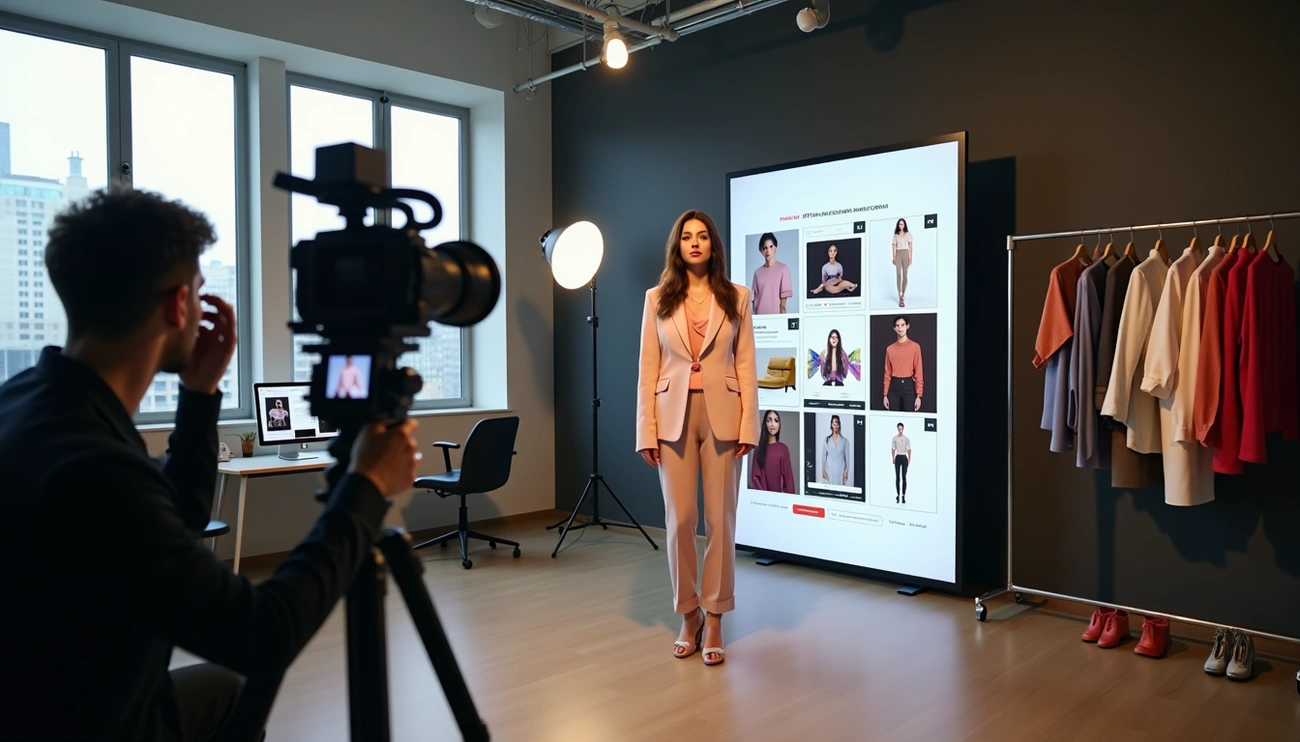
Social media fashion trends have changed the industry, and 69 percent of consumers now trust influencer recommendations more than traditional advertising. This digital transformation has changed how fashion brands connect with their audiences and promote their products.
- The digital shift in fashion marketing
- Influencers and creators as brand drivers
- Platform-specific strategies for 2024
- Challenges and the path forward
- Conclusion
- FAQs
- 1. What are the key digital marketing strategies for fashion brands in 2024?
- 2. How has social media impacted fashion marketing?
- 3. Why are micro-influencers becoming more popular in fashion marketing?
- 4. What role does sustainability play in modern fashion marketing?
- 5. How is AI transforming fashion marketing?
The influence of social platforms goes beyond just marketing channels. Instagram brought a revolution in fashion communication that moved power from magazines to algorithms. Trends now emerge through selfies, scrolls, and instant digital interaction. Social media’s effect on fashion trends shows in the rapid rise and fall of styles. TikTok’s video format can create microtrends within days that vanish in weeks. The data reveals that 69 percent of brands use TikTok for influencer marketing collaborations, while 47 percent choose Instagram and 33 percent opt for YouTube.
Content creators and influencers now dictate new collections almost weekly, which has sped up the industry’s pace. Consumers look to bloggers and social media personalities instead of seasonal runway shows. These new style leaders have effectively replaced traditional magazines. This transformation has especially helped ultra-fast fashion brands grow through strategic collaborations with influencers.
The digital shift in fashion marketing
From print to pixels: how fashion went online
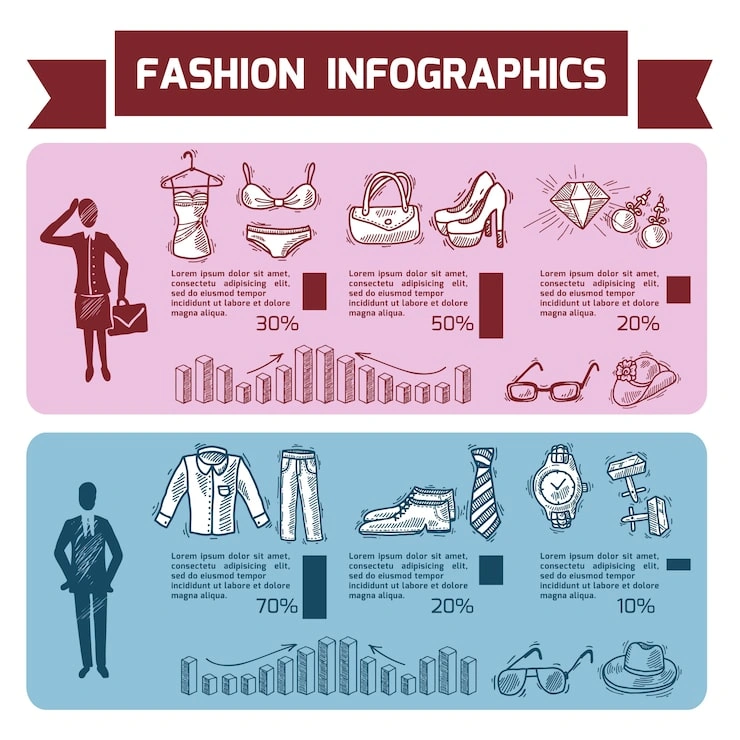
Fashion has undergone a complete change from exclusive print magazines to digital platforms now available to anyone with internet access. Elite magazines and seasonal shows once ruled the fashion world, but today’s digital world looks nothing like it did before. E-commerce fashion sales now grow three times faster than traditional store sales. The global apparel market shows this digital rise with projections to grow from $1.19 trillion in 2020 to $1.79 trillion by 2025.
Brands had to build a reliable online presence—first to compete, and now as their main storefront. One executive captured this perfectly: “We’ve accomplished two years of digital transformation in two months” during the pandemic. This move helped brands surpass geographical limits and reach worldwide audiences without traditional media costs or retail setup.
The rise of social media in fashion
Social media platforms now drive fashion marketing. These platforms help brands sell products, build awareness, and turn engagement into sales. Instagram works as a virtual runway where 81% of users look up products and services. US teenagers agree – 73% say Instagram offers the best way brands can reach them with new fashion items and trends.
Gen Z members spend about 4.5 hours each day on social media, while Millennials use it for 3.8 hours. Brands have moved their marketing money accordingly—57% of media spending now goes to online channels. These platforms create a two-way street that deepens a brand’s commitment to consumers through direct involvement.
Why digital-first is now the default
The pandemic sped up what was bound to happen: digital-first became essential, not just an option. Lockdowns pushed 43% of consumers who had never bought clothes online to start doing so. The future looks digital too – 30% of Gen Z and 36% of Millennial consumers plan to shop less at physical stores than before.
E-commerce has become so vital that many successful brands thrive without physical stores. Social media and e-commerce now join to create smooth shopping experiences where people find and buy products without leaving the platform. This mix of content and commerce lets brands capture impulse buys while building lasting relationships.
Fashion marketers face a clear reality: accept new ideas or risk falling behind. A fashion executive put it well: “In today’s highly competitive fashion environment, social media marketing is no longer just an advertising tool—it is essential for visibility, innovation, and sustained growth”.
Influencers and creators as brand drivers

Influencers have become powerful agents of change in the fashion industry. They’ve transformed how brands connect with their audiences. The numbers prove their worth, with influencer marketing showing an average ROI 6.5 times higher than traditional advertising methods.
Micro vs macro influencers: who delivers better ROI?
The data tells an interesting story about influencer tiers. Micro-influencers (10,000-100,000 followers) consistently beat their macro counterparts (100,000-1 million+ followers) in engagement metrics. These smaller creators typically generate 3-8% engagement rates, which is by a lot more than the 1-2% average for macro-influencers. Brands now prefer these niche creators 10× more than celebrity influencers. They’re more economical too – at £0.16 per engagement compared to £0.26 for macros, these creators save brands 40% per interaction. All the same, macro-influencers still prove valuable for broad awareness campaigns and instant credibility.
Authenticity and relatability in influencer content
Authenticity has become the life-blood of successful influencer marketing. An Edelman Trust Barometer study shows that 61% of consumers trust influencers more than brand-produced content, especially when creators genuinely use and enjoy the products they promote. This trust matters more now as 68% of people feel frustrated with too many sponsored posts on social platforms. Unlike celebrities with professional styling teams, influencers come across as everyday people. They mix high-end pieces with affordable finds that their followers can easily copy.
Collaborations and co-created collections
Brands now go beyond traditional endorsements. They team up with influencers to create collections together. These deeper partnerships grab consumer attention and turn followers into customers effectively. One blogger put it well: “Who I cooperate with reflects my own image and the persona I want to establish”. The best partnerships happen naturally – when both sides share similar values and esthetics. These team-ups bring fresh viewpoints, with influencers adding innovative ideas that appeal to their communities.
Platform-specific strategies for 2024
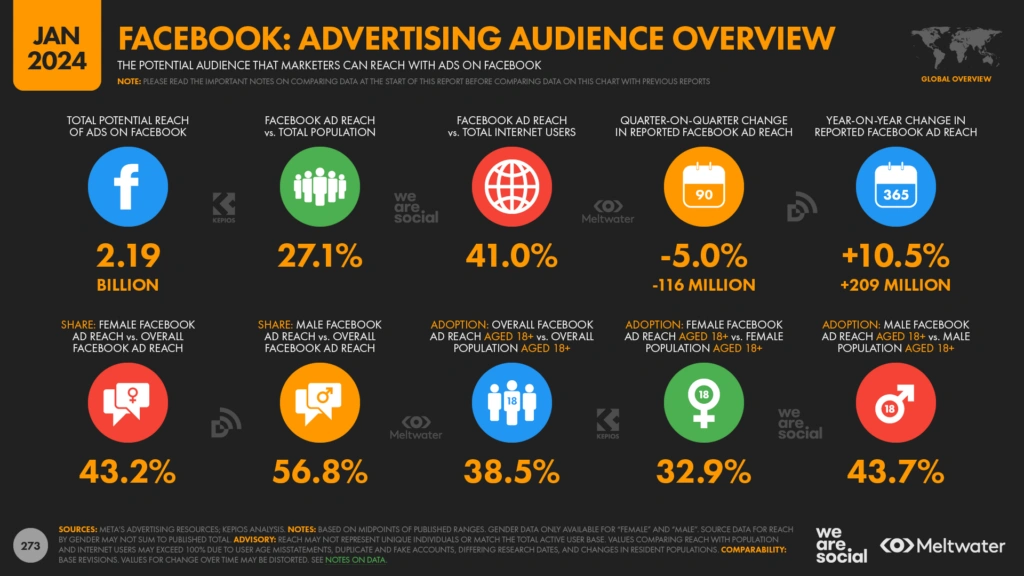
Social media platforms give fashion brands different ways to reach their audience in 2024. Each platform needs its own strategy that matches how people use it and what they expect to see.
Instagram: polished visuals and shoppable posts
Instagram leads the fashion world on social media and gets 57% of Media Impact Value in the US. Brands do well here by telling visual stories, launching products, and building customer loyalty. Right now, Instagram is the best place to find fashion products. Mobile-created story ads work better than professionally produced content, with call-to-action stories winning 89% of the time.
TikTok: viral trends and short-form storytelling
TikTok’s growth has been amazing with a 122% year-over-year jump in Media Impact Value, which is nowhere near Instagram’s 18%. Its influence on fashion has shot up 147% year over year, making it the second most meaningful industry in the FLB sector. Gen Z makes up 70% of users, and TikTok creates viral fashion trends through creator content that brings in about 75% of the platform’s value. The #tiktokfashion hashtag has got over 80.2 billion views.
Pinterest: mood boards and evergreen inspiration
Pinterest works as fashion’s digital mood board where brands can share lasting inspiration through visual content. The platform helps brands create their visual identity and keep it consistent. Fashion mood boards are a great way to get your brand’s look right and spark seasonal ideas. About 70% of Pinterest users find new products while browsing, 90% say it helps them decide what to buy, and 66% purchase items after seeing brand pins.
YouTube: long-form content and haul culture
YouTube still brings in 16% of US Media Impact Value in 2024, even with TikTok’s popularity. Long videos work best here, including designer interviews, behind-the-scenes footage, and product hauls. “Haul videos” have become huge with over 21.5 million videos of this type. These videos show off new purchases and change how people shop, often getting millions of views.
Emerging platforms: BeReal, Threads, Lemon8
New platforms are changing how fashion brands communicate. BeReal shows unfiltered, behind-the-scenes content that Gen Z loves. Threads launched in 2023 and got 30 million users in just days. It lets people talk about fashion through text posts. Lemon8 takes the best parts of Instagram and Pinterest to create a space for beauty, fashion, and lifestyle inspiration. The app became the ninth most downloaded in the US App Store by March 2023.
Challenges and the path forward
Every trending hashtag reveals complex challenges that the fashion industry needs to tackle. Social media fashion trends move at breakneck speed, creating several critical problems that need our attention.
The fast fashion dilemma
The digital age has pushed fast fashion to new heights. Clothing production doubled between 2000-2015, while clothes don’t last as long as they used to. People throw away most items after wearing them just 7-10 times. This business model hurts our planet badly—it makes up 10% of global carbon emissions, which is more than international flights and shipping combined. Smart retailers like Rapanui now use informed production models that match supply with what people actually buy.
Overconsumption and trend fatigue
The endless social media content loop makes people buy more than ever. The average consumer bought 60% more clothes between 2000-2014, and global textile use will likely jump 63% by 2030. Each person throws away about 37kg of textiles yearly, adding to the massive 92 million tons of textile waste each year. Research shows that wearing clothes twice as long—from 30 to 60 times—cuts their carbon footprint in half.
Sustainability and ethical marketing
Ethical marketing has become crucial as awareness grows. About 70% of young shoppers think about sustainability before buying. The industry doesn’t deal very well with being genuine—65% of fashion buyers say they care about the environment but rarely make sustainable choices while shopping. Trailblazing brands like Patagonia, People Tree, and Stella McCartney show how transparent practices work. They know that empty promises without proof quickly destroy customer trust.
The rise of virtual influencers and AI tools
AI changes how fashion marketing works today. Right now, 62% of marketers either use or plan to use AI influencers. The virtual influencer market should grow from £4.81 billion to £36.44 billion by 2030. AI creates tailored campaigns and better operations, but raises concerns about representation, authenticity, and possible job losses for human talent. Still, AI helps sustainability through material analysis and better demand prediction.
Conclusion
Fashion marketing has changed dramatically in the last decade. Social media platforms now act as vital runways where brands connect directly with consumers. Traditional print media and seasonal shows have taken a back seat, making digital-first strategies a must for fashion brands to stay relevant and grow.
Fashion marketing’s success now relies heavily on real partnerships with content creators. Micro-influencers are a great way to get better results, especially when you have higher engagement rates and better ROI than celebrity endorsements. Their authenticity strikes a chord with audiences who are tired of overly polished content.
Each platform needs its own strategy. Instagram leads the pack through visual storytelling and shoppable features. TikTok creates viral fashion moments at incredible speed, particularly among younger audiences. Pinterest serves as a source of timeless inspiration, while YouTube enables deeper brand storytelling through long-form content.
These opportunities come with major challenges. Social media trends accelerate fast fashion, which raises serious environmental concerns. Overconsumption patterns don’t deal very well with sustainability goals, even as consumers show growing interest in ethical practices. AI tools might offer solutions but raise questions about authenticity.
Fashion brands that balance state-of-the-art technology with environmentally responsible practices will thrive.
Brands that build genuine connections across platforms, cooperate thoughtfully with creators, and tackle sustainability head-on are set for success. The future of fashion marketing isn’t just about new technologies – it’s about using them to promote meaningful relationships and positive industry change.
FAQs
1. What are the key digital marketing strategies for fashion brands in 2024?
The key strategies include leveraging social media platforms like Instagram and TikTok, collaborating with influencers (especially micro-influencers), creating shoppable content, using video marketing, and focusing on authentic, relatable content that resonates with target audiences.
2. How has social media impacted fashion marketing?
Social media has revolutionized fashion marketing by shifting power from traditional media to digital platforms. It has accelerated trend cycles, enabled direct brand-consumer communication, and made influencers key drivers of fashion trends and purchasing decisions.
3. Why are micro-influencers becoming more popular in fashion marketing?
Micro-influencers (10,000-100,000 followers) are gaining popularity because they offer higher engagement rates (3-8%) compared to macro-influencers (1-2%). They’re also more cost-effective, with lower costs per engagement, and their content is often perceived as more authentic and relatable.
4. What role does sustainability play in modern fashion marketing?
Sustainability has become a crucial factor in fashion marketing. About 70% of younger consumers consider sustainability before purchasing. Brands are increasingly adopting transparent practices and ethical marketing strategies to address growing environmental concerns and meet consumer demands for responsible fashion.
5. How is AI transforming fashion marketing?
AI is reshaping fashion marketing through virtual influencers, personalized campaigns, and improved operational efficiency. The virtual influencer market is expected to grow significantly by 2030. AI also offers sustainability benefits through material impact analysis and demand forecasting, although it raises questions about authenticity and potential displacement of human talent.

Sandeep Kumar is the Founder & CEO of Aitude, a leading AI tools, research, and tutorial platform dedicated to empowering learners, researchers, and innovators. Under his leadership, Aitude has become a go-to resource for those seeking the latest in artificial intelligence, machine learning, computer vision, and development strategies.