

AI image generation is now the most powerful (and also among the least difficult to access) creative tool for beginners. In short, what was once the realm of sophisticated graphic design and costly software can now be accessed anywhere by anyone who is simply given a text prompt. Couple it with blogging, digital marketing, entrepreneurship, or content creation, and AI images can assist you in creating great visuals in minutes.
Companies like Open AI, Mid journey and Adobe have created powerful AI tools that can generate beautiful, professional-looking images based on text descriptions. This total beginner guide is an exhaustive walk-through of how to make AI-generated images in 2026, including tools, prompts used, step-by-step instructions and expert tips for the best results.
If you are new to AI-generated imagery, this SEO-optimised article will give you a basic understanding so that you know exactly how to start creating amazing visuals with confidence.
What is AI image generation?
AI image generation is the act of computers creating images based upon written descriptors—often called text-to-image prompts.
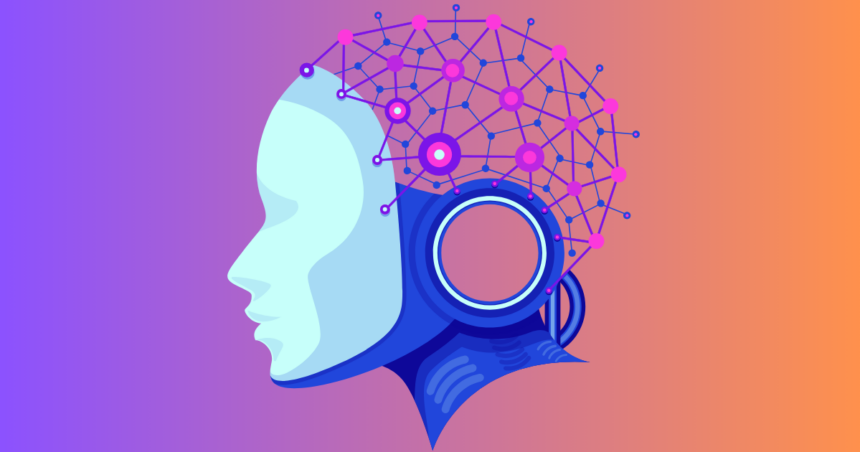
The year is 2026; the AIs that generate pictures are pretty smart. They are able to emulate photographic styles of work, digital art, oil paintings, filmic lighting and even photo realistic portraits. The underlying algorithms are based on deep learning models and neural networks trained and optimized for these specific tasks.
Why AI Image Generation Matters in 2026
The era of AI image generation as a novelty is now officially over. 2026 It has become a vital tool for all companies and digital creators around the world. Businesses rely on AI-created visuals for marketing campaigns, social media tendering, adverts, product mock ups, and website graphics.
One of the primary benefits is speed. No more hours spent creating or looking for graphics, and no more need to hire a graphic designer. These results in a very large savings of production time and expense.
Another important factor is customization. With AI, makers can generate distinct visuals that are reflective of their brand. What makes it different from stock imagery is that AI-generated content can be tailored the whole way.
In an environment of heavy digital competition, compelling imagery is essential for catching the eye. Beginners and pros are now filmmakers, thanks to AI. Image Generation: Here’s how AI-generated tools are transforming the way that we play, design and create.
Top AI Image Generation Tool in 2026
For newbies, getting the right AI image generator tool is a first step. In the year 2026, few software platforms have established supremacy by virtue of their facilities, such as ease-to-use functionality.
Open AI provides state-of-the-art large-scale image generation models capable of realistic output and strong prompt conditioning. Their tools are utilized across a wide range of commercial and creative projects.
By far the most popular among artists and designers is Madness Mid journey for their movie-style work. It’s great for concept art and imaginative scenes.
Adobe also has AI image features embedded in its creative ecosystem, which means that you can create and edit images like a professional with the following editing tools.
Each platform offers pricing, features and capabilities that vary by platform. Introduction Novices have to take such parameters into consideration as user feasibility, quality of the output, types of customisation that can be done and legal factors while selecting a tool.
Here’s How to Create AI Images in 2026
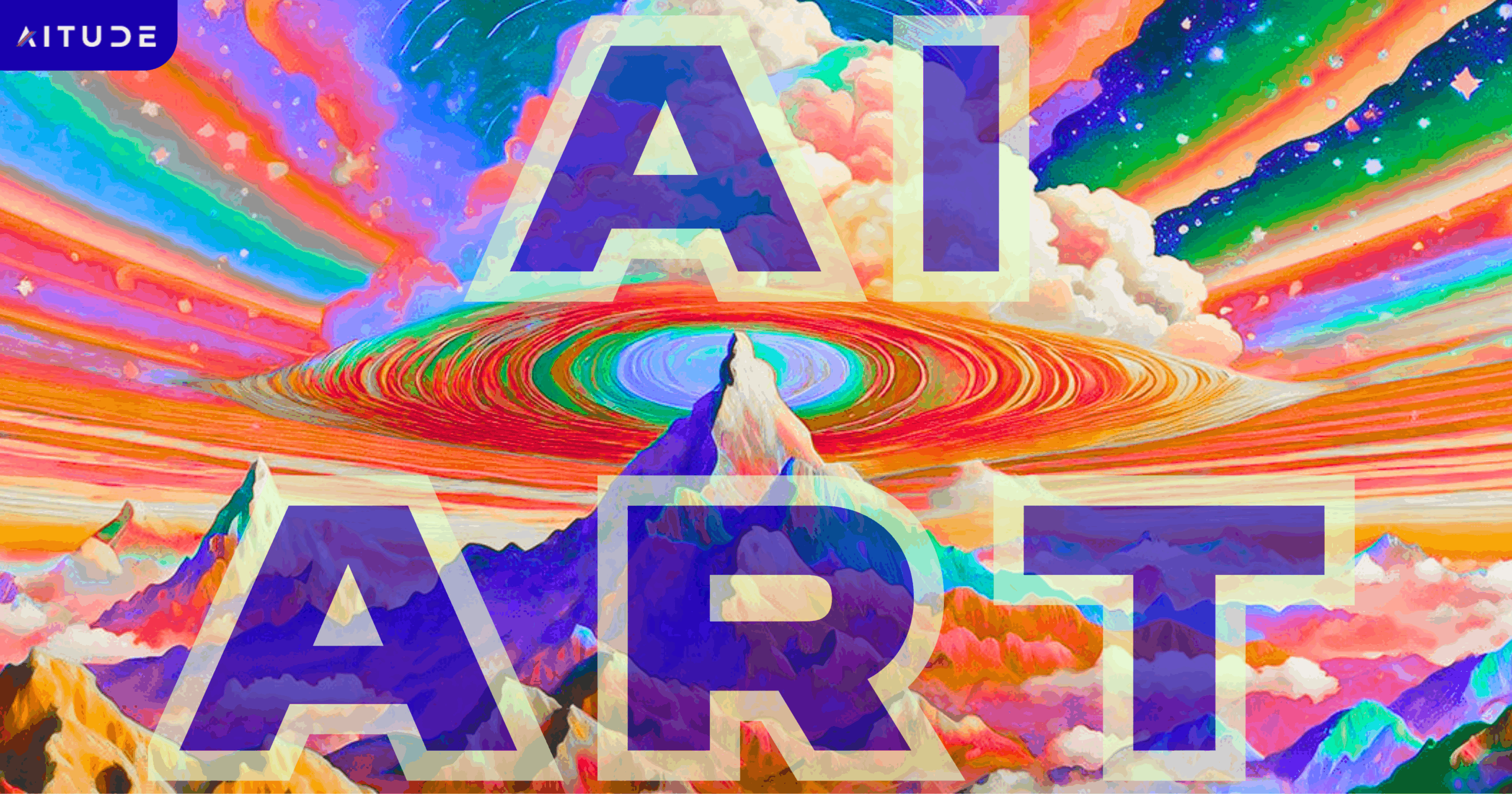
It’s easy to create AI images in 2026 by now, but a systematic approach will lead to better outcomes. Pick the AI image generation service that suits your purpose. Once you’ve registered, something will appear in which you can put your description.
Second, word a prompt that is explicit and specific. Don’t just say something easy like “a dog”; give me more information, such as “golden retriever—sitting in a park during sunset—soft natural lighting—shallow depth of field—ultra-realistic photography.” The more detailed your prompt, the better it is.
Thirdly, choose image settings like resolution, aspect ratio and style (if applicable). Now many platforms provide trap doors such as cinematic mode, portrait orientation or artistic rendering styles.
Build the image and check the output. If it isn’t, tweak the prompt by adding or altering some of the specifics. Generating images with AI can be hit-or-miss.
Finally, grab the image file in your format of choice and touch it up as needed with either the program’s built-in tools or the image editor of your choice.
Writing Strong AI Imaging Prompts
Creative engineering is a helpful skill to have in 2026. A well-crafted prompt results in quality AI-generated images.
Key to a good prompt is that it has the theme, setting, style, lights, angle camera and mood quality. For instance, if you like an image to have a fantasy feel, you can indicate features such as “dramatic lighting,” “high detail,” “cinematic composition,” or “digital art style.”
You also have the option of negative prompts to be used as blacklisting elements like blur and distortion, low resolution or wasted items. This helps sharpen output.
Experimentation is key. Change the wording while describing light or the different artistic style to see how AI reacts. The more you use this and get to know the phraseology it works well with, the more you will speak like an AI model.
Common Mistakes Beginners Should Avoid
A common mistake among beginners is the use of too broad a prompt. Brief descriptions will often yield a rather general description and thus a low-detailed rendering. Being specific is essential.
Another rookie mistake is trying to get it perfect on the first try. AI-based image generation sometimes needs several iterations before generating an acceptable result.
You could also get into trouble if you ignore licensing and copyright terms. Real Usage ALWAYS read the platform usage policies before using AI-generated images for commercial use!
And complicating prompts with lots of conflicting instructions can also baffle the AI model. Make your descriptions detailed but organized.
Applications of AI Image Generation in 2026
Synthetic photos created by AI are already widely used by industry. Bloggers use them for featured images and info graphics. Social media influences dominate headlines. You Tubers design engaging thumbnails.
E-commerce companies create product mock ups without costly photo shoots. Developers will sketch out the game’s concept art. AI visuals are being used by marketing agencies for advertisements and branding campaigns.
The other advantage is in the preparation of visual learning material by the schools, making complicated things seem simple to understand.
AI image generation is considered one of the most useful digital tools of 2026 because it can be used in so many ways.
The Future of AI-Generated Images Post 2026
The future of AI image generation appears even brighter. And our features are predicted to continue transforming digital creativity, thanks to improvements in real-time rendering, 3D scene generation and integration of augmented reality.
Soon AI systems may even start adjusting to a user’s personal style and brand preferences on their own. The ultra-realistic results and interactive editing capabilities can be expected as standard.
As AI technology progresses, we expect that the creative possibilities will keep growing—from creating individual image generation systems more quickly to making them smarter and more personal.
Conclusion
The ability to create AI pictures in 2026 is a useful skill both for the layman and experts. And with the right platform, strong prompts and regular experimentation, even people without design skills can produce striking visuals.
AI image generation is a time- and cost-efficient process, unlocking creativity for every industry across verticals. If you learn the tools and techniques of writing great prompts, you’ll be able to tap into this amazing tool.
The sooner you start practising, the sooner you can not only keep up with digital trends but also build marketable skills in content production, marketing and online business. The future of visual imagination is taking shape and AI is at the forefront.

Shruti Roy is a content writer at Aitude, where she writes easy-to-understand articles on artificial intelligence, AI tools, and emerging tech trends. She focuses on creating helpful, practical content that makes complex AI topics simple for everyday users.