The way people learn, develop professional skills, and access information has changed significantly over the past few years. Online education, digital communities, and interactive learning platforms have made knowledge more accessible than ever. Now, artificial intelligence is introducing another major shift by helping educators, students, and professionals create more engaging learning experiences.
- Making Complex Information Easier to Understand
- Improving Educational Materials Through AI Image Creation
- Bringing Lessons to Life With AI Video Technology
- How Independent Educators Can Develop Better Learning Experiences
- Challenges of Introducing AI Into Education
- The Future of Learning in an AI-Powered World
- FAQs
- 1. How is AI changing online learning?
- 2. How can educators use AI to create educational content?
- 3. What are the benefits of AI-generated educational videos?
- 4. Can AI image generators help students learn?
- 5. What are the challenges of using AI in education?
- 6. Will AI replace teachers in the future?
- 7. How can independent educators use AI effectively?
From personalized study materials to interactive demonstrations, AI-powered technologies are changing how information is developed and presented. These advancements are particularly valuable in an environment where people increasingly prefer flexible learning methods and visual explanations.
Making Complex Information Easier to Understand
One of the biggest challenges in education is explaining complicated subjects in a way that different audiences can understand. Traditional learning materials often depend heavily on written explanations, which may not always communicate difficult concepts effectively.
AI is helping educators explore alternative ways to present information. They can develop illustrations, animated examples, visual demonstrations, and other learning resources that make abstract topics easier to understand.
For example, a science instructor explaining the solar system could use AI-generated visuals to demonstrate planetary movement, while a business trainer could create visual scenarios to explain marketing strategies.
These approaches can make learning materials more interactive and easier to follow.
Improving Educational Materials Through AI Image Creation
Visual learning plays an important role in helping people process and remember information. Diagrams, illustrations, and educational graphics can make complicated subjects more approachable.
An AI image generator allows educators and content developers to create customized visual materials using descriptive text prompts.
Instead of searching through large collections of stock images, instructors can explore visuals that directly match their lessons.
Some practical applications include:
- Educational illustrations: Creating visuals that explain scientific, historical, and technical concepts.
- Presentation materials: Developing graphics for lectures, workshops, and professional training sessions.
- Online courses: Producing original images that support individual learning modules.
- Infographics: Turning important information into visually organized content.
- Creative assignments: Helping students explore visual storytelling and artistic concepts.
These capabilities can also benefit independent educators who want to develop professional-looking learning resources without extensive design experience.
Bringing Lessons to Life With AI Video Technology
Written explanations and static images are useful, but some subjects are easier to understand through demonstrations and storytelling.
Video-based learning allows instructors to combine visuals, narration, and movement to explain processes step by step.
An AI video generator can support this approach by transforming written instructions, images, and creative references into video content.
For instance, a language instructor could develop short animated scenarios to demonstrate everyday conversations. Similarly, a technology educator could create introductory videos explaining how different digital systems work.
Other useful applications include:
Professional Training: Developing short instructional videos for workplace learning programs.
Online Tutorials: Turning written guides into visual demonstrations.
Language Learning: Creating scenarios that help learners understand conversations and different situations.
Historical Education: Presenting historical events through creative visual storytelling.
Technical Learning: Demonstrating processes that may be difficult to explain through text alone.
These possibilities allow educators to experiment with different teaching formats and make their materials more engaging.
How Independent Educators Can Develop Better Learning Experiences
Creating educational content requires more than presenting information. Instructors must organize their lessons, understand their audience, and choose appropriate formats for communicating different ideas.
AI can support this process by helping educators develop complementary learning materials.
A practical workflow could include:
- Define the learning objective: Identify what students should understand after completing a lesson.
- Organize the material: Divide complex subjects into smaller, manageable topics.
- Develop supporting visuals: Create illustrations, diagrams, and other relevant graphics.
- Produce video explanations: Turn important concepts into short visual demonstrations.
- Review educational accuracy: Verify that all generated materials communicate correct information.
- Collect feedback: Understand which formats help students learn more effectively.
Using platforms such as OpenArt, educators can explore different creative approaches to producing visual learning materials and experimenting with AI-powered content.
Challenges of Introducing AI Into Education
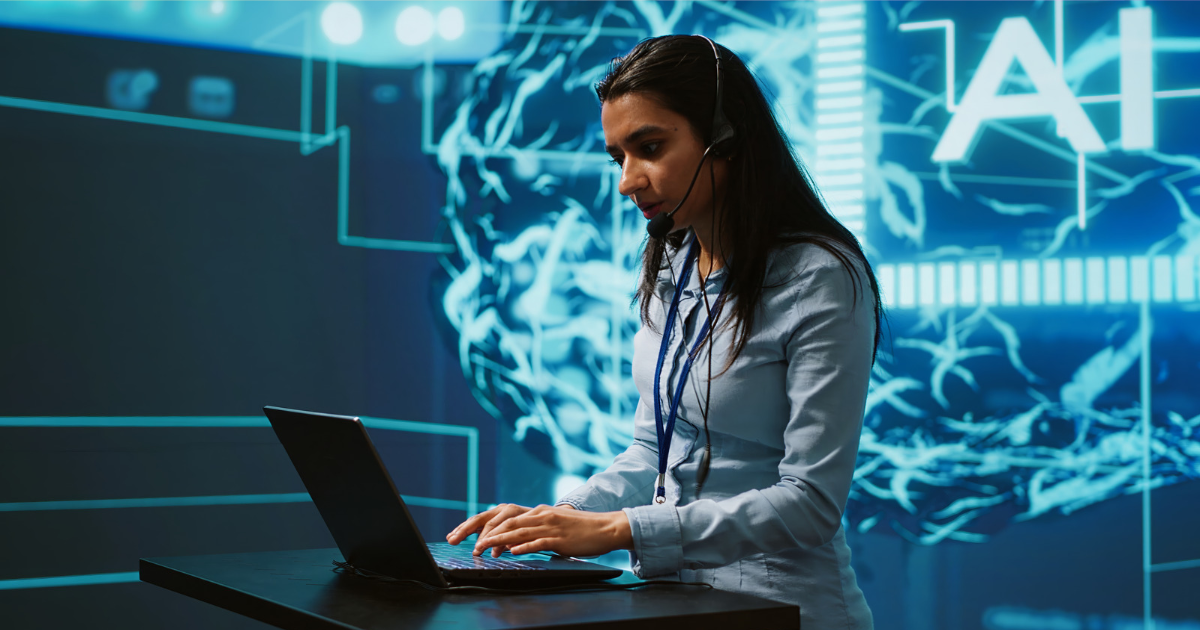
Despite its potential, AI should be introduced into educational environments thoughtfully.
One important concern is information accuracy. AI-generated educational materials should always be reviewed to ensure that they communicate reliable information.
Another consideration is accessibility. Learning resources should be designed to accommodate different abilities, devices, and levels of technical experience.
Educators should also consider the following:
- Protecting student privacy when using AI-powered platforms.
- Avoiding excessive dependence on automated learning materials.
- Maintaining originality in assignments and educational projects.
- Reviewing generated visuals for misleading or inaccurate details.
- Ensuring that AI supports critical thinking rather than replacing it.
Human guidance remains essential for creating meaningful educational experiences.
The Future of Learning in an AI-Powered World
Artificial intelligence is creating new opportunities for educators and learners to explore information through different formats. As these technologies continue to develop, personalized educational experiences, interactive demonstrations, and customized learning resources may become increasingly common.
Students could benefit from visual explanations tailored to their learning requirements, while instructors could spend less time preparing repetitive materials and more time supporting individual learners.
However, effective education will always depend on curiosity, critical thinking, and the ability to evaluate information.
The real opportunity lies in combining technological capabilities with thoughtful teaching methods. By using AI to make information more accessible and engaging, educators can create learning experiences that better reflect the needs of a changing digital world.
FAQs
1. How is AI changing online learning?
AI is making online learning more interactive through personalized study materials, visual explanations, AI-generated videos, and customized educational resources.
2. How can educators use AI to create educational content?
Educators can use AI tools to generate illustrations, infographics, video demonstrations, presentation graphics, and visual learning materials.
3. What are the benefits of AI-generated educational videos?
AI-generated videos can simplify complex topics, demonstrate processes visually, and make educational content more engaging and easier to follow.
4. Can AI image generators help students learn?
Yes. AI image generators can create customized illustrations, diagrams, and visual explanations that help students understand abstract concepts.
5. What are the challenges of using AI in education?
Common challenges include information accuracy, student privacy, accessibility, originality, and the risk of excessive dependence on AI-generated materials.
6. Will AI replace teachers in the future?
AI can support teaching by automating repetitive tasks and creating learning resources, but human educators remain essential for guidance, critical thinking, and meaningful learning experiences.
7. How can independent educators use AI effectively?
Independent educators can use AI to organize lessons, create supporting visuals, develop instructional videos, and improve learning materials while reviewing generated content for accuracy.

Sandeep Kumar is the Founder & CEO of Aitude, a leading AI tools, research, and tutorial platform dedicated to empowering learners, researchers, and innovators. Under his leadership, Aitude has become a go-to resource for those seeking the latest in artificial intelligence, machine learning, computer vision, and development strategies.