
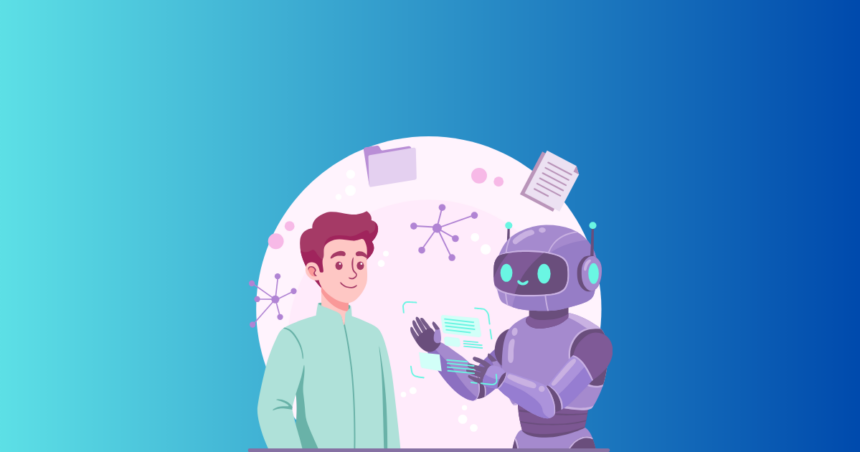
Health insurance business is evolving rapidly and artificial intelligence is the focal point of the evolving business. By 2026, AI-driven solutions will no longer be an experimental instrument, yet a subset and an element of the modern insurance processes. The rising healthcare costs, the application of the digital Health Insurance technologies, and the necessity of the customers to obtain faster services have forced the insurers into introducing the intelligent solutions. The AI is revolutionizing the policy making process, claims handling and risk assessment and customer experience delivery.
The History of the AI in Health Insurance
In the year 2026, AI has assisted in improving the accuracy of underwriting. The traditional underwriting was grounded on incomplete information on Health Insurance and broad categories of risk. In the present day, AI models have been trained on high-resolution data sets that include medical history, prescription history, lifestyle trends and preventive care history.

Complicated algorithms are more accurate and quick at risk evaluation. This leads to fairer premium rates and also biased decision making. In the vast majority of cases, the time of approval is minimized to several minutes as AI-based underwriting shortens the process that otherwise takes the days. The customers benefit by getting faster on boarding and the insurers save on the administrative cost, as well as human error.
Real-Time Claims Processing
The work of 2026 claims processing is incredibly automated through the use of AI systems. When a medical record is submitted, machine learning algorithms instantly review and confirm eligibility, insurance, and authenticity of the medical record of a policy holder when they submit a claim.
The invoices and medical reports have their information extracted using optical character recognition technologies and compared to the policy terms using intelligent automation. The simple claims take a few minutes to be granted and minimal waiting time is experienced.
Advanced Fraud Detection
Fraud is now taking a sophisticated dimension in the AI-enhanced health insurance. The data of claims is subject to constant surveillance of the AI systems in order to identify anomalies and unusual factors. Predictive analytics models analyze the risk of fraud before a payment is issued.
The relationships between the providers, patients, and billing codes are analyzed with the help of the network analysis tools to determine the organized schemes of fraud. Medical records and unstructured documents are checked with the help of NLP and inconsistencies are identified.
By the year 2026, fraud prevention is largely proactive. This will enable the insurers to eliminate cases of fraudulent claims in real time and save finances and maintain the premium rates as fair on the honest policyholders.
Custodial Plans of insurance
Automation one of the features of AI-powered health insurance is personalization. Policies are never uniform packages that are attractive to huge numbers of people. AI will assist insurers come up with plans that are individualistic in relation to the acts and motions of individuals.
Health tracking apps and smartwatches has the potential to provide real-time status of activities, sleeping patterns, and heart rates. This information can be used to offer personalized recommendations, wellness benefits, and changes to premiums using the AI.
As an example, people who can be rewarded or have benefits offered to them in the form of reduced premiums are healthy people. At the same time, individuals who are at a greater risk of Health Insurance are provided with particular support and prophylaxis. It will foster health behavior and come up with a dynamic insurance model.
Anticipatory and Preventive Healthcare
In 2026, AI-driven health insurance will be far more focused on prevention. Early avenues of chronic diseases such as diabetes, hypertension or heart disease are determined using predictive models.
The insurers implement these insights to prescribe screenings, lifestyle changes, or Health Insurance visits. Intervention at an early age would help to save long term medical bill and enhance patient outcome. Instead of compensating when one falls sick, insurers are engaged in preventive measures to keep the body in good health.
Such preventative orientation strengthens the correlation between the insurers and the policyholder and the insurance providers become engaged as the associates of the overall well-being.
Expanded Client Experience
The demands of the clients continue to increase in computerized age. Virtual colleagues and chatbots that are manufactured are used to provide robotized 24/7 assistance, which is personalized. These frameworks respond to the request of approach, provide support to the claims after and present the scope of minor aspects in a straightforward language.
In 2026, context-aware and more advanced conversational AI will occur. It can process complex questions and provide individualized responses on the profile of persons. This will reduce dissatisfaction and augment transparency.
Minimization of Efficiency and Taken a toll in Operations
AIs are a glorified method of increasing the efficiency of processes within wellbeing shield companies. Automated forms are also used to conduct schedule obligations such as compliance and confirmation and information section of records. This reduces the regulatory burden and liberates the representatives to focus on priority work.
Data privacy and Ethics
On the one hand, the frameworks based on AI have many points of interest, which should be secured correctly. Wellbeing data is highly delicate and the assurances have to play a role in feasible cybersecurity refines in order to protect personal data.
The other serious concern regarding the use of AI in 2026 is the common use of AI. Guarantees should make sure that it is not predisposed in computations and is not difficult. This should be openly guided by consistent perception and following directions to ensure that there is equity and believe among individuals.
Governments and regulatory specialists are devising more express methods to guide the implementation of the AI in the wellbeing protections sector. The future success of the AI-based development will rely on the effective implementation of it.
The Future Viewpoint Past 2026
With the development of AI, the usage of AI in health insurance is set to increase further. Real time Health Insurance tracking, predictive diagnostics and inbuilt digital health ecosystems will become simple choices.

Conclusion
The 2026 AI-hyped health insurance would represent a drastic shift in the manner in which the business is carried out. The age is defined by smart writing, immediate claims, advanced detection of frauds and tailored policies. Preventive care and enhanced customer experiences are also manifested as transformative power of artificial intelligence.
As technology advances AI will keep taking center stage in innovation that will make the industry smarter and healthier.

Dinesh Suthar is an AI and technology writer who explores the latest trends in artificial intelligence, emerging tools, and digital innovation. He simplifies complex tech topics into practical insights for businesses, marketers, and tech enthusiasts.