

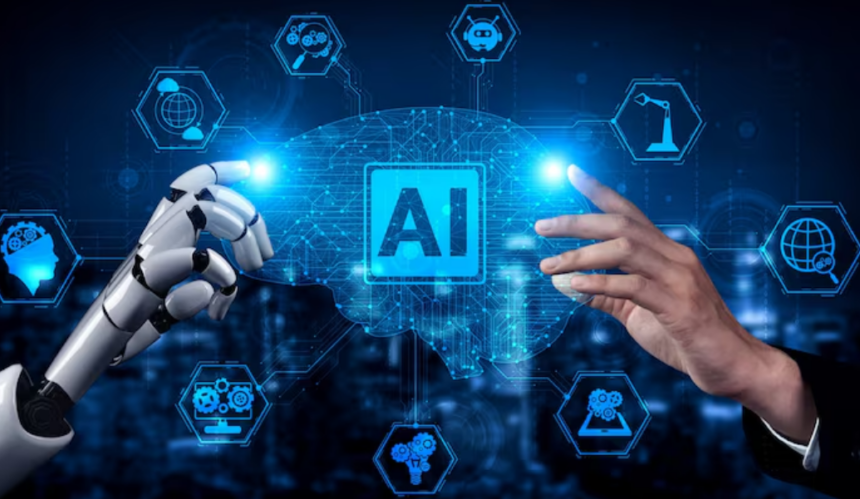
Have you ever thought about how your phone seems to understand what you want even before you finish typing, or how apps keep suggesting things that actually match your interests?
- How AI Is Becoming a Part of Daily Technology
- 1. Smarter Smartphones
- 2. Better Search Results
- 3. Personalized Recommendations
- 4. Voice Assistants
- 5. Improved Camera Features
- 6. Smart Home Devices
- 7. Faster Customer Support
- 8. Better Navigation and Maps
- 9. Email Filtering and Smart Replies
- 10. Online Learning Support
- 11. Health and Fitness Tracking
- 12. Language Translation
- Where You See AI in Daily Life
- To Sum Up
Showcases Style3D Knit, a solution for designing and simulating knitwear with precision, enabling faster development and reduced sampling.
By integrating advanced 3D knitting capabilities, designers can visualize textures, patterns, and garment behavior in real time, improving accuracy while streamlining the overall product development workflow.
That’s artificial intelligence working quietly in the background and making daily technology feel more natural.
AI has become part of regular life without most people even noticing it. From mobile phones to apps and smart devices, it helps improve how things work and makes everyday tasks easier to manage.
How AI Is Becoming a Part of Daily Technology
Artificial intelligence is now built into many tools people use every day. It helps systems learn from behavior, adjust automatically, and provide better results without extra effort.
Let’s look at some simple and real ways AI is changing everyday technology.
1. Smarter Smartphones
Smartphones today are much more than calling devices. AI studies how you use your phone and adjusts settings like brightness, battery usage, and app suggestions. It also helps with features like face unlock and voice typing, making the experience smooth and quick.
2. Better Search Results
Search engines now understand intent instead of just matching keywords. When you type or speak a question, AI helps deliver more accurate and useful results. This makes finding information faster and more relevant.
3. Personalized Recommendations
Apps for shopping, movies, and music use AI to suggest content based on your habits. This saves time and helps people find things they actually like. It feels more personal because the system learns from your choices.
4. Voice Assistants
Voice assistants can answer questions, set alarms, and even control home devices. They understand natural language and respond clearly. This makes it easy to interact with technology without touching a screen.
5. Improved Camera Features
Phone cameras now use AI to adjust lighting, detect faces, and improve image quality. Features like portrait mode and night photography work automatically, helping people take better pictures without needing technical skills.
6. Smart Home Devices
Smart home devices learn your routine and adjust settings based on your preferences. Lights can turn on when you enter a room, and security systems can monitor activity in real time. This adds comfort and convenience to daily living.
7. Faster Customer Support
Many websites and apps now use AI chat systems to answer questions instantly. These systems understand common queries and provide helpful responses. This saves time and allows users to get quick support whenever needed.
In some cases, AI is also used in platforms that guide people through complex decisions, including financial tools where users explore options like the best consumer proposal when managing structured repayment plans in a simple and guided way.
8. Better Navigation and Maps
Navigation apps use AI to analyze traffic patterns and suggest faster routes. They provide live updates, estimate travel time, and help avoid delays. This makes commuting more predictable and less stressful.
9. Email Filtering and Smart Replies
AI helps organize emails by filtering unwanted messages and highlighting important ones. It also suggests quick replies, which makes communication faster and easier, especially during busy days.
10. Online Learning Support
Learning platforms use AI to understand how users study and suggest lessons based on progress. This allows people to learn at their own pace and focus on areas where they need improvement.
AI is also helping digital platforms simplify access to region-specific services. For example, some systems can guide users through structured financial options like a consumer proposal in Ontario by presenting information in a clear and easy-to-understand format.
11. Health and Fitness Tracking
Fitness apps and wearable devices use AI to track daily activity, sleep, and health patterns. They provide useful insights that help people stay active and maintain a balanced routine.
12. Language Translation
AI makes it possible to translate text and speech in real time. This helps people communicate across languages easily, making conversations smoother and more accessible.
AI is also being used to simplify access to support services online. Some platforms use intelligent systems to guide users toward solutions, such as bankruptcy help, by explaining steps clearly and reducing confusion during decision-making.
Where You See AI in Daily Life
AI is already present in many tools people use every day. Here is a simple overview of how it fits into daily technology.
| Area | How AI Helps |
| Smartphones | Learns usage and improves performance |
| Entertainment | Suggests content based on interest |
| Navigation | Provides live traffic updates |
| Communication | Filters emails and suggests replies |
| Home Devices | Adjusts settings automatically |
| Learning | Tracks progress and suggests lessons |
How AI Makes Technology Easier to Use
Technology feels more natural today because AI reduces manual effort. Devices now adjust based on your habits, which saves time and makes daily use simple.
For example, typing suggestions, automatic brightness control, and personalized content all work quietly in the background. This creates a smooth experience without needing constant input from users.
How AI Supports Daily Routines
AI fits into everyday routines without adding extra steps. It helps with reminders, scheduling, and organizing daily tasks. From setting alarms to tracking travel time, it supports small but important activities.
It also helps people stay organized by providing timely notifications and suggestions. This makes daily life feel more structured and manageable.
To Sum Up
Artificial intelligence is becoming a natural part of everyday technology. It improves how devices function, helps people save time, and makes daily tasks feel easier to handle. As more tools include AI, the overall experience continues to feel simpler, more helpful, and connected.

Sandeep Kumar is the Founder & CEO of Aitude, a leading AI tools, research, and tutorial platform dedicated to empowering learners, researchers, and innovators. Under his leadership, Aitude has become a go-to resource for those seeking the latest in artificial intelligence, machine learning, computer vision, and development strategies.