
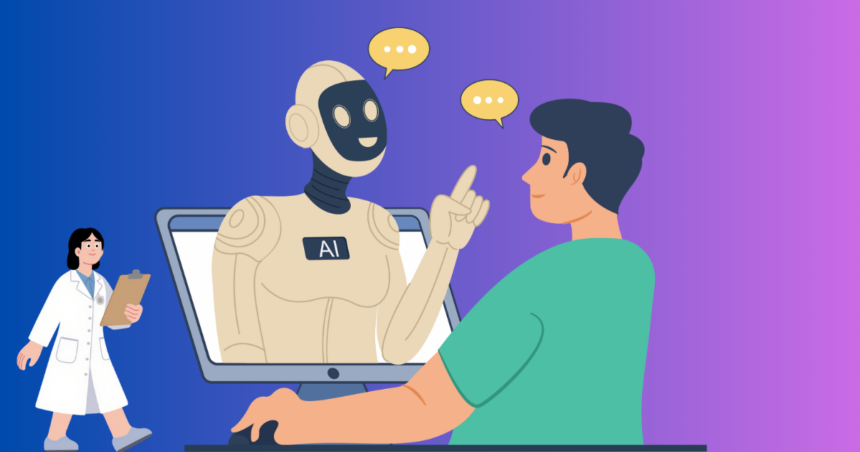
Artificial intelligence is steadily becoming an essential support tool for clinicians who manage large volumes of documentation, session notes, and patient insights. As healthcare organizations continue to face rising demands for efficiency and accuracy, many are turning to AI systems that can help streamline administrative work and improve the clarity of clinical narratives. These technologies are not intended to replace human judgment. Instead, they aim to give clinicians more time for meaningful patient interaction and more confidence that their documentation captures what matters most.
How AI Accelerates the Note Creation Process
One of the most immediate benefits clinicians experience with AI is the reduction of time spent creating and organizing notes. Many providers report that documentation burdens contribute significantly to burnout, often adding hours of work to already demanding schedules. AI systems that can transcribe sessions, structure key points, and organize relevant clinical observations give clinicians a running start on documentation. This means less time spent typing after hours and more time available during patient care windows. The shift can be particularly meaningful in high volume practices where even small improvements in workflow add up quickly.
Extracting Key Themes From Complex Conversations
Clinical conversations often contain layers of emotional, behavioral, and contextual detail. Sorting through this information after a session can be challenging, especially when providers must move immediately into the next appointment. AI tools can analyze recorded or transcribed conversations and highlight recurring themes that may be clinically relevant. These themes might relate to mood patterns, stressors, changes in behavior, or shifts in patient motivation. The clinician can then review these signals and decide what carries meaningful weight. The result is a more efficient path to identifying trends that could otherwise take multiple sessions to fully recognize.
Supporting Clinical Consistency and Reducing Documentation Gaps
Even the most experienced clinician can occasionally overlook a detail while documenting a complex session. AI can assist by flagging portions of a conversation that relate to treatment goals, risk factors, or progress indicators. When used appropriately, these systems help ensure that critical elements are not lost in the transition from dialogue to written record. They also help encourage consistency across sessions, which strengthens the quality of longitudinal care. Some organizations have introduced tools that provide structured prompts or recommended categories, yet the clinician maintains full control over what is included, revised, or removed.
Enhancing Clarity and Communication Within Care Teams
Modern healthcare often relies on interdisciplinary collaboration. Clear communication within care teams is essential for managing patient treatment plans. AI assisted documentation tools can help clinicians produce notes that are easier for colleagues to interpret without losing important nuance. When summaries are more readable and organized, coordination improves. This becomes especially helpful in settings where multiple practitioners rely on shared knowledge, such as integrated behavioral health programs or collaborative medical practices. The systems are capable of refining text to support clearer communication while preserving clinical accuracy, which helps teams stay aligned.
Integrating New Tools Into Established Workflows
As AI solutions become more widely adopted, clinicians and healthcare organizations are finding ways to integrate them smoothly into existing processes. Some tools can be used during sessions, while others work best after the fact. Many platforms are designed to protect privacy and security and follow strict compliance requirements so that patient data remains protected. For clinicians, this adoption phase often comes with a learning curve, yet the long term value tends to outweigh the adjustment. In many cases, practitioners describe these tools as partners that help them stay organized and perform their work with greater confidence. This is also where supporting technologies, such as AI-assisted clinical notes, demonstrate their value by helping maintain accuracy and consistency without adding unnecessary complexity to the clinical workflow.
Conclusion
AI is shaping a new era of documentation and analysis within clinical practice. By helping clinicians summarize sessions, highlight recurring themes, and strengthen the quality of written notes, these tools contribute to more efficient workflows and clearer communication across care teams. When implemented thoughtfully, AI supports clinicians rather than replacing the essential human elements of patient care. It offers a path to more focused, meaningful work and provides assistance with administrative tasks that can otherwise be overwhelming.

I’m Erika Balla, a Hungarian from Romania with a passion for both graphic design and content writing. After completing my studies in graphic design, I discovered my second passion in content writing, particularly in crafting well-researched, technical articles. I find joy in dedicating hours to reading magazines and collecting materials that fuel the creation of my articles. What sets me apart is my love for precision and aesthetics. I strive to deliver high-quality content that not only educates but also engages readers with its visual appeal.