


If you plan to scale your sales workflow and drive more revenue in 2026, you can’t afford to rely on manual processes alone. You need AI sales assistants built to move fast, handle volume, and convert conversations into outcomes.
But since you’re here, you probably know that already.
So let’s talk about the AI sales assistants that are delivering results for businesses already.
Many AI tools sound impressive but barely move the needle. Some assist with notes. Others automate emails. Only a few actually engage leads, qualify intent, and generate revenue.
That’s what this list is about.
Below, we break down 10 of the top AI agents modern sales teams are using to close faster, recover lost deals, and scale without burning out their reps.
1. Pete & Gabi
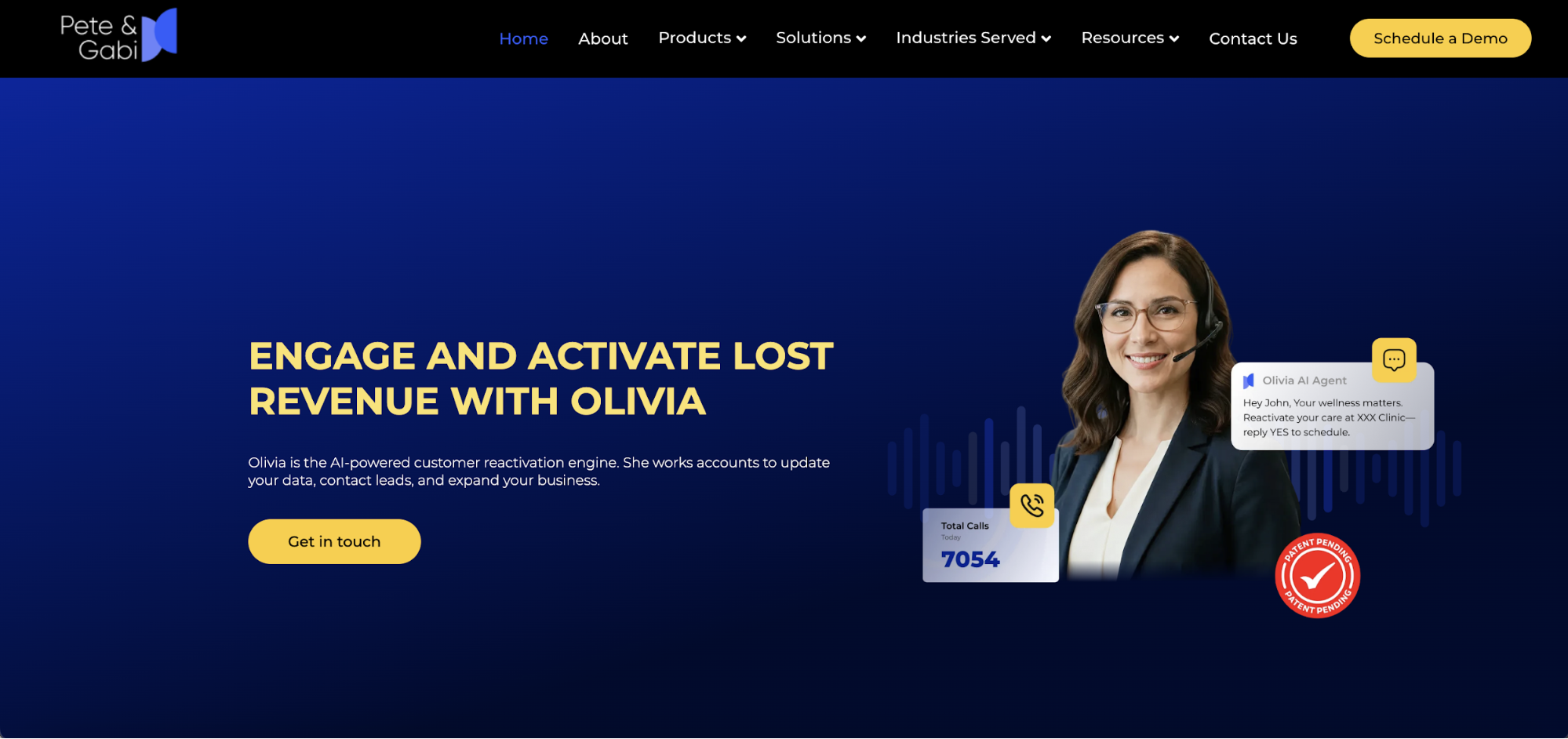
Pete & Gabi isn’t just a number on this list—it’s a revenue recovery and pipeline acceleration engine powered by conversational AI.
Built specifically for high-stakes sales operations, the platform delivers powerhouse AI sales agent, Olivia, who handles customer reactivation and lead qualification at scale.
Unlike generic AI assistants, Olivia adapts her approach based on each customer’s tone, needs, and history. She engages existing customers, qualifies new leads, and pitches offers with natural, human-like conversation quality to keep your pipeline moving 24/7.
And the best part? Every conversation syncs to your CRM automatically, with hot prospects being routed to your sales team with full context.
Pete & Gabi offers sales teams speed, scale, and revenue boosts that manual-only processes cannot match.
Key features:
- Natural conversations that adapt
- Personalized messaging across 15+ languages
- Real-time objection handling and sentiment analysis
- Native CRM integration with automated data syncing
- 24/7 outreach across global time zones
- Seamless handoff to human reps with full conversation context
Best for:
Sales teams that need to recover lost revenue, scale outbound at speed, and deploy AI that sounds human and actually closes deals.
2. Thoughtly
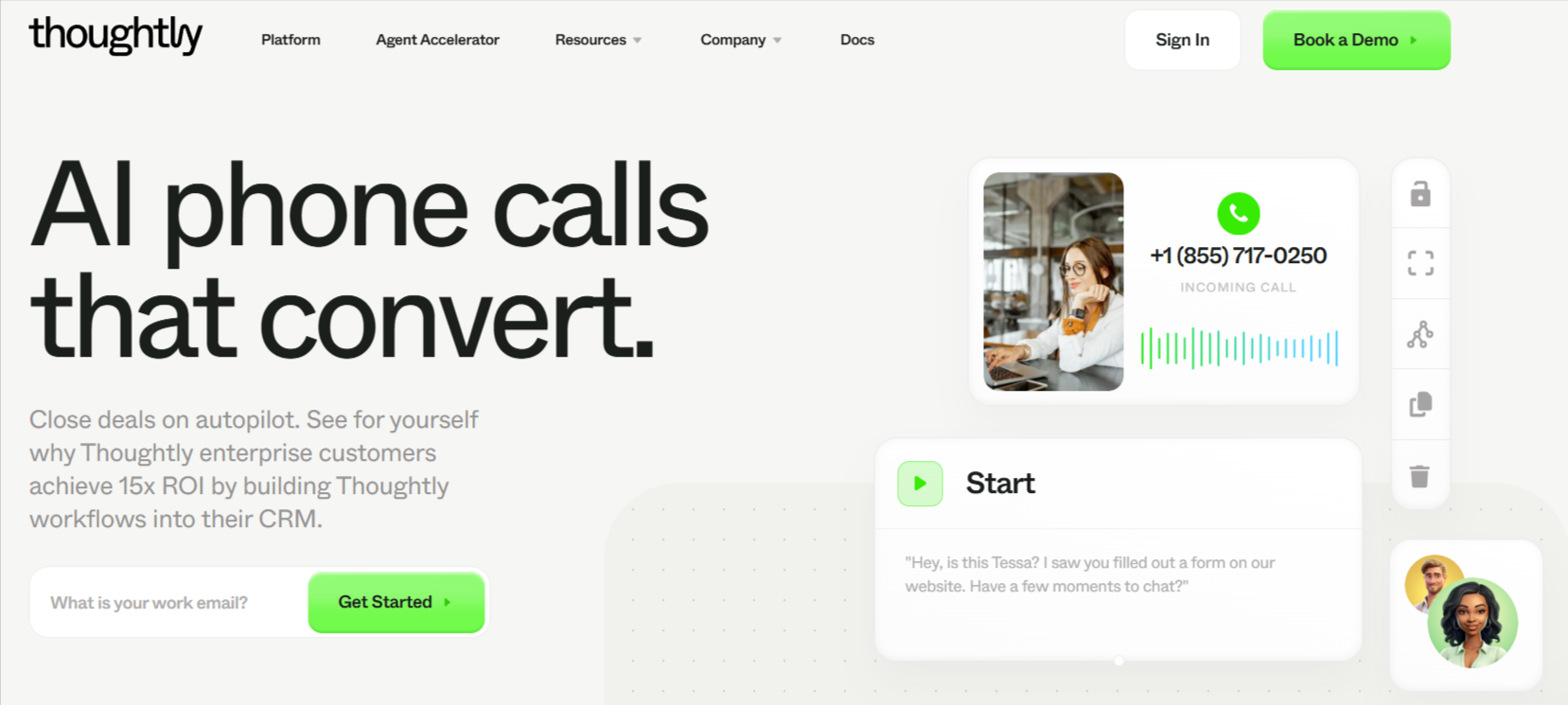
Thoughtly is an enterprise AI voice agent platform built to run phone conversations in production environments.
Thoughtly enables organizations to deploy voice agents that understand intent, manage multi-step interactions, and execute workflows during live calls. Thoughtly’s agents connect directly to existing systems, follow defined routing logic, and operate within security and compliance controls designed for enterprise use.
Thoughtly is used by teams that need voice AI to perform consistently under high call volumes, complex routing requirements, and sensitive data conditions.
Key features:
- Real-time AI voice conversations with multi-turn context and intent detection
- Integrated workflow execution across CRMs, calendars, ticketing systems, and internal APIs
- Structured call routing, escalation logic, and human handoff controls
- Enterprise-grade security, compliance, and scalable infrastructure
Best for:
Enterprises and high-growth teams that require AI voice agents to operate reliably inside real business workflows where integration depth, operational control, and data security are important.
3. CallAgent AI
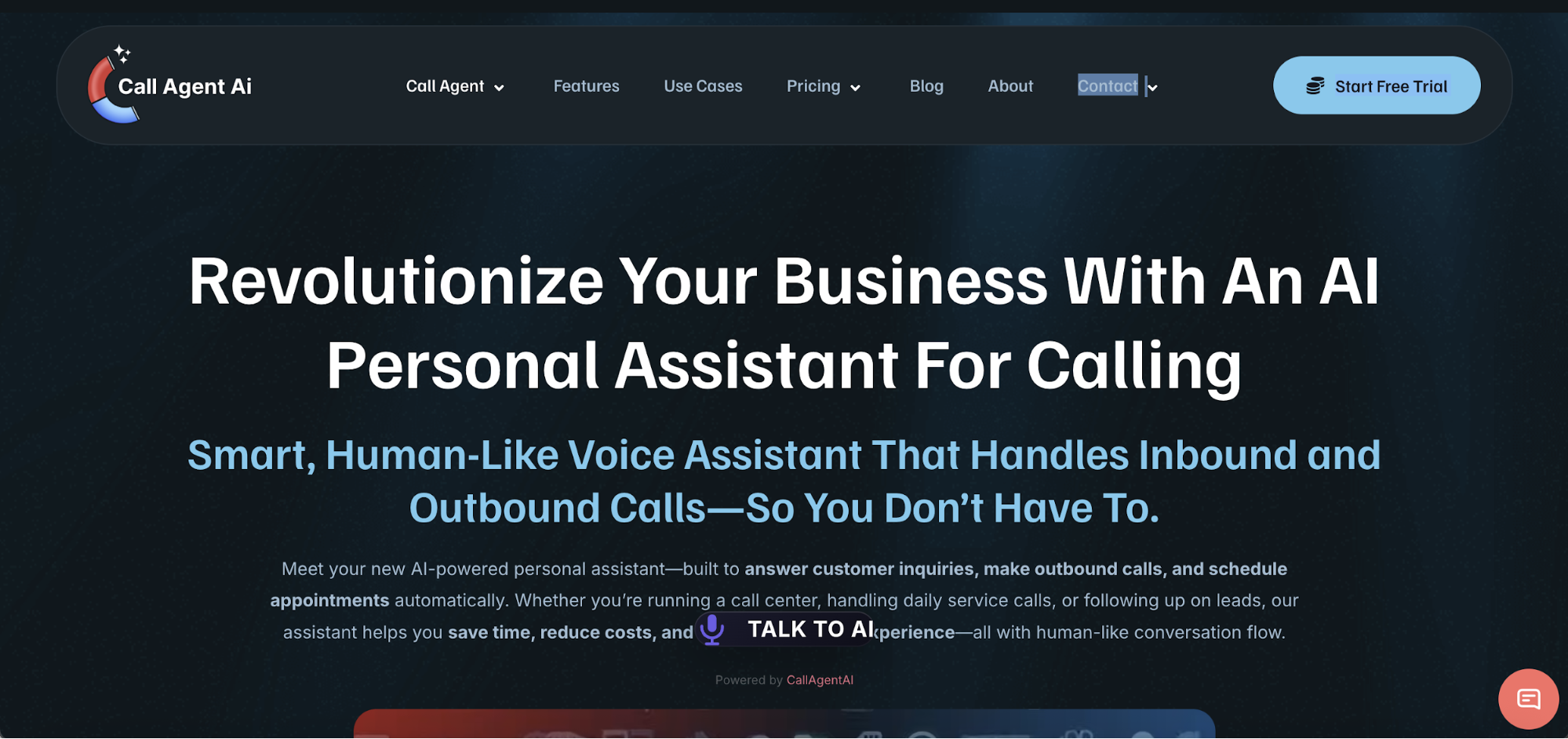
CallAgent AI positions itself as an automated calling solution for outbound sales and customer engagement.
This platform’s primary strength lies in handling high-volume call campaigns with voice AI, making it useful for appointment reminders, basic outreach, and scripted sales calls.
However, while CallAgent AI excels at scale, it operates within predefined scripts and structured interactions. As a result, it is more effective for repetitive use cases and less adaptive when conversations go off-script.
For sales teams running predictable outbound campaigns, CallAgent AI can reduce manual dialing and increase contact rates.
Key features:
- Automated inbound/outbound call handling
- Lead qualification based on custom criteria
- Appointment scheduling with calendar sync
- CRM integration (Salesforce, HubSpot, Pipedrive)
- Real-time call transcripts and notes
Best for:
Teams running structured outbound campaigns that prioritize volume over conversational depth.
4. Retell AI
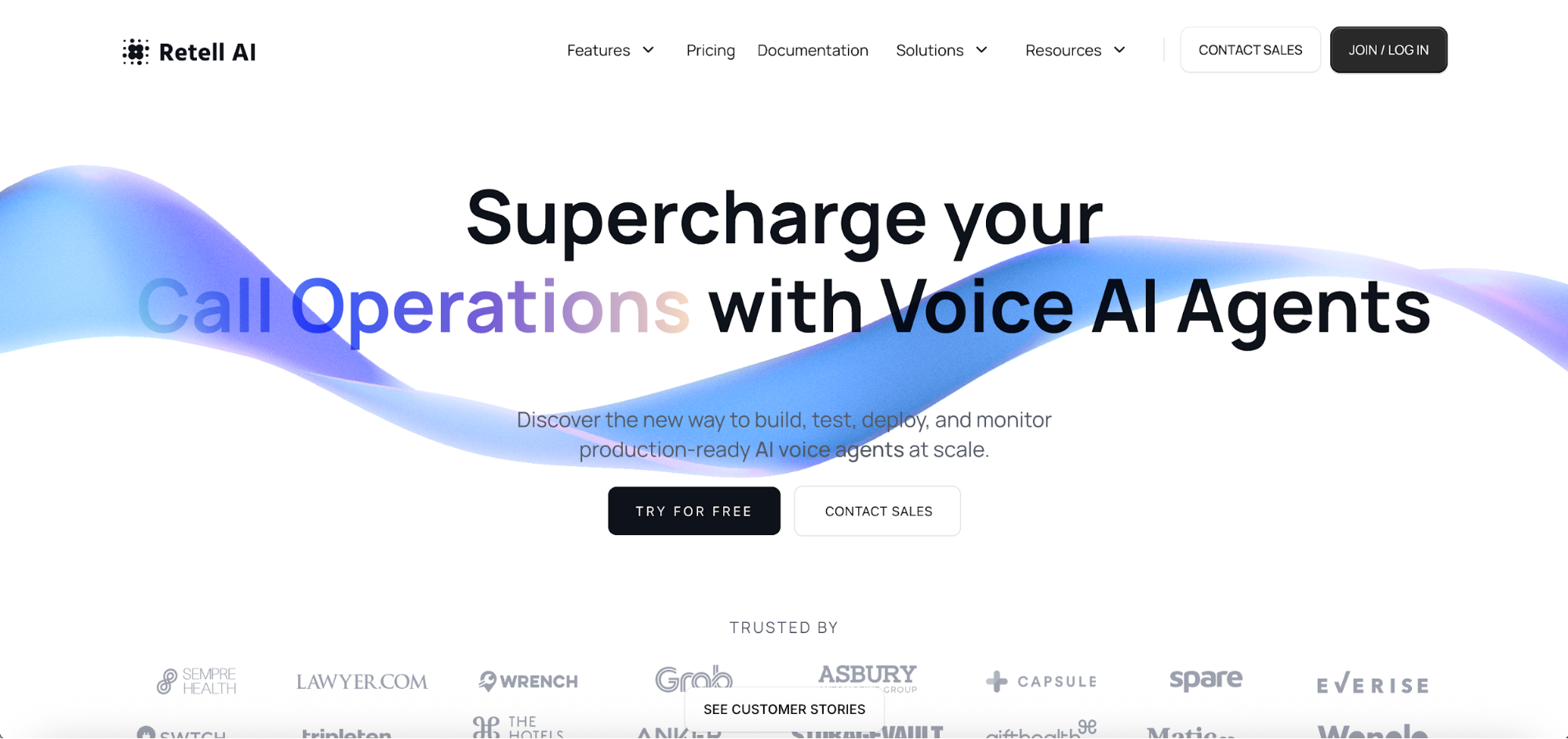
Next on our list is Retell AI.
This platform focuses on real-time voice AI infrastructure, giving developers and product teams the building blocks to create conversational agents.
It emphasizes low latency, natural speech, and real-time responsiveness, making it popular among teams building custom voice applications.
In sales contexts, Retell AI can power conversational AI agents for qualification or routing, but it’s not a turnkey sales assistant. Most implementations require engineering resources to design conversation logic, integrate systems, and manage deployment.
Retell AI shines as a foundational layer rather than a complete sales solution. This means that teams that already have technical resources can use it to build tailored experiences, but it’s not designed for plug-and-play revenue execution.
Key features:
- Real-time conversational voice infrastructure
- Low-latency speech handling
- Developer-first APIs
- Custom AI agent frameworks
- Hyper-realistic voice synthesis and cloning
- Multi-language conversation support
Best for:
Technical sales teams with in-house developers who need full control over AI conversation logic and custom integrations.
5. VoiceSpin

VoiceSpin is a cloud contact center platform with integrated AI-powered sales automation.
By combining traditional call center features with AI-driven call routing and automated summarization, VoiceSpin is built for sales teams that need comprehensive call center operations with AI enhancement.
Businesses get predictive dialing, AI-assisted call scoring, automated ticket creation, and performance analytics all in one platform.
However, you should note that VoiceSpin is more complex to deploy and is best suited for larger sales organizations that need a complete call center infrastructure with AI-powered efficiency improvements baked in.
Key features:
- Cloud contact center with AI call routing
- Real-time agent coaching and call analysis
- Predictive dialer and automated call distribution
- CRM integration and automated ticket creation
- Workforce management and analytics dashboard
Best for:
Sales contact centers that need a full-featured platform with AI-enhanced call routing and sales agent assistance.
6. Artisan
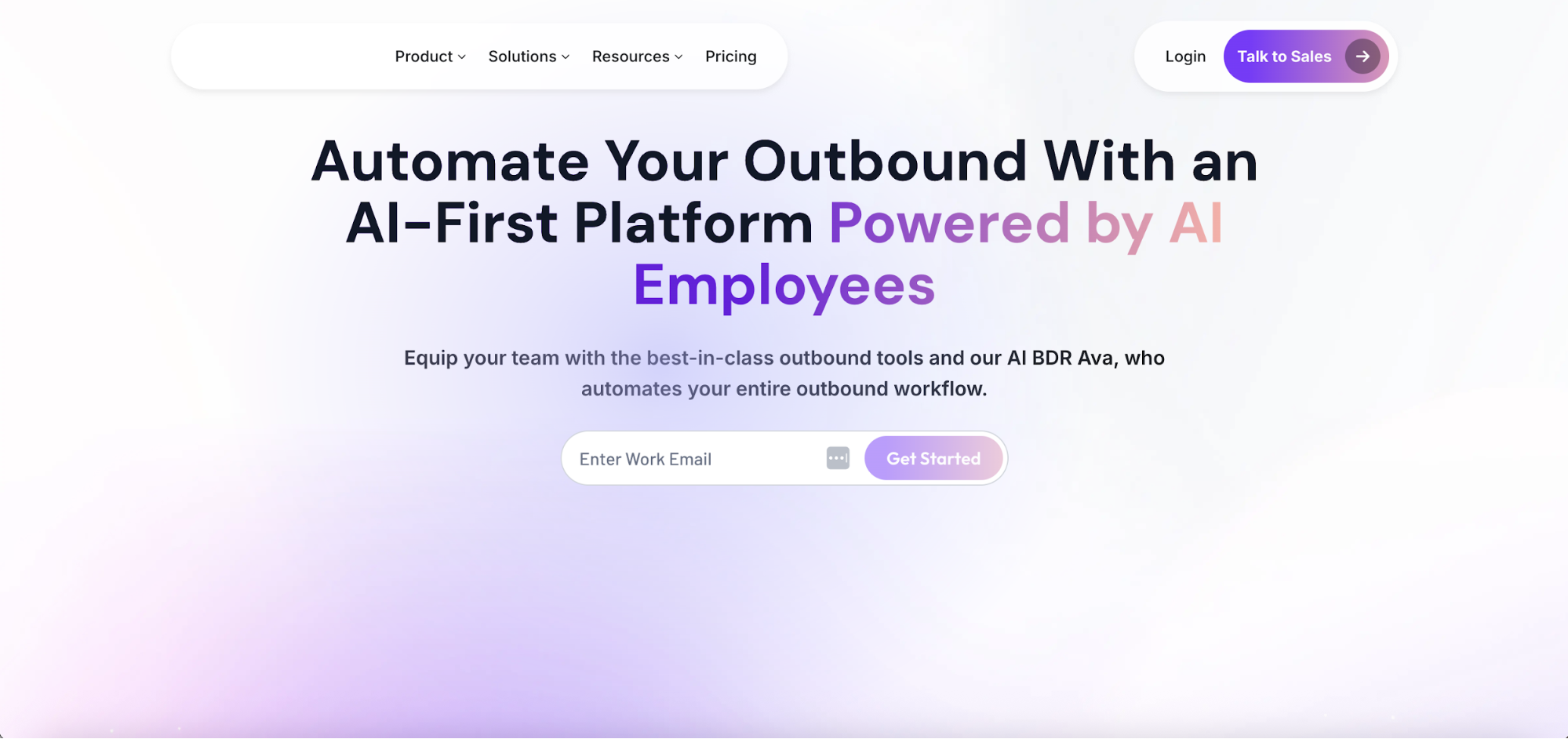
Next on the list is Artisan.
Artisan positions itself as an AI sales agent platform designed to handle outbound prospecting, lead research, and email outreach at scale.
The tool offers businesses agentic AI that can identify ideal prospects, enrich lead data, and craft personalized outreach sequences—automating the research-heavy work that bogs down SDR teams.
In addition to personalized messaging, Artisan’s strength is its ability to combine prospecting intelligence with automated outreach.
Note that Artisan is primarily email-focused and has limited voice calling capabilities compared to dedicated AI voice platforms like Pete & Gabi.
Key features:
- AI-powered lead research and data enrichment
- Automated personalized email sequences
- Lead scoring and prioritization
- CRM integration and pipeline tracking
- Multi-channel outreach (email, LinkedIn)
Best for:
SDR teams that need to automate prospecting, lead research, and email outreach at scale with minimal manual effort.
7. Drift AI
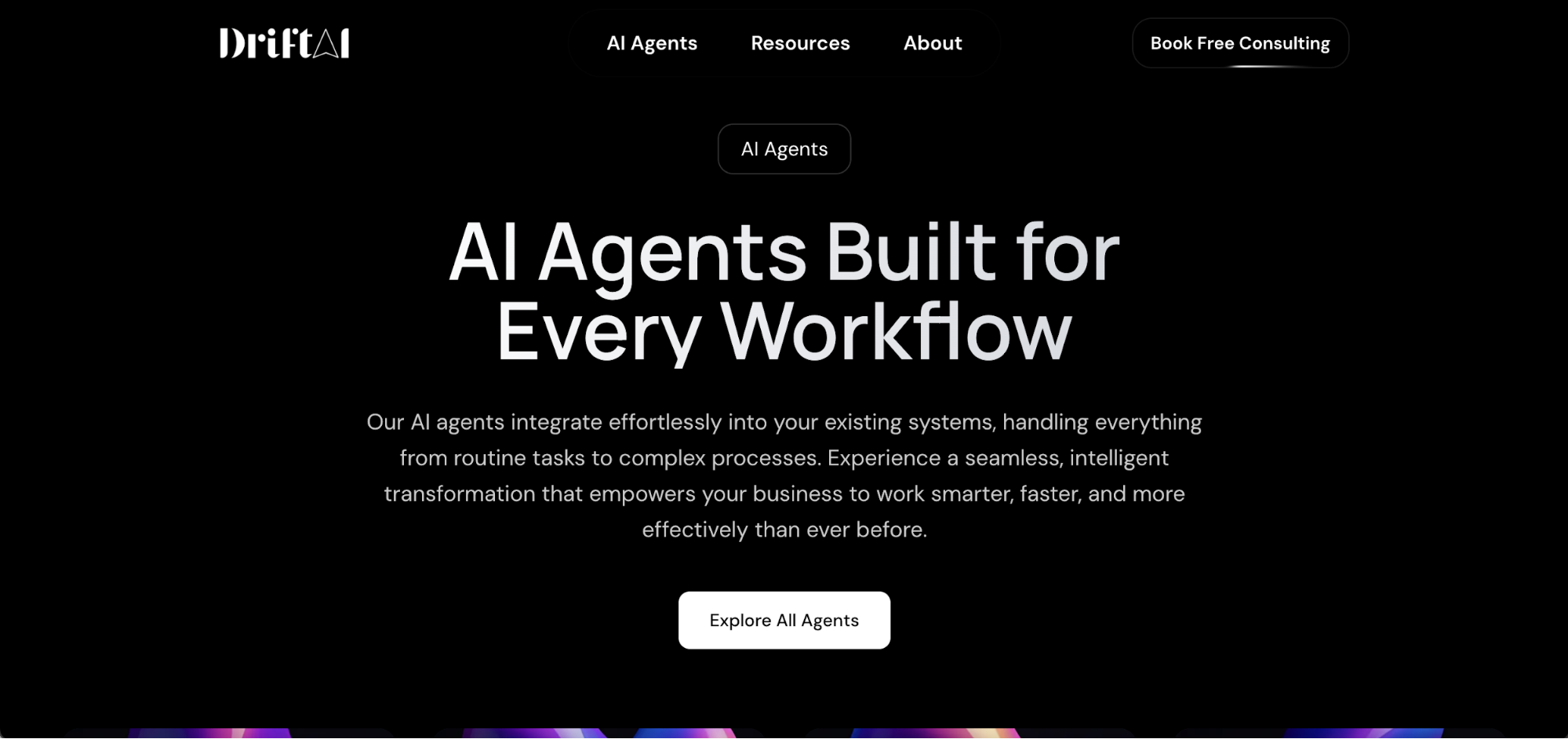
Drift AI brings conversational intelligence to the sales front line with a real-time, chat-centric approach complemented by smart voice interactions.
Instead of treating its AI agent as a siloed “assistant,” Drift embeds itself directly into your website, inbox workflows, and CRM—turning anonymous traffic into qualified conversations in seconds.
With natural language capabilities, Drift AI navigates complex buyer questions with ease, recommends next steps, and captures intent markers that often get lost in manual workflows.
For teams with heavy digital demand generation funnels, Drift ensures no lead goes unnoticed and every qualified conversation gets routed to the right rep instantly.
Key features:
- Real-time conversational engagement across web & email
- Dynamic routing to sales reps
- Intent scoring and qualification tags
- Customizable conversational playbooks
- Deep CRM integration
Best for:
Revenue teams that prioritize instant qualification and routing from digital channels.
8. Gong io
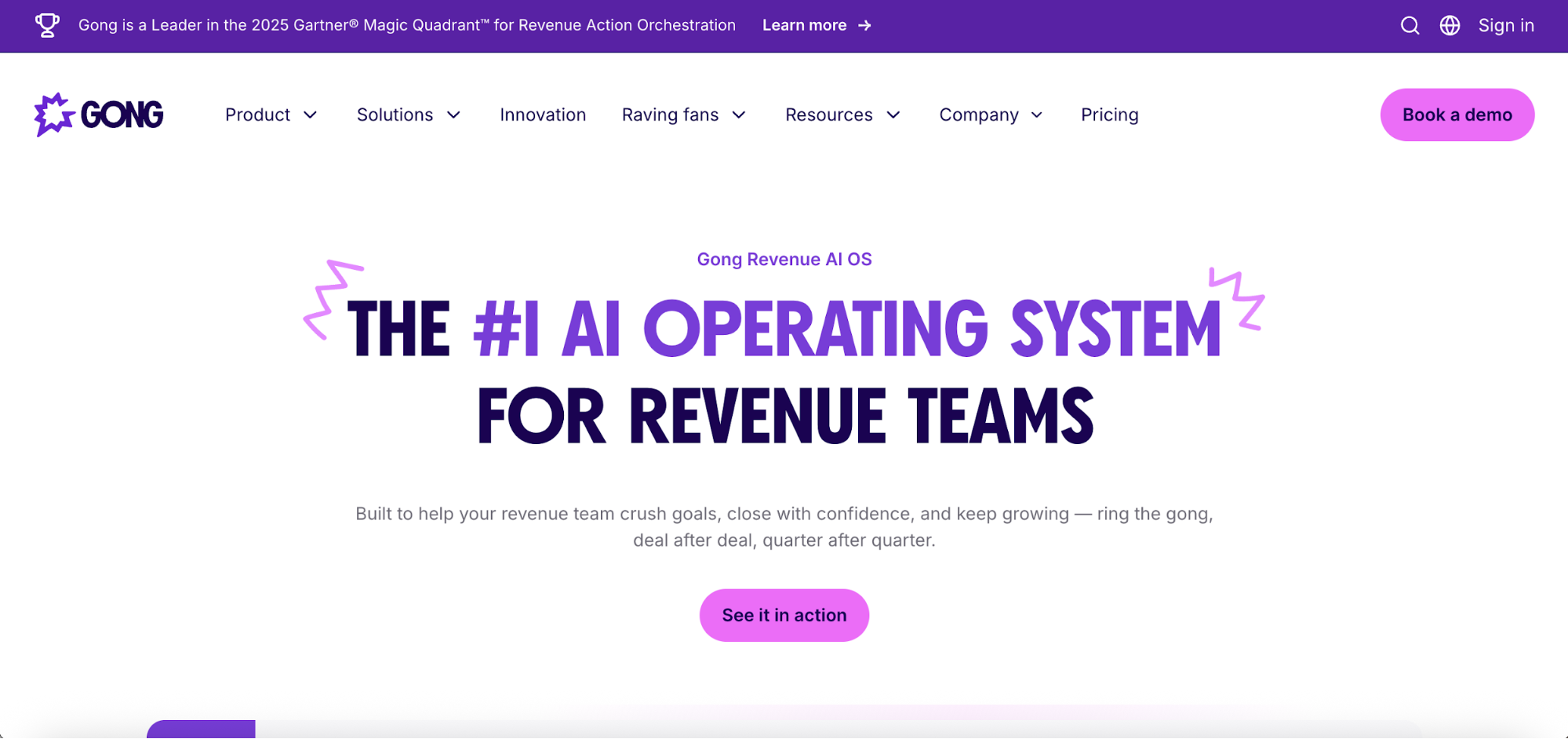
The next AI sales assistant that will help more businesses win in 2026 is Gong io.
This is a sales intelligence platform that goes beyond scheduling and qualification to improve the quality of your sales conversations.
Gong IO ingests call recordings, meeting transcripts, and CRM activity to analyze and identify patterns, providing sales teams with actionable insights that help them win more deals.
Gong’s assistant also automates follow-up actions, suggests next best steps, and assists reps with real-time recommendations during conversations.
While it’s not a pure “AI calling agent,” its value lies in refining performance and scaling selling expertise across the team.
Key features:
- AI-powered call recording and transcription
- Deal and pipeline risk analysis
- Competitive intelligence tracking
- Sales coaching and performance insights
- CRM integration with automatic activity capture
Best for:
Sales teams that want to improve win rates, coach reps effectively, and gain pipeline visibility through conversation intelligence.
9. Relevance AI
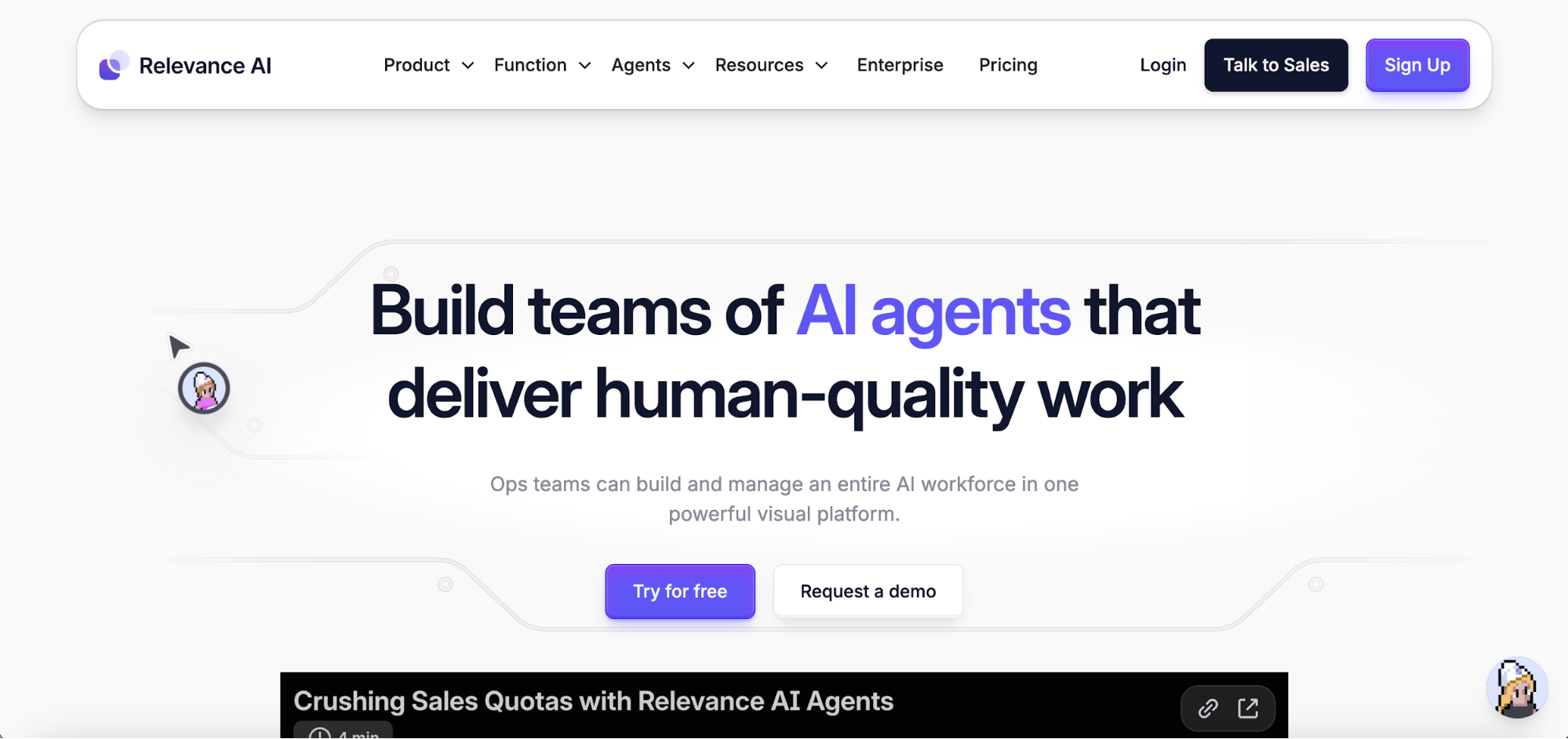
Relevance AI is yet another no-code platform designed to help sales teams build custom AI agents for data analysis, lead research, and workflow automation.
Unlike conversational AI focused on prospect engagement, Relevance AI handles behind-the-scenes tasks—enriching lead data, analyzing customer feedback, generating personalized emails, and automating research-heavy processes.
For sales teams, Relevance AI excels at operational efficiency.
Instead of focusing on live customer engagement or voice-based sales calls, the platform is more suited for sales ops teams that need to automate data-heavy tasks.
Key features:
- No-code AI agent builder for sales tasks
- Automated lead research and data enrichment
- Content generation at scale (emails, proposals)
- Data analysis and reporting automation
- Integration with CRMs and databases
Best for:
Sales ops teams that need to automate research, data enrichment, and content generation to free reps for selling.
10. Apollo io
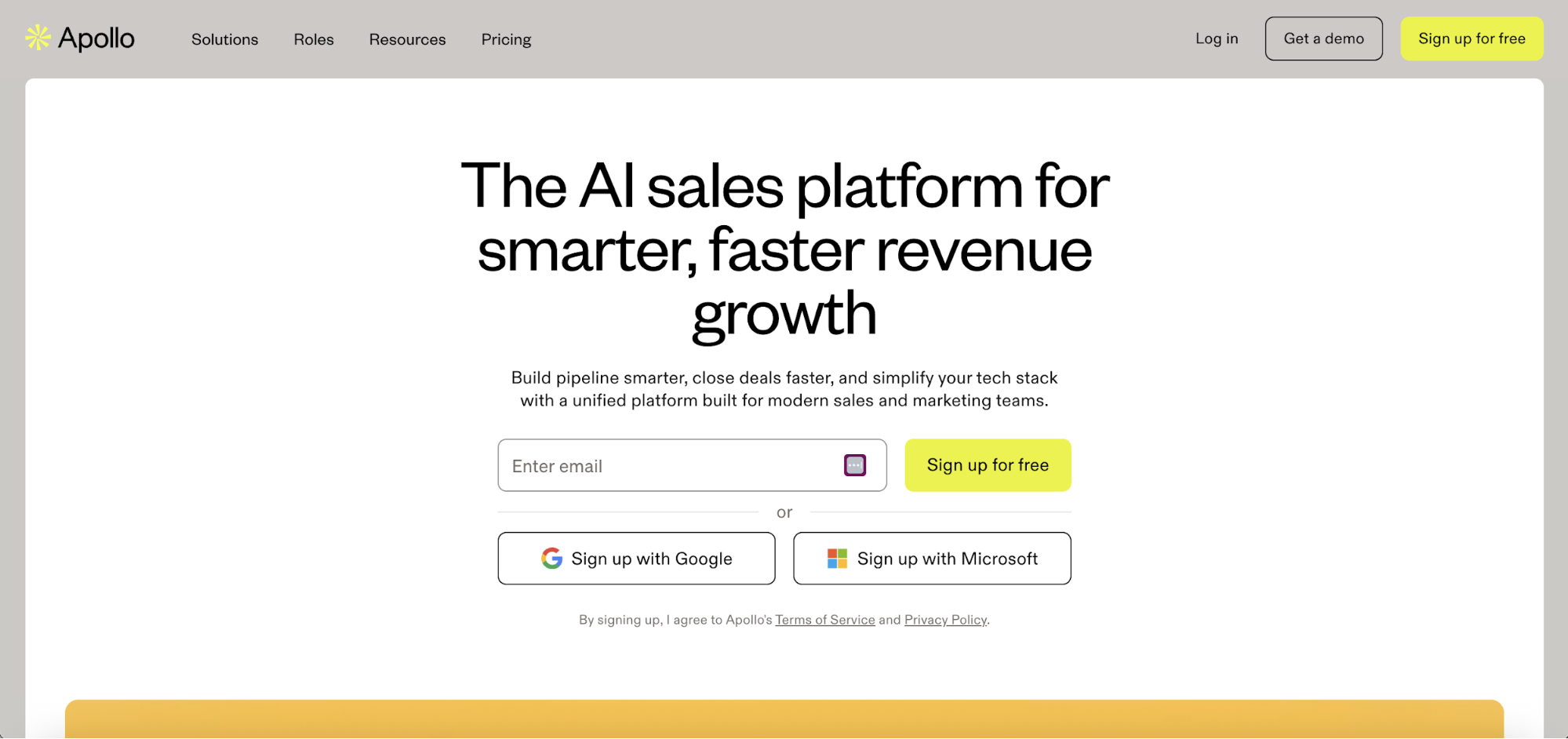
And finally, we have Apollo io.
Apollo is a sales engagement platform that combines prospecting, outreach, and pipeline management with AI-powered automation.
The platform provides access to a massive B2B database, automated email sequences, and AI-driven recommendations for targeting and messaging.
But what really makes Apollo compelling is its all-in-one approach.
Sales teams can find prospects, enrich data, launch multi-channel campaigns (email, phone, LinkedIn), and track results—all in one platform.
In addition, the AI agent suggests the best contacts to reach out to, optimal send times, and messaging that converts. This makes it ideal for outbound teams that need prospecting, data, and email automation in a single tool.
Key features:
- AI-powered prospecting and lead scoring
- Robust contact and intent database
- Performance analytics and optimization insights
- CRM syncing and enrichment
- Lead scoring and prioritization
Best for:
Outbound sales teams that need prospecting data, multi-channel outreach automation, and pipeline management in one platform.
Taking the Next Step
Modern sales teams don’t lose deals because they lack talent. They miss out on revenue opportunities because they lack the bandwidth to capture them all.
And that’s where sales AI agents come into play.
AI sales assistants don’t just automate tasks. They multiply outcomes.
And the 10 platforms in this list prove one thing: speed, consistency, and scale are how businesses will win revenue with sales AI agents in 2026.
Remember, investing in AI automation isn’t a decision to rush.
Don’t make an expensive mistake. Instead, work with experienced AI consultants to ensure you select a conversational AI solution and design workflow that actually cuts costs, increases productivity, and delivers measurable results for your business.
FAQs
What’s the difference between AI sales assistants and traditional sales automation?
Traditional sales automation (like email sequences or CRM workflows) follows rigid, pre-programmed rules. AI sales assistants adapt in real time—they hold conversations, assess intent, handle objections, and make decisions based on context.
Will AI sales assistants replace my sales team?
No. AI removes the grind—but doesn’t replace closers. Your sales team shouldn’t spend their day cold calling unqualified leads, chasing follow-ups, or scheduling meetings. AI sales agents handle that volume automatically.
Can AI sales tools integrate with existing CRMs?
Yes. Most modern platforms sync with CRMs to log calls, update lead status, and pass full context to your team automatically.
What happens when AI can’t handle a conversation or needs human expertise?
In addition to specific caller request, you control the rules for escalation, ensuring that issues that need human attention always get it. When this happens, the AI hands off to your sales team with full conversation context: what was discussed, what objections surfaced, and where the prospect stands.

Sandeep Kumar is the Founder & CEO of Aitude, a leading AI tools, research, and tutorial platform dedicated to empowering learners, researchers, and innovators. Under his leadership, Aitude has become a go-to resource for those seeking the latest in artificial intelligence, machine learning, computer vision, and development strategies.